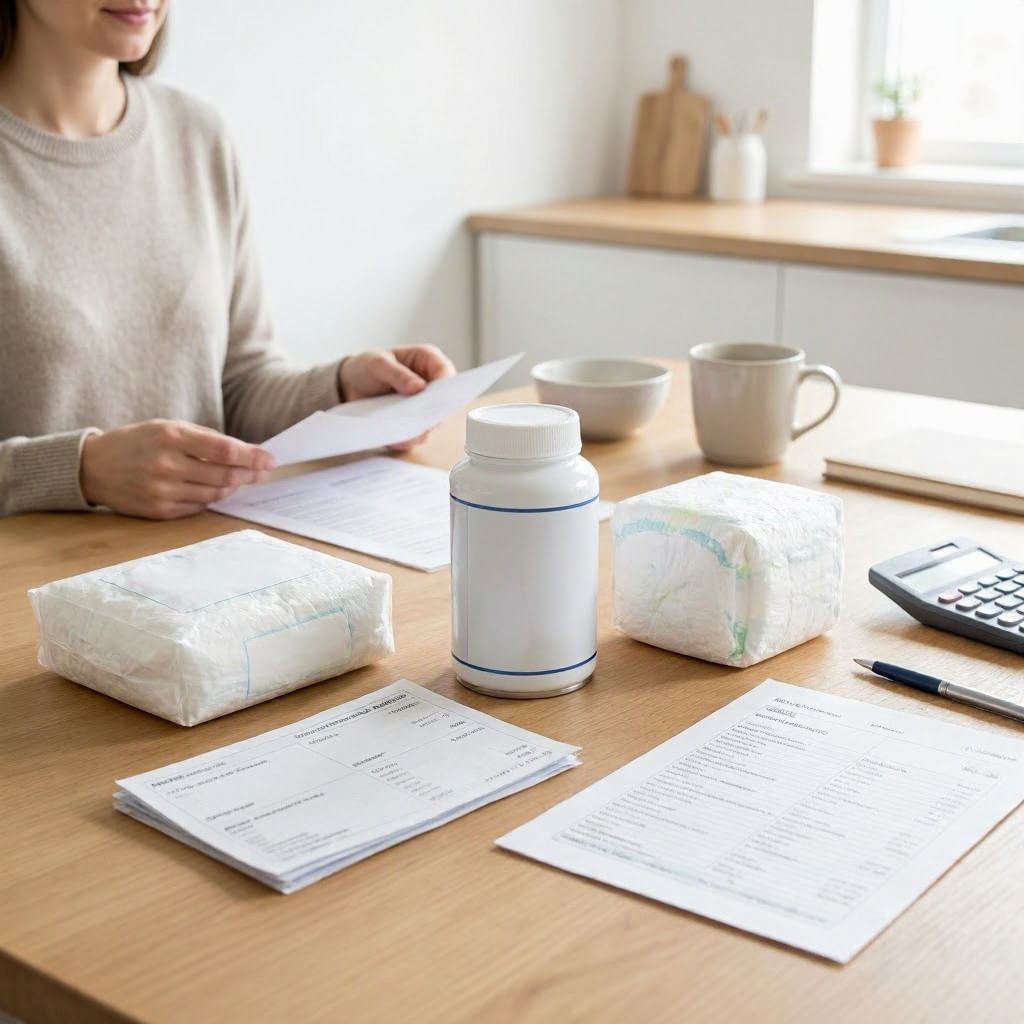
What to Do If You Cannot Afford Baby Formula or Diapers
Running short of formula or diapers is an immediate household need, not a reason to use an unsafe feeding substitute or pay a stranger for an unverified product. Contact the baby's health professional and local benefit providers the same day, especially when the next safe feeding is uncertain.
Programs, inventory, and eligibility differ by location. Use several verified routes at once while keeping the baby's medical needs central.
Contact the baby's health professional
Call the pediatrician, clinic, hospital, or nurse line and explain the baby's age, current formula, special medical needs, allergies, and how many safe feeds remain. Ask about safe alternatives, samples, social work, and urgent local resources.
Do not dilute formula, make homemade formula, substitute a product for another age group, or change a specialty formula without qualified medical guidance. Incorrect preparation can harm an infant.
For signs of dehydration, illness, or feeding difficulty, use the clinician's urgent-care instructions or emergency services.
Apply to WIC or contact the current office
The Special Supplemental Nutrition Program for Women, Infants, and Children serves eligible pregnant and postpartum people, infants, and young children. Contact the state or local WIC agency for eligibility and an appointment.
If already enrolled, ask the office how to handle an unavailable contracted formula, replacement benefits, or a medically required specialty product. Do not trade or sell WIC benefits.
Bring requested identity, residency, income, and household records, but ask the agency what it accepts before assuming missing paperwork prevents an initial call.
USDA's formula page explains what to expect. WIC state agencies provide formula to mothers who choose it, in food packages that depend on the baby's age and how the baby is fed. Standard formulas are milk-based or soy-based. Specialty formulas for babies with medical needs may not be sold in stores and may require a doctor's prescription. WIC is run locally, so the local agency listed for your state is the office that answers questions about your benefits.
Screen for SNAP and cash assistance
SNAP may help eligible households buy food, including infant formula, through approved retailers. TANF or state cash assistance may help with other essentials, depending on local rules.
Apply through an official state benefit portal or local agency. Ask about expedited screening when food resources are extremely low.
Benefits decisions take time and do not guarantee same-day supplies, so continue pursuing community help for the immediate need.
Ask whether benefits can be used for the exact product and package size needed before traveling to a store. Keep purchase receipts when the program requests them.
The SNAP state directory links to each state's application. A household with almost no income or cash can ask for expedited service; the test is in how to apply for SNAP when you need food help.
If the cost of childcare is what is straining the budget, see how to get help paying for childcare.
Search local diaper support
Dial 211 and ask specifically for diaper banks, family resource centers, maternal and child health programs, food pantries that stock formula, and emergency infant supplies. Local public health departments, community health centers, and social-service offices may know current inventory.
When contacting a pantry, state the diaper size, approximate weekly need, formula type, transportation limits, and required appointment times. Ask whether identification or proof of address is needed.
Churches and mutual-aid groups may help, but verify packaging and product safety before accepting formula.
Check formula packaging and source
Use sealed, labeled formula from a reputable retailer, health provider, benefit program, or established food-assistance organization. Check the expiration or use-by date, lot number, seal, container condition, and preparation label.
Review FDA recall information for the product and lot. Do not use a can that is open, bulging, rusted, severely dented, relabeled, or of uncertain origin.
Avoid online sellers demanding gift cards, wire transfers, cryptocurrency, or an excessive price during a shortage.
Stretching formula is the risk to avoid. CDC's preparation and storage guidance says not to change the amount of water shown on the container: too much water can leave a baby without enough nutrition, and too little can strain the kidneys and cause dehydration. USDA's page adds a second rule: do not make homemade formula.
| CDC storage rule | Time limit |
|---|---|
| Prepared formula at room temperature | Use within 2 hours of preparing it |
| Once a feeding has started | Finish within 1 hour, then throw away what is left in the bottle |
| Prepared formula not yet started | Refrigerate at once and use within 24 hours |
| Opened container of powder | Most should be used within 1 month; check the label |
| Any formula | Never use it after the "Use By" date |
Ask manufacturers and retailers about supported options
Contact the formula manufacturer through the number on the container or its independently opened website. Ask about coupons, assistance programs, medical-needs channels, and retailers with verified availability.
Check store pickup inventory before spending fuel, but call for a critical specialty product because online counts can lag. Ask a pharmacist about ordering when the formula is medically specialized.
Do not switch brands solely because a coupon exists; confirm suitability with the baby's clinician.
Reduce diaper use costs safely
Ask diaper banks about recurring distribution rather than only emergency packs. Check whether they offer wipes, diaper cream, cloth options, or larger sizes.
If considering cloth diapers, calculate laundry access, detergent, water, drying, daycare rules, and the baby's skin needs. A cloth program is useful only when the household can clean and change products safely.
Do not leave a baby in a soiled diaper longer to stretch supply. Ask a clinician about persistent rash or broken skin.
Organize a short request for help
When asking family, a caseworker, or a community group, be specific: “We need one sealed can of [exact formula and size] until the WIC appointment on [date]” or “We need size [size] diapers for three days.”
Avoid posting the baby's full name, date of birth, benefit card, address, or medical documents publicly. Arrange exchanges at a safe, verified location.
Track appointments, applications, supplies received, and the next shortage date so help can shift from emergency pickups to a stable schedule.
When transportation is the barrier, ask whether the program has delivery, transit vouchers, mobile distribution, or an authorized pickup person. Verify identity requirements before another person travels on your behalf.
Use authoritative directories
USDA explains infant formula support through WIC and other nutrition programs and provides a WIC state agency directory. For preparation and recall questions, use the current safety instructions printed on the product and guidance from the child’s clinician or public-health office.
Related guides: how to find free food pantries near you, how to find same-day help for food, rent and utilities and school meal assistance: what parents should know.
This is general resource information, not medical or feeding advice. A pediatric clinician should guide preparation, substitutions, specialty formula, allergies, growth, and urgent health concerns.
Sources:
- Infant formula, USDA
- WIC program contacts, USDA
- SNAP State Directory of Resources, USDA
- Infant formula preparation and storage, Centers for Disease Control and Prevention

Written by TheDigitalLife Editorial Team
Edited by R. K. Tiwari
Owner & Editor
R. K. Tiwari is the owner and editor of TheDigitalLife. He checks each guide against official U.S. sources before it is published.
About the editor and our editorial standards