
The True Benefits of Online Learning: Why Digital Education Works
The way we learn has changed forever. For years, the idea of getting a degree or certification online was seen by some as a backup plan. But after a major shift, digital education is now a primary choice for millions. It’s no longer a question of whether online learning works, but why it works so well for so many people.
This article helps you understand the true, practical benefits of choosing an online program. We’ll break down how it saves you money and time, how it builds skills employers actually want, and how it fits into a busy life. Whether you're thinking about a career change or simply want to learn something new, this guide will show you why the digital classroom might be your best path forward.
Yes, online learning is a respected and effective form of education. Major universities and employers now recognize its unique advantages, which include unmatched flexibility, significant cost savings, and the development of in-demand digital skills. The value of a credential comes from the accreditation of the institution and your learned abilities, not the classroom's physical location.
This article covers the core benefits that make online education a smart choice:
- The permanent shift to digital learning
- The unmatched flexibility of scheduling and location
- How it saves money beyond just tuition
- The career-ready skills you develop
- How the learning experience can be customized for you
- Overcoming the myth of isolation
- Answers to common questions and next steps
While online learning focuses on education rather than a physical service, here are the key practical takeaways from a student's perspective:
| Item | Detail |
|---|---|
| Typical cost | Lower overall due to savings on commute, housing, and materials. |
| Best first contact | The accredited institution's admissions or financial aid office. |
| Main safety warning | Ensure the program is properly accredited to protect your investment. |
| Warranty proof needed | Accreditation status and clear program completion terms. |
| When to call a pro | When seeking accredited degrees or certifications for career advancement. |
Who should I call first
- Who should I call first? Contact the admissions or student services office of the accredited online institution you are interested in.
- What will it cost? Expect savings on commuting, housing, and textbooks, but always verify tuition and fees with the institution.
- What proof is needed? You will need proof of the institution's accreditation and clear documentation of your enrollment and financial aid status.
- Which office should I check? Verify the school's accreditation with the appropriate U.S. Department of Education-recognized agency.
- What are the warning signs? Be wary of programs that are not accredited or that make guarantees about employment or easy degrees.
- When should I avoid DIY? "DIY" in this context means unaccredited or informal learning. For formal credentials that advance your career, choose an accredited program.
For prospective online students, here are the key contacts and considerations:
| Main customer question | Best first contact | Estimated cost range | Important URLs & Contacts |
|---|---|---|---|
| Is this program accredited and reputable? | The institution's official admissions office. | Varies; save on commute (5-10 hrs & fuel/wk), housing, and materials (OER vs. $300 textbooks). | Official university website; U.S. Department of Education accreditation database. |
| How do I apply for financial aid? | The institution's financial aid office. | Eligible for same federal/private aid as on-campus if accredited. | FAFSA website; employer tuition reimbursement HR department. |
| What tech support is available? | The school's IT help desk or LMS (Canvas/Blackboard) support. | Often included in tuition; requires basic computer and internet. | Platform tutorials provided by the program. |
| How are exams administered? | Course instructor or program coordinator. | May require proctoring software (webcam). | Program-specific guidelines. |
The financial advantage of online education is about more than just the price of tuition. It's about reducing the total cost of learning. The true cost includes hidden expenses like commuting, housing, and physical textbooks, all of which digital education significantly lowers.
Many programs use digital-first materials, which are cheaper and updated more frequently than printed books. In fast-moving fields like tech or healthcare, a cloud-based textbook that updates is more valuable than an outdated hardcover.
Perhaps the biggest savings is in opportunity cost. Traditional full-time programs often require you to stop working, losing salary and career momentum. Online learning allows you to "earn while you learn," applying new knowledge to your current job immediately.
Common Savings Areas:
- Commute: Students save an average of 5–10 hours per week and hundreds of dollars on fuel or transit.
- Housing: There is no need to pay premium rent in expensive "college towns."
- Materials: Free or low-cost Open Educational Resources (OER) often replace textbooks costing $300 or more.
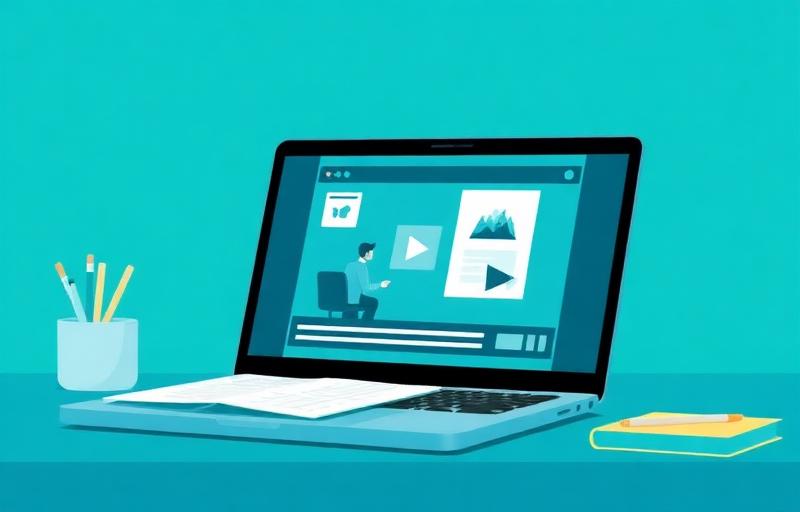
In the context of education, "DIY" means pursuing knowledge through unaccredited, informal channels like free web tutorials. "Pro service" means enrolling in an accredited online program for a formal credential.
DIY (Informal Learning) May Be Safe If:
- You are exploring a hobby or personal interest.
- You need to learn a specific, simple software tool quickly.
- You are supplementing formal education with additional practice.
Call a Licensed Professional (Accredited Program) If:
- You need a recognized degree or certificate for career advancement or a job requirement.
- You want eligibility for federal financial aid or employer tuition reimbursement.
- You value structured learning with instructor support and peer interaction.
Warranty Documents Needed: The accreditation status of the institution is your primary proof of quality and legitimacy.
Choosing an unaccredited program carries a high risk. It may not be recognized by employers or other schools, and your investment of time and money could be wasted.
Your first point of contact should always be the accredited educational institution itself. Start with their admissions office for program details and their financial aid office for funding questions. For technical issues with the online platform, contact the school's IT support or help desk for the specific Learning Management System (like Canvas or Blackboard) they use.
For online education, the primary "brands" are the academic institutions. Always use contact information from their official .edu websites. Key agencies for verification include the U.S. Department of Education, which maintains a database of recognized accrediting agencies.
Do Not Ignore: Always verify a school's accreditation through official channels before enrolling.
While not a product warranty, protecting your educational investment involves clear steps:
- Verify Before Enrollment: Confirm the institution's accreditation status through the U.S. Department of Education's database.
- Review Official Policies: Carefully read the school's catalog for details on refund schedules, drop/add deadlines, and satisfactory academic progress requirements.
- Document Everything: Keep records of all communications, enrollment agreements, payment receipts, and financial aid award letters.
- Contact the Correct Office: For refund questions, speak to the bursar or student accounts office. For disputes about grades or completion, follow the academic appeals process.
- Escalate if Needed: If issues with an accredited institution are unresolved, you may contact its accrediting agency as a last resort.
State-Specific or Local Checks
Accreditation is a national standard. However, some professional licenses (e.g., in nursing or teaching) may have state-specific requirements for coursework or clinical hours. Always check with your state's professional licensing board to ensure an online program meets local certification or licensure requirements for your chosen field.
Before committing to an online program, ask these questions:
- Is this institution accredited, and by which agency?
- Is this the exact same diploma as the on-campus program?
- What is the total cost, including all fees?
- What specific financial aid am I eligible for?
- What is the refund policy if I need to withdraw?
- What technical support is provided for the learning platform?
- How are exams and assessments conducted?
- What career support services are available to online students?
Be cautious and reconsider if you encounter: - An institutio
Be cautious and reconsider if you encounter:
- An institution that is not accredited by a recognized agency.
- Pressure to enroll immediately or guarantees of easy degrees or job placement.
- Unclear or missing information about total costs and fees.
- Diploma mills that offer degrees based solely on life experience for a flat fee.
- Programs that do not provide clear contact information for faculty or support staff.
Practical Step-by-Step Guidance
Follow these steps to choose a reputable online program:
- Define Your Goal: Decide if you need a full degree, a professional certificate, or just skill-building.
- Research Accreditation: Use the U.S. Department of Education's database to find properly accredited schools.
- Compare Programs: Look at curriculum, faculty qualifications, student support services, and graduate outcomes.
- Calculate Real Cost: Factor in tuition, fees, and your savings on commuting and materials.
- Contact Financial Aid: Speak to the school's aid office to understand your options for grants, loans, or employer reimbursement.
- Test Your Tech: Ensure your computer and internet connection meet the program's requirements.
- Reach Out: Contact admissions with your remaining questions to gauge their responsiveness and support.
Call a Pro If: Your career goal requires a state-licensed profession. Verify the program meets your state's board requirements.
Developing Digital Literacy and Soft Skills
An online classroom naturally trains you in the tools of the modern workplace. Using project management apps like Trello or Asana, participating in video conferences, and collaborating on cloud documents become second nature. These are baseline requirements for today's corporate world.
The most valuable byproduct is self-discipline. Without a professor physically present, you own the responsibility to meet deadlines. Employers see this as a major advantage.
When an interviewer sees an online degree earned while working, they see a candidate with:
- Advanced Time Management: The proven ability to juggle competing priorities.
- Digital Fluency: Comfort with remote collaboration technology.
- Proactive Communication: The habit of reaching out via email or chat instead of waiting to be called on.
Customizing the Learning Experience
Online learning lets you control the pace. In a lecture hall, if you miss a point, the speaker moves on. Online, you can pause, rewind, and re-watch until the concept clicks. This leads to deeper mastery.
Modern platforms use different media for different learning styles:
- Visual Learners: Benefit from infographics, video lectures, and diagrams.
- Auditory Learners: Thrive with podcast-style summaries and recorded discussions.
- Kinesthetic Learners: Engage with virtual labs, interactive coding, and simulations.
You can speed through familiar material and spend extra time on challenging topics. This tailored approach ensures no one is left behind by a fixed teaching pace.
Overcoming the "Isolation" Myth
A common critique is the lack of social interaction. In reality, digital communities can be more vibrant. In a physical room, you might only talk to those sitting near you. In a digital forum, you interact with the entire global cohort.
Average Cost: The biggest savings come from eliminating commute, housing, and expensive textbook costs.
Professional networking now happens on LinkedIn, Slack, and Discord. Online programs use these tools, helping you build a global network before graduation. These connections are often stronger because they're based on shared interests, not just proximity.
Frequently Asked Questions
Is an online degree as respected as a traditional one? Yes. Most employers focus on the accreditation of the institution and your skills, not the delivery method. Many prestigious universities now offer the exact same diploma for online and on-campus programs.
How do I stay motivated without a physical classroom? Set a consistent routine and create a dedicated workspace. Actively engage in discussion forums and peer groups. Treat your study time as an unbreakable appointment.
Do online courses require more work? They are not easier; they offer different challenges. They provide flexibility but often require more reading and independent research. You must be an active participant, not a passive listener.
What technical skills will I need to start? You should be comfortable with word processing, basic file management, and web navigation. Most programs provide tutorials for their specific Learning Management System (LMS).
Can I still get financial aid for online programs? Absolutely. If the institution is accredited, online students are typically eligible for the same federal and private financial aid as on-campus students. Many employers also offer tuition reimbursement for online courses.
How do exams work in a digital setting? Programs use a combination of timed quizzes, project-based assessments, and proctored exams. Proctoring software uses webcam monitoring or browser lockdowns to maintain academic integrity.
This article is based on analysis of current trends in digital education and institutional practices. Always re-check the most current information directly with the educational institutions you are considering. Accreditation status, tuition costs, financial aid packages, and specific program requirements can change. Verify all details with the official admissions and financial aid offices of your chosen school and with relevant state licensing boards for your profession.
Online learning is a powerful tool for personal and professional growth. It rewards discipline and opens doors for those who need flexibility. However, your success depends on due diligence.
Always verify an institution's accreditation, total costs, and support services before enrolling. For career paths requiring state licensure, double-check that your chosen program meets all local requirements with the relevant professional board. The digital classroom is ready for you-make sure you choose it wisely.

About the TDL Expert Panel
TDL Expert Panel · TheDigitalLife Editorial Team
TDL Expert Panel is the editorial team behind TheDigitalLife. The team researches, reviews, and creates practical guides to help everyday readers make better decisions about home repair costs, refunds, AI tools, digital safety, productivity, and useful online resources. Each guide is written to be clear, useful, and easy to understand.