
Soft Skills vs. Hard Skills: The Essential Balance for Career Success
A successful career isn't just about what you know from books or training. It's also about how you work with others and handle yourself day-to-day. To build a career that lasts, you need a balanced mix of hard skills and soft skills. Think of them as two pillars holding up your professional life.
One type of skill gets you the interview, while the other often helps you keep the job and earn promotions. In today's job market, where remote work and automation are common, employers look for people who can do the technical work and adapt to change and lead teams. Without technical ability, you can't perform tasks. Without interpersonal skills, you can't integrate into a team.
This guide will help you understand the essential balance between these two types of skills. You'll learn what they are, why you need both, and practical steps to strengthen your weaker areas.
There is no single "winner" between soft skills and hard skills. You need both for true career success. Hard skills are the technical abilities and knowledge you need to perform specific job tasks. Soft skills are the interpersonal attributes you need to work well with others and navigate your work environment. Hard skills get your foot in the door; soft skills help you thrive and move up once you're inside.
This article covers the following key areas: - What hard ski
This article covers the following key areas:
- What hard skills are, with clear examples
- What soft skills are, with clear examples
- The main differences between the two skill types
- Why you need a balanced approach to both
- How skills affect your personal brand and job security
- Practical tips for developing your skills
- Common questions about skills in the workplace
While this topic is about skill development rather than a product or service, here are the key takeaways presented in a structured format.
| Item | Detail |
|---|---|
| Core Concept | Professional success requires both hard (technical) skills and soft (interpersonal) skills. |
| Primary Goal | To develop a balanced "T-shaped" skill set: deep in one technical area, broad in collaborative ability. |
| Development Path | Hard skills via formal education/certifications. Soft skills via life experience, coaching, and feedback. |
| Market Demand | Soft skills are often harder for employers to find than technical hard skills. |
| Longevity | Hard skills can become obsolete; soft skills are evergreen and transferable across all roles. |
How to start improving: Identify your biggest skill "g
- How to start improving: Identify your biggest skill "gap" by reviewing past feedback.
- How to learn hard skills: Use micro-learning (15 minutes a day) on platforms like Coursera or LinkedIn Learning.
- How to learn soft skills: Seek coaching, self-reflection, and consistent feedback; consider shadowing a skilled colleague.
- What to list on a resume: Show soft skills through results-oriented bullet points, not just adjectives like "team player."
- When skills matter most: Soft skills become increasingly critical as you move into management and leadership roles.
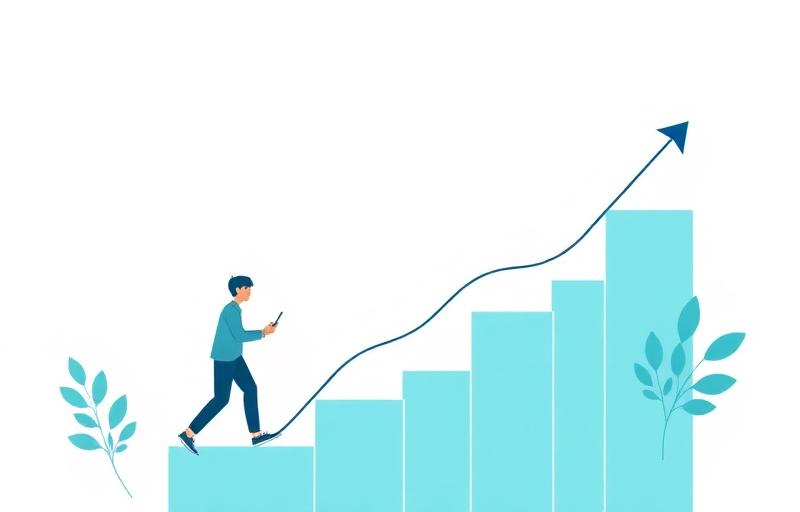
This table breaks down the key differences and considerations between hard and soft skills.
| Main Question | Hard Skills | Soft Skills |
|---|---|---|
| What are they? | Technical abilities for specific tasks (e.g., coding, accounting). | Interpersonal attributes for working with others (e.g., communication, adaptability). |
| How are they measured? | Quantifiable via tests, degrees, certifications. | Qualitative via feedback, observed behavior, and results. |
| How are they acquired? | Formal education, training programs, certifications. | Life experience, coaching, practice, and self-reflection. |
| Are they job-specific? | Yes, they are specific to a job or industry. | No, they are transferable across all roles and industries. |
| What is their "shelf life"? | Can become obsolete as technology changes. | Are evergreen; always in demand. |
| Role in hiring | Gets you past automated resume filters (ATS). | Convinces the hiring manager you're a good fit for the team culture. |
Understanding Hard Skills
Hard skills are the technical abilities and knowledge you need to perform specific tasks. They are the measurable, quantifiable talents on your resume. You usually acquire them through formal education, certifications, or on-the-job training. If you can take a test to prove you know it, it's likely a hard skill.
These skills are objective. A line of computer code functions the same way at any company. They are often the prerequisite for getting through an automated resume screening system. Think of them as the fundamental "entry ticket" to any profession.
Examples of Hard Skills
Technical and Digital Skills: Modern work relies on specialized software. This includes cloud computing platforms like AWS or Azure, cybersecurity, and data tools like Tableau. For creative roles, it means mastering software like the Adobe Creative Suite or 3D modeling programs.
Data and Finance Skills: This category includes interpreting a balance sheet, running statistical analysis, forensic accounting, and advanced Excel modeling. Literacy in AI prompting and interacting with large language models (LLMs) is also becoming a core hard skill.
Specialized Labor Skills: Mechanical engineering, carpentry, surgical procedures, and operating heavy machinery are all high-level hard skills. These require rigorous training and often legal certifications for safety. You can't perform surgery with just good people skills; you need the hard, technical training.
Key Difference: Hard skills are the what of the job-the specific tasks you are hired to perform.
Understanding Soft Skills
Soft skills are the interpersonal attributes you need to navigate your environment and work well with others. They are not specific to any one job. They are often called "people skills" or "emotional intelligence." While harder to quantify, they are often the most valuable assets a long-term employee can have.
These skills are subjective and depend on the situation. You develop them through life experience and social interaction, not textbooks. Because they are transferable, you can take great communication skills from a retail job and apply them to a corporate management role. They determine how you manage time, handle stress, and influence others.
Examples of Soft Skills
Communication and Empathy: This is about active listening and reading non-verbal cues, not just talking. Empathy allows you to understand a colleague's perspective. This is vital for resolving workplace conflicts and is especially critical in remote work, where text can be easily misinterpreted.
Critical Thinking and Adaptability: The ability to pivot and solve problems under pressure is essential. Employers value people who see a problem and offer solutions. Curiosity-the drive to keep learning-is perhaps the most underrated soft skill today.
Leadership and Influence: Leadership isn't just for managers. It involves motivating others, delegating tasks, and taking ownership. Mentoring junior staff and building a collaborative environment are hallmark skills of top performers. It's about building "social capital"-the trust that makes projects move faster.
Key Difference: Soft skills are the how of the job-the way you perform your tasks and interact with your team.
The Essential Balance: Why You Need Both
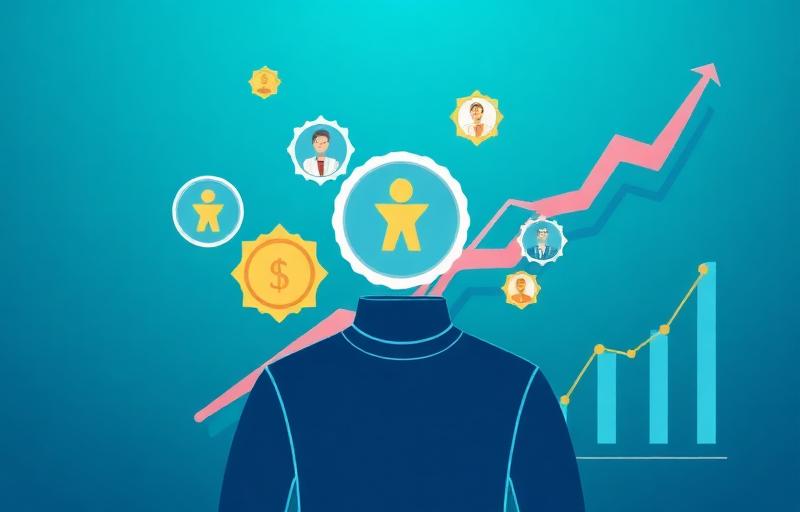
You cannot succeed with just one type of skill. A brilliant programmer who can't accept feedback becomes a liability who destroys team morale. Similarly, a charismatic communicator who lacks the technical skills to deliver won't last in a high-output environment. Total professional competence is the intersection of both worlds.
To develop balance, start by identifying your "gap." Are you highly technical but struggle with presentations? Look for a public speaking workshop. Are you great with people but behind on industry software? Dedicate a few hours each week to an online course. High-performers often follow the "T-shaped" skill model: deep expertise in one area (the vertical bar) with broad collaborative ability across disciplines (the horizontal bar).
Practical Tips for Skill Balancing
- Audit Your Feedback: Review past performance reviews. If people praise your accuracy but say you're hard to reach, that's a soft skill gap.
- Micro-Learning for Tech: Spend 15 minutes a day on sites like Coursera or LinkedIn Learning to keep hard skills sharp without burnout.
- Shadowing for Soft Skills: Ask to shadow a respected manager during a difficult negotiation or planning session to learn by observation.
- The 'Pre-Game' Strategy: Before a technical meeting, spend 5 minutes thinking about the people involved and their goals. This shifts your mindset from pure output to interpersonal impact.
Skills and Your Personal Brand
Your personal brand is the sum of your hard and soft skills. People should see you as "The Expert in [Hard Skill]" who is also "Great to work with because of [Soft Skill]." This combination creates job security. In a recession, companies keep people who are both proficient and positive for company culture.
In the era of Artificial Intelligence, this balance is more crucial than ever. AI can automate hard skills like writing basic code or analyzing data. However, AI cannot navigate a sensitive office conflict, inspire a discouraged team, or understand cultural nuances. This makes your soft skills-the "human" skills-a vital hedge against automation.
Frequently Asked Questions
Which skills are more important for a resume? Both are critical for different reasons. Hard skills help you pass through automated resume filters. Soft skills are what convince a hiring manager you're the right fit for the team during the interview. A resume without hard skills won't be seen; an interview without soft skills won't get an offer.
Can you actually teach someone soft skills? Yes, but the method is different. Hard skills are taught through lectures and practice. Soft skills are improved through coaching, self-reflection, and consistent feedback. It requires self-awareness to change ingrained habits like interrupting or reacting defensively.
Which type of skill is harder to find in candidates? Many employers report that soft skills are harder to find. Companies are often willing to hire someone with a slight technical gap if they display exceptional leadership, work ethic, and communication. A "coachable" candidate is often more valuable than a "rigid" expert.
How do I list soft skills on a resume without sounding cliché? Avoid just listing words like "Team Player." Instead, show them through bullet points. Use phrases like "Coordinated a cross-functional team of 10 to deliver..." or "Resolved client disputes while maintaining a 95% satisfaction rate." Results prove soft skills better than adjectives.
Are soft skills more important as you move up the career ladder? Absolutely. Entry-level roles hire you mostly for hard skills. As you move into management, your work becomes about 80% soft skills (negotiating, mentoring, strategizing) and only 20% technical execution. The higher you go, the more you work through people rather than tools.
How has remote work changed the balance of these skills? Remote work has heightened the need for written communication and self-discipline (soft skills). It also requires proficiency in digital collaboration tools like Slack or Zoom (hard skills). You must demonstrate "digital empathy" and stay productive without direct oversight.
In the debate of soft skills vs. hard skills, there is no winner-only a partnership. Hard skills are your tools; soft skills are the wisdom to use them effectively. A builder needs both a hammer and the knowledge of where to strike.
By cultivating deep technical expertise and strong interpersonal intelligence, you build a career that is both resilient and rewarding. Focus on continuous learning in both areas to stay competitive. Start today by picking one technical tool to master and one social habit to improve. Your future self will thank you for the balance.
Remember: Always verify specific certification requirements, training program details, and the most current in-demand skills for your industry with professional associations, accredited educational providers, and career coaches.

About the TDL Expert Panel
TDL Expert Panel · TheDigitalLife Editorial Team
TDL Expert Panel is the editorial team behind TheDigitalLife. The team researches, reviews, and creates practical guides to help everyday readers make better decisions about home repair costs, refunds, AI tools, digital safety, productivity, and useful online resources. Each guide is written to be clear, useful, and easy to understand.