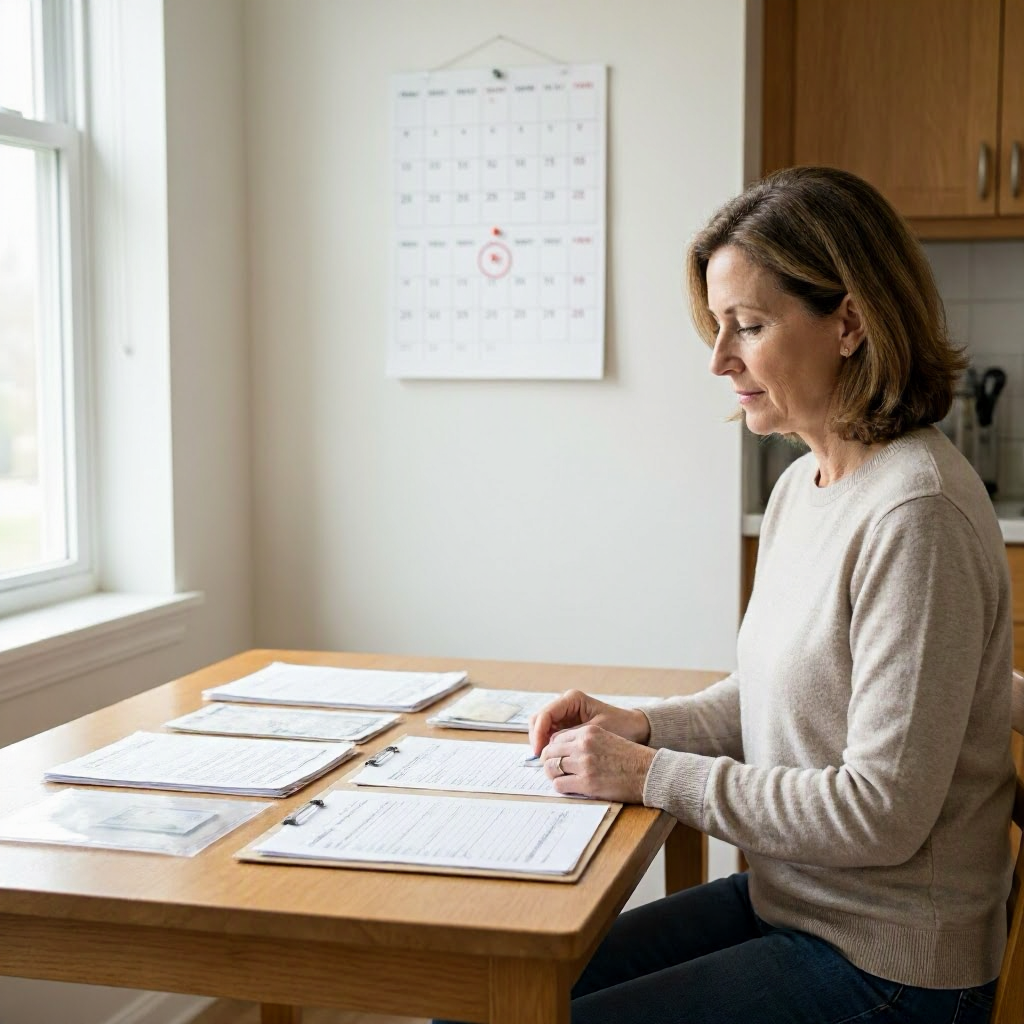
Section 8 Housing Vouchers income limits, documents, and deadlines
Understanding Section 8 Housing Vouchers
Section 8 Housing Choice Vouchers help low-income families, seniors, and people with disabilities afford safe rental housing in the private market. The U.S. Department of Housing and Urban Development (HUD) funds the program, but local public housing agencies (PHAs) run it. Families typically pay about 30% of their adjusted monthly income toward rent, with the voucher covering the rest up to a payment standard set by the PHA.
This program targets those who might otherwise face housing instability. It applies to renters in apartments, townhomes, or single-family homes that pass HUD's health and safety inspections. Eligibility often hinges on household income being at or below 50% of the area median income (AMI), though some PHAs prioritize those at 30% or less.
Rules can vary by location because PHAs set specifics based on HUD guidelines and local needs. Always check with your local PHA for the most current details, as funding and demand affect availability.
Income Limits for Section 8 Eligibility
Income limits for Section 8 are tied to HUD's calculation of AMI for your metropolitan area or county. Households usually need income at or below 50% of AMI to qualify, with priority for extremely low-income groups (under 30% of AMI). These limits adjust yearly and differ by household size, from one person to eight or more.
For example, a single person in a high-cost city might face a different limit than in a rural area. PHAs also consider adjusted gross income, subtracting deductions like child care costs, medical expenses, or disability-related costs. Assets count too, if they generate income over certain thresholds.
Do not rely on old figures, as HUD publishes new income limits each year, often in spring. Visit HUD's income limits page or your PHA's website to search by location. Tools on Benefits.gov or HUD User allow you to enter your ZIP code for estimates, but confirm with the agency handling applications.
PHAs may have preferences, like for homeless families, veterans, or those with domestic violence histories. Immigration status matters: U.S. citizens and certain eligible non-citizens can qualify, but mixed-status households face proration.
Factors That Affect Your Income Calculation
When applying, PHAs review your total household income, including wages, Social Security, child support, unemployment benefits, and pensions. They ask for proof from all adult members.
Certain income is excluded or adjusted, such as one-time gifts, student loans, or foster care payments. Report changes promptly, as earning more could affect your voucher amount or eligibility during recertification.
If you're self-employed, expect to provide tax returns or profit/loss statements. PHAs verify through employers, the IRS, or state wage databases. Keep records organized to speed up reviews.
Common Documents for Section 8 Applications
Gathering documents early makes the process smoother. PHAs often require originals or certified copies, plus uploads via online portals. Scan and save copies of everything before submitting.
Here's a checklist of frequently requested items:
- Photo identification: Driver's license, state ID, or passport for all adults.
- Social Security cards or numbers: For every household member, or proof if ineligible for SSN.
- Proof of income: Recent pay stubs (last 30-60 days), W-2s, tax returns (last two years), award letters for SSI, SSDI, TANF, or unemployment.
- Proof of assets: Bank statements, investment accounts, or property deeds showing balances.
- Residency proof: Utility bills, lease agreements, or mail with your name and address.
- Household composition: Birth certificates, custody papers, or marriage licenses for family relationships.
- Disability documentation: Doctor's letters or SSA award notices, if claiming preferences.
- Citizenship/immigration status: Birth certificates, naturalization papers, green cards, or INS documents for eligible non-citizens.
| Document Type | Why It's Often Needed | Tips for Preparation |
|---|---|---|
| Photo ID | Verify identity | Use current, unexpired government-issued ID |
| Income Proof | Calculate eligibility and rent portion | Get employer verification if pay stubs vary |
| SSN Cards | Match with federal records | Apply for cards via SSA if missing |
| Residency Proof | Confirm local ties | Use bills from the last 3 months |
PHAs may request more, like criminal background consents or landlord references. If a document is missing, ask your PHA about alternatives or extensions. Never send originals by mail unless instructed; use secure portals.
Application Deadlines and Waiting Lists
Section 8 applications depend on local waiting lists, which open and close based on funding and demand. Many lists stay closed for years, reopening briefly via lotteries or first-come, first-served.
Deadlines vary: some PHAs announce openings months ahead on websites or public notices. Check your PHA's site weekly, as lotteries fill fast. Rural areas might have shorter waits than cities like New York or Los Angeles.
Once on the list, expect waits of months to several years. Track your position if provided. Deadlines also apply to submitting docs post-application, often within 10-30 days of requests.
Funding cliffs can close lists suddenly. HUD allocates vouchers annually, so monitor federal budget news indirectly through PHAs.
How to Find and Meet Deadlines in Your Area
Start by locating your PHA via HUD's directory at hud.gov. Enter your city or county. Sign up for email alerts if they offer them.
Posted notices detail deadlines, like "Applications accepted January 1-15." Missing them means waiting for the next cycle. For emergencies, some PHAs have special vouchers for homeless or disaster victims with shorter timelines.
If a list reopens, prepare docs in advance. Apply online where possible to timestamp your submission.
Step-by-Step Guide to Applying
- Verify your PHA: Use HUD's PHA locator or call 211 for local contacts.
- Check open status: Review the website or call during business hours.
- Gather documents: Use the checklist above; organize by household member.
- Submit pre-application: Often online or by mail; note the confirmation number.
- Wait for contact: Respond within deadlines to full-application invites.
- Complete full application: Upload or mail docs; attend interviews if required.
- Pass screening: Background, credit, and landlord checks.
- Get voucher: Search for units, sign lease with landlord approval.
Keep a folder with timestamps, emails, and notes from calls. Follow up every 30 days if no updates.
Special Considerations for Income Limits During Application
PHAs recalculate income at key stages: initial eligibility, move-in, and annually. Anticipate changes like job loss or raises.
If over-income at move-in, you might lose the voucher. Under-income households get higher subsidies.
Recertifications and Reporting Changes
Voucher holders face annual or interim recertifications. Report changes in income, household size, or address within 10 days.
Failure to recertify can terminate aid. Submit proofs promptly via portals or mail.
| Common Change | Reporting Deadline | What to Submit |
|---|---|---|
| New Job | Within 10 days | Pay stubs, offer letter |
| Household Addition | Within 10 days | Birth/marriage docs |
| Income Drop | Within 10 days | Termination letter, new proofs |
PHAs send reminders; read notices carefully.
Handling Delays, Denials, and Appeals
Delays happen due to backlogs or missing docs. Call your caseworker with your case number.
Denials cite reasons like excess income or failed screenings. Notices explain appeal rights, usually within 10-15 days.
For appeals:
- Request a hearing in writing.
- Gather supporting docs.
- Attend and present evidence.
- Get free legal aid via local organizations.
Contact 211 or Legal Aid Society for help. Track all submissions.
Overpayments require repayment plans; negotiate if hardship exists.
Avoiding Scams Targeting Section 8 Applicants
Scammers pose as PHA reps, demanding fees for list spots or "fast-tracking." Section 8 is free to apply.
Watch for:
- Texts/emails with links or SSN requests.
- "Guaranteed approval" sites charging $50+.
- Fake vouchers or gift card demands.
Verify via official HUD/PHA channels only. Report to FTC at reportfraud.ftc.gov.
Where to Verify Official Section 8 Information
- HUD.gov: Program overviews, PHA locator, income limits.
- Benefits.gov: Search "Section 8" for your state.
- Local PHA websites: Deadlines, docs lists.
- USA.gov/benefits: General housing aid.
- 211.org: Local referrals.
Call PHAs directly; avoid Google ads mimicking officials. Update info yearly, as rules shift with budgets.
Preparing for Success: Checklists and Tips
Pre-Application Checklist:
- Confirm income below local limits via HUD tool.
- Collect all docs.
- Note family preferences (e.g., disabled, veteran).
- Bookmark PHA site.
Recordkeeping Tips:
- Screenshot portals.
- Log calls: date, name, summary.
- Store in cloud or binder.
U.S. families have used Section 8 to stabilize after job loss, medical issues, or evictions. Patience pays off, but proactive steps help.
For personalized advice, speak to your PHA caseworker or a HUD-approved counselor. This guide equips you with basics; official sources provide your area's rules.

About the TDL Expert Panel
TDL Expert Panel · TheDigitalLife Editorial Team
TDL Expert Panel is the editorial team behind TheDigitalLife. The team researches, reviews, and creates practical guides to help everyday readers make better decisions about home repair costs, refunds, AI tools, digital safety, productivity, and useful online resources. Each guide is written to be clear, useful, and easy to understand.