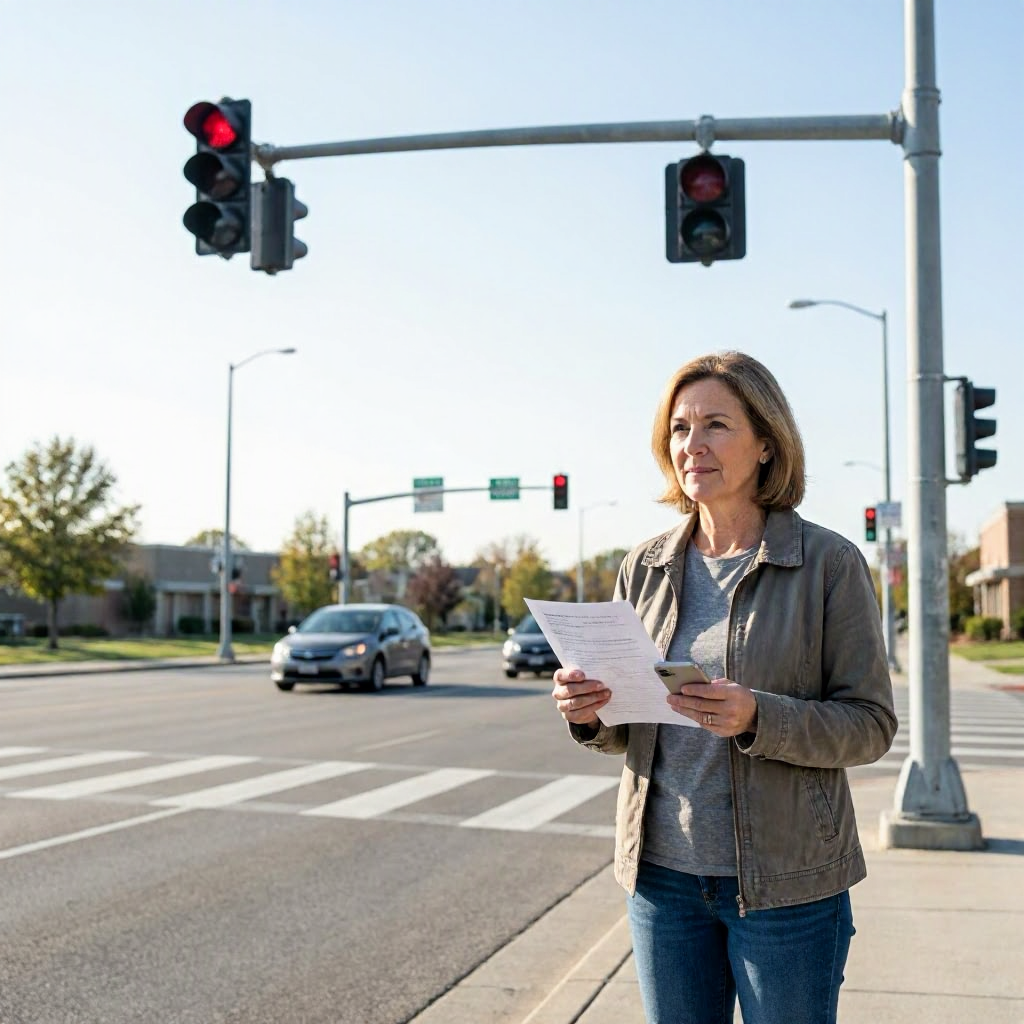
Red light camera ticket: do you have to pay?
Receiving a red light camera ticket by mail can be surprising. These tickets come from automated cameras at intersections that photograph vehicles entering on a red light. The notice typically arrives weeks later addressed to the vehicle owner. Many wonder: do you have to pay? This guide explains the process for US drivers, common challenges, and key considerations without specific state advice.
How Do Red Light Cameras Work?
Red light cameras combine induction loops in the road, motion detectors, and high-speed cameras. When a vehicle crosses the stop line after the light turns red, sensors trigger photos. One captures the rear license plate, another the driver. A third may show the light. Operators review images for validity before issuing a citation by mail.
These systems aim to reduce accidents by deterring red light running. Tickets usually classify as civil infractions, meaning civil penalties rather than criminal charges.
Are Red Light Cameras Legal Across the US?
Red light camera use varies by state and city. Some locations have banned them due to accuracy concerns, revenue motives, or legal challenges. Others actively deploy them. Federal courts have addressed issues like due process and right to confront accusers, with mixed rulings.
Always verify your local jurisdiction's rules. Some states require specific signage, calibration records, or live witnesses.
Do You Have to Pay a Red Light Camera Ticket?
Not automatically. Key points:
- Owner vs. Driver: Tickets go to the registered owner, who may not have been driving. Family members, borrowers, or valets could be responsible.
- Presumption of Guilt: Many places presume the owner drove, but you can rebut this.
- Time Limits: Respond by the deadline, or it may become a default judgment.
Paying admits fault for convenience. Ignoring risks escalation.
Common Grounds to Contest a Red Light Camera Ticket
Successful challenges often rely on these arguments:
- Blurry or unclear photos failing to identify the driver or vehicle.
- Timing errors, like the light not fully red or premature trigger.
- Missing or inadequate warning signs at the intersection.
- Procedural flaws, such as improper notice or lack of certified calibration.
- Private vendor issues if a third-party company handles enforcement.
- Constitutional claims, including no right to face accuser or speedy trial violations.
Collect evidence like your own photos of the intersection, maintenance records requests, or affidavits.
Steps to Fight Your Red Light Camera Ticket
- Review the Ticket: Note deadlines, hearing options, and required fees.
- Request a Hearing: Submit promptly via mail, online, or in person.
- Prepare Your Case: Gather photos, witness statements, alibis, or expert opinions on camera accuracy.
- Attend the Hearing: Present in traffic court. No jury usually; a hearing officer or judge decides.
- Appeal if Needed: If lost, options exist depending on the jurisdiction.
Many dismiss tickets due to technicalities or officer no-shows.
What Happens If You Pay the Fine?
Payment resolves quickly, avoiding court. However:
- It may add points to your driving record.
- Increases insurance rates, as some insurers check violations.
- Sets precedent for future tickets.
Risks of Ignoring a Red Light Camera Ticket
Non-payment can lead to:
- Late fees and interest.
- Collection agency involvement.
- License or registration holds.
- Boot or tow of your vehicle.
- Civil judgment affecting credit.
Rarely escalates to arrest for civil tickets.
Potential Impact on Insurance and Driving Record
Civil red light tickets often do not add points or appear on criminal records. But insurers may access DMV data or public court records, potentially raising premiums. Unpaid fines more likely trigger hikes via collections reports.
Shop rates if concerned, disclosing accurately.
Pros and Cons: Pay vs. Fight
| Option | Pros | Cons |
|---|---|---|
| Pay | Fast resolution, no court time | Admit fault, possible points/insurance hike |
| Fight | Possible dismissal, no fine | Time/effort, risk of higher penalties if lost |
| Ignore | Avoid immediate action | Escalation to collections, holds on license |
Consult local resources or an attorney for personalized advice. Stay informed on your area's camera policies to drive confidently.

About the TDL Expert Panel
TDL Expert Panel · TheDigitalLife Editorial Team
TDL Expert Panel is the editorial team behind TheDigitalLife. The team researches, reviews, and creates practical guides to help everyday readers make better decisions about home repair costs, refunds, AI tools, digital safety, productivity, and useful online resources. Each guide is written to be clear, useful, and easy to understand.