Noise complaint: what's actually enforceable
What Is a Noise Complaint?
A noise complaint happens when someone reports excessive sound from a neighbor, party, or property that disturbs others. These can come informally from a frustrated neighbor knocking on your door or formally through police, code enforcement, or a local housing authority.
Not every loud noise leads to legal trouble. Enforceability hinges on your local ordinances, which set rules for acceptable sound levels, times, and situations. Rules vary widely by city, county, and state, so what counts as "noise pollution" in one place might be fine in another.
This general information helps you understand the basics. Always check your local rules through official sources, as this is not legal advice.
Why Local Ordinances Control Enforceability
Noise laws stem from local governments, not federal rules. Most US cities and counties have ordinances under "nuisance" codes or public health departments. These define enforceable noise based on factors like decibel levels, duration, time of day, and location (residential vs. commercial).
State laws sometimes set minimum standards, but local rules dominate. For example, some states like California have statewide noise guidelines, while others leave it fully to municipalities. Search your city or county website for "noise ordinance" to find the exact text.
Property type matters too. Apartments often have stricter rules enforced by landlords, while single-family homes rely more on police or code enforcement. Homeowners associations (HOAs) add their own covenants, which can be enforceable in civil court.
Common Elements in US Noise Ordinances
Quiet Hours
Many places designate quiet hours, typically 10 p.m. to 7 a.m. on weekdays and until 8 or 9 a.m. on weekends. Noise that "disturbs the peace" during these times is often enforceable, even without measuring decibels.
Daytime noise might need to exceed specific levels, like 55-65 decibels at the property line. Enforcement focuses on repeated or prolonged sounds.
Decibel Limits and Measurement
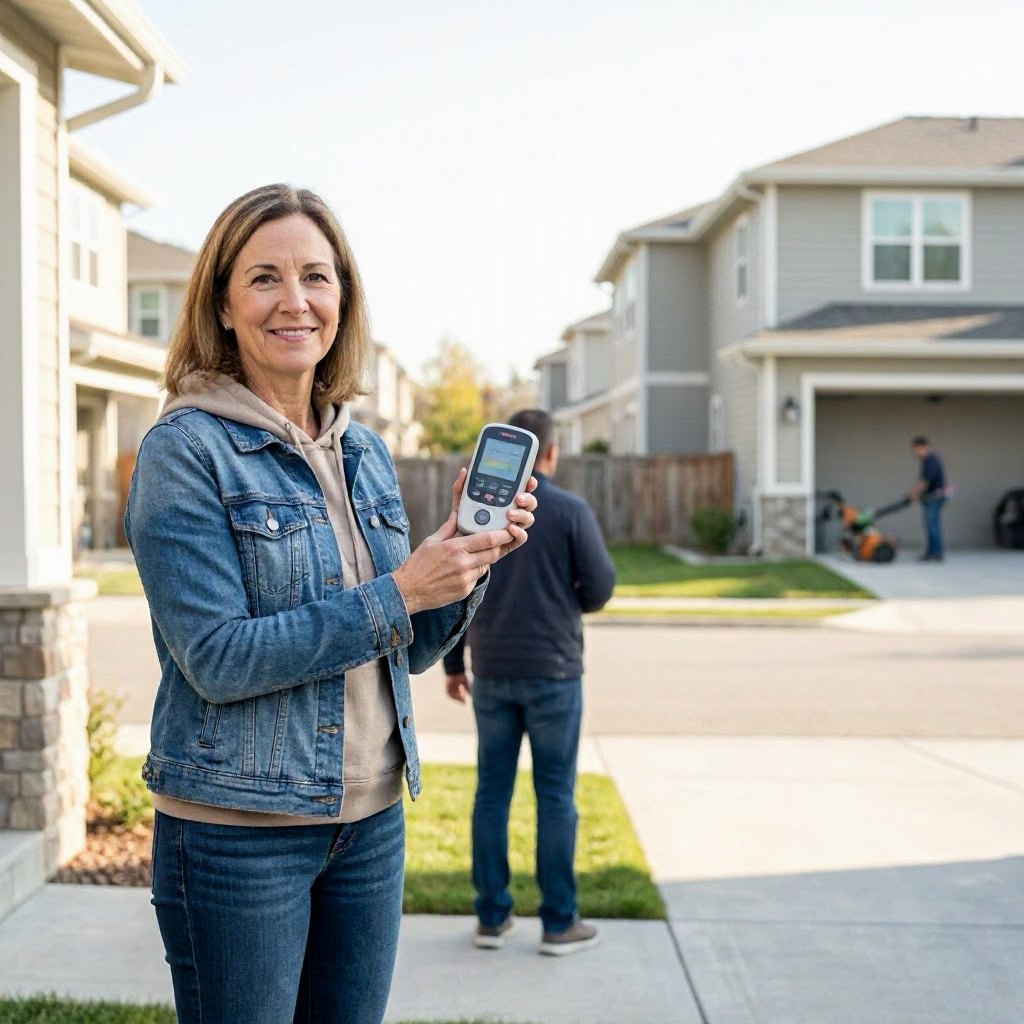
Ordinances often reference decibels (dB), measured by sound meters. Residential limits range from 50 dB at night to 65 dB daytime, but vary. Police or code officers use apps or devices for readings.
Not all complaints require measurement. "Plainly audible" rules cover music or voices heard 50-100 feet away.
Exemptions and Special Cases
Emergencies, construction (with permits), and permitted events are usually exempt. Live music venues or airports have buffers. Holidays like July 4th often extend quiet hours.
Vehicles like leaf blowers or lawn mowers have time restrictions but are rarely banned outright.
| Common Noise Type | Often Enforceable? | Key Factors to Check Locally |
|---|---|---|
| Loud music/parties after 10 p.m. | Yes, in most areas | Duration over 30 minutes; audible 50+ feet |
| Dogs barking repeatedly | Yes, if prolonged | "Continuous" often means 10-15 minutes |
| Construction before 7 a.m. | Sometimes | Permit required; residential limits stricter |
| Car alarms | Rarely, unless defective | Short duration (under 5 minutes) usually OK |
| Air conditioners or fans | No | Normal household appliances exempt |
| Shouting or arguments | Yes, if disturbing peace | Time of day; impacts multiple neighbors |
This table shows general patterns. Verify your local ordinance for specifics.
Receiving a Noise Complaint: First Steps
If a neighbor complains directly, listen calmly and ask for details like time, type of noise, and how it affects them. Note their name, address, and contact info if offered.
Do not argue or escalate. Suggest you'll address it, then check your habits. Read any written notice carefully for demands or threats of further action.
If police respond to a call, they may warn you, measure noise, or issue a citation. Cooperate politely. Ask for the officer's name, badge number, and a copy of any report.
Check for Official Status
Distinguish informal gripes from formal actions: - Neighbor letter: Not legally binding unless from a landlord or HOA. - Police citation: Enforceable, with fines from $50-$500 first offense. - Code violation notice: From city enforcement, often with a fix-it deadline (7-30 days).
Look for case numbers, dates, and agency contacts on any paper served.
Documenting Your Side
Keep detailed records from day one. This protects you if disputes escalate to code hearings, small claims, or eviction.
Gather:
- Log entries: Date, time, duration, noise description, witnesses.
- Photos/videos: Setup (e.g., stereo volume), timestamps on.
- Neighbor communications: Emails, notes from talks, texts.
- Police reports: Request copies via non-emergency line.
- Measurement tools: Buy a decibel app or meter; note readings.
- Repair receipts: For noisy appliances.
Store everything digitally and in print. Never alter records. Note names, dates, and times of calls to authorities.
If renting, share your log with your landlord promptly. Tenants face eviction risks under "nuisance" clauses.
Contacting Local Enforcement Agencies
For complaints against others (or to verify rules), start with non-emergency police. They handle immediate disturbances.
For ongoing issues:
- Code enforcement office: Your city or county department inspects violations.
- Animal control: For pets.
- Health department: Chronic issues affecting health.
Search "[your city] code enforcement" online. Call during business hours; ask about filing a complaint form. Provide your log and evidence.
Do not make anonymous reports if possible—they carry less weight. Expect follow-up visits.
When a Complaint Leads to Enforcement Action
Citations and Fines
A first warning might resolve it. Repeat offenses trigger citations with fines. Pay promptly or contest in municipal court.
Deadlines matter: Respond within 10-21 days typically. Check the ticket for court date and instructions.
Hearings and Appeals
Code violations often go to an administrative hearing. Bring your documentation. Officers present evidence; you respond.
Appeals vary: some to superior court within 30 days. Contact the court clerk for forms and fees (often $25-$100, with waivers available).
Landlord or HOA Involvement
Renters: Landlords must act on complaints under many state laws, but can evict for repeated nuisances. Review your lease.
HOA: Fines up to $100/day; covenants enforceable in court.
Making a Noise Complaint Yourself
If neighbors disturb you: 1. Talk politely first—many issues resolve here. 2. Document as above. 3. Call police non-emergency for acute problems. 4. File with code enforcement for patterns.
Track response numbers. Multiple reports strengthen your case.
| Step | Action | Why It Helps |
|---|---|---|
| 1. Communicate | Approach neighbor calmly | Builds goodwill; resolves 70% of disputes informally |
| 2. Log incidents | Note details daily | Proves pattern for officials |
| 3. Contact police | Use non-emergency line | Official record starts |
| 4. File formal complaint | Submit to code office | Triggers inspection |
| 5. Attend hearing | Bring evidence | Influences outcome |
Follow local processes to avoid counter-claims.
Neighbor Disputes Beyond Noise
Noise often signals broader tensions. Mediation services resolve many without courts. Check your city for free programs via community justice centers.
If threats or harassment arise, file a police report. Document everything for potential restraining orders.
Small claims court handles damages (e.g., lost sleep affecting work), but proving causation is hard. Limits: $5,000-$10,000 by state.
State and Local Variations to Verify
Rules differ sharply:
- Urban areas (e.g., New York City): Strict decibel enforcement.
- Rural counties: Focus on "reasonable person" standard.
- College towns: Lenient on weekends.
California: Vehicle noise caps at 95 dB. Texas: "Unreasonable" noise statewide, locals add details. Florida: 7 a.m.-10 p.m. quiet hours standard.
Use your county recorder or property records office to confirm addresses and ownership if disputes involve wrong properties. Search "[county name] property records" for free online access.
Always verify via official city/county websites or state legislature pages for statutes.
Preparing for Court or Hearings
If cited:
- Dress appropriately; arrive early.
- Organize documents in binders.
- Practice your statement: facts only.
- Bring witnesses.
Remote hearings common post-COVID—test tech. Court self-help centers offer free guides.
Do not miss dates. Ask for continuances if needed, via clerk.
Avoiding Scams and Bad Advice
Beware solicitors offering "noise defense" services. Verify attorneys via state bar sites.
Fake citations demand wire transfers—real ones go through courts. Contact the issuing agency to confirm.
Finding Legal Help
For complex cases:
- Legal aid: Low-income help via LSC finder at lsc.gov.
- Court self-help: Most superior courts have free resources.
- Bar referral: State bar for low-cost consults ($20-50 first hour).
- Tenant unions: If renting.
Prepare questions: "What are local noise deadlines?" "Can I contest this citation?"
This is general information. Rules vary; consult qualified help for your situation.
Key Checklists for Action
If Accused of Noise
- [ ] Review local ordinance online.
- [ ] Log your activities.
- [ ] Respond to any notice by deadline.
- [ ] Contact landlord/HOA if applicable.
- [ ] Gather evidence of compliance.
If Making a Complaint
- [ ] Talk to neighbor first.
- [ ] Document 3+ incidents.
- [ ] File with code enforcement.
- [ ] Follow up weekly.
- [ ] Note all reference numbers.
Use these to stay organized. Keep records safe.
Noise complaints test patience, but most resolve with communication and documentation. Check official sources first, act promptly on notices, and seek help early. Your local rules define what's enforceable—verify them today.

About the TDL Expert Panel
TDL Expert Panel · TheDigitalLife Editorial Team
TDL Expert Panel is the editorial team behind TheDigitalLife. The team researches, reviews, and creates practical guides to help everyday readers make better decisions about home repair costs, refunds, AI tools, digital safety, productivity, and useful online resources. Each guide is written to be clear, useful, and easy to understand.