Mold in apartment: tenant rights and how to force action
---
Recognizing Mold in Your Apartment
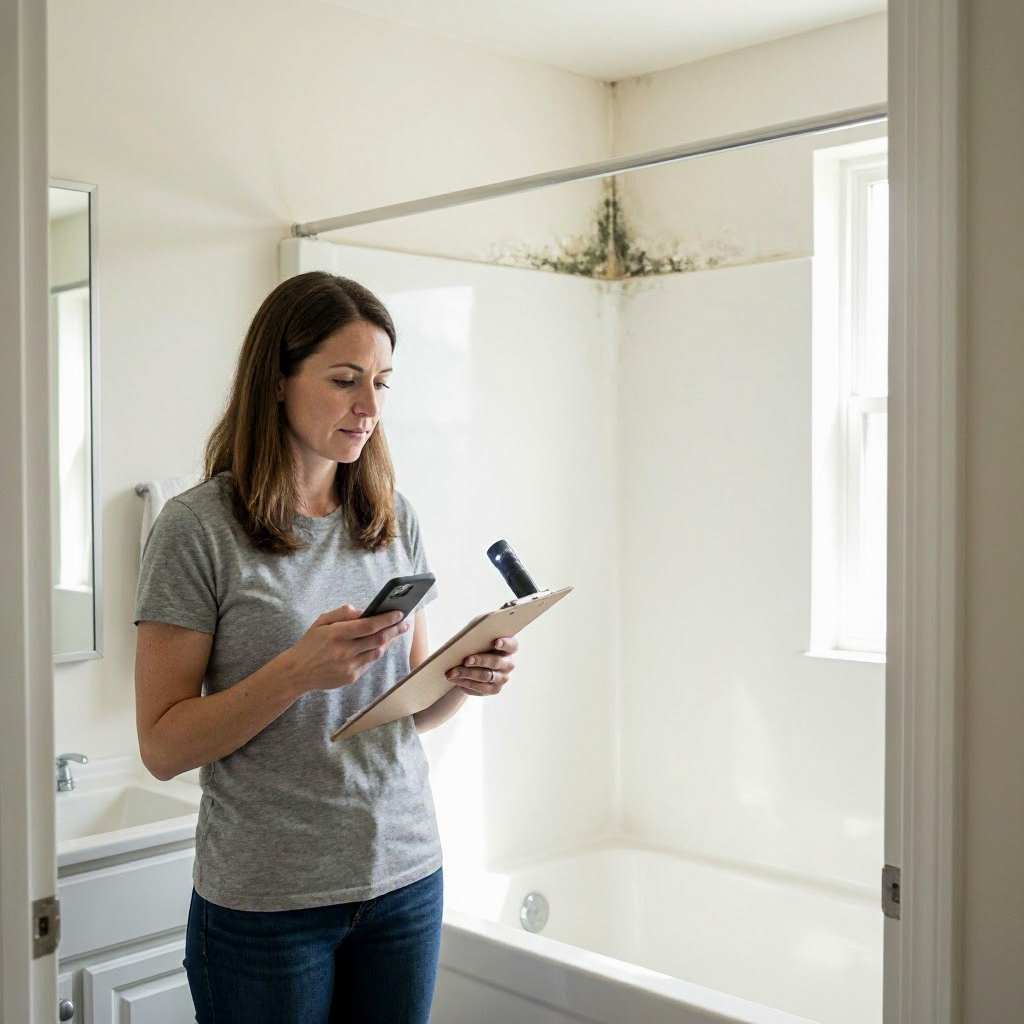
Mold growth in rental housing can affect your health and living conditions. It often appears as black, green, or white fuzzy patches on walls, ceilings, floors, or around windows. In many situations, moisture from leaks, poor ventilation, or high humidity causes it to develop.
Common signs include a musty odor, water stains, or visible spores. Health symptoms like coughing, sneezing, eye irritation, or worsened asthma may signal a problem, especially for children, seniors, or those with respiratory issues. Rules vary by state and local health codes, so check your area's standards first.
Start by inspecting your apartment thoroughly. Look in bathrooms, kitchens, basements, and areas near pipes or air conditioners. If you rent in a multi-unit building, mold might stem from shared walls or roofs.
Why Mold Matters Legally for Tenants
Landlords have a duty to maintain rental units in a habitable condition under most state laws. This includes preventing serious health hazards like toxic mold. The implied warranty of habitability requires safe, livable spaces free from conditions that could harm residents.
Federal guidelines from the U.S. Department of Housing and Urban Development (HUD) outline tenant rights related to rental assistance and habitability. Visit HUD's tenant rights page at hud.gov for general information. Local building codes often set specific mold limits, such as maximum moisture levels.
Not all mold is equally dangerous. Black mold (Stachybotrys) raises more concerns due to potential toxins, but any widespread growth warrants attention. Courts in many states have ruled that unchecked mold breaches the lease agreement.
Document everything early. Take dated photos or videos of affected areas, note any health effects, and keep your lease handy. These records prove the issue existed during your tenancy.
Step 1: Document the Problem Thoroughly
Before contacting your landlord, gather evidence. This protects you if disputes arise.
- Take clear, timestamped photos and videos from multiple angles, including measurements of affected areas.
- Log dates, locations, and descriptions of mold sightings, such as "March 15: Black spots on bedroom ceiling, 2 feet wide."
- Collect related documents: Your lease, prior repair requests, rent receipts, and utility bills showing humidity issues.
- Note health impacts: Keep doctor notes or over-the-counter medicine receipts if symptoms started after mold appeared.
- Test if possible: In some states, tenants can request professional mold inspections, but pay upfront and seek reimbursement later.
Store copies digitally and in hard copy. Email photos to yourself for timestamps. Never alter evidence, as it could harm your case.
If mold affects common areas like hallways, photograph those too, as landlords control shared spaces.
Step 2: Notify Your Landlord in Writing
Verbal complaints start the process, but written notice creates a paper trail. Most states require tenants to give landlords reasonable time to fix issues before further action.
Send a polite, detailed letter via certified mail with return receipt or email with read receipt. Include:
- Description of the mold problem with locations and photos attached.
- How it affects your health or use of the space.
- A reasonable deadline, like 14 days, based on local norms.
- Reference to your lease and state habitability laws.
Sample outline for a repair request letter:
"Dear [Landlord's Name],
I am writing about mold in my apartment at [address], unit [number]. On [date], I noticed [describe mold]. Photos are attached. This affects my health because [briefly explain].
Please inspect and remediate within 14 days, per [cite state law if known, e.g., 'state habitability standards']. Contact me at [phone/email].
Sincerely, [Your Name]"
Keep the original and proof of delivery. Follow up if no response.
Deadlines and Response Times Vary by Location
Landlord response times differ widely. In California, for example, severe habitability issues like mold may require action within days, while other states give 30 days for non-emergencies. Do not ignore your lease terms, which might specify repair timelines.
Read any notices from your landlord carefully. Look for case numbers, dates, or instructions. Save envelopes or emails as proof.
If rent is due during this period, pay on time unless local law allows withholding. Check official state court websites for your area's rules.
Step 3: What to Do If No Action Is Taken
If the landlord ignores your notice, consider these general options. Rules vary by state, so verify through local sources.
Contact Local Housing or Health Authorities
Many cities have code enforcement offices that inspect rentals. File a complaint online or by phone. They can order repairs and fine non-compliant landlords.
Health departments address mold as a public health risk. Provide your documentation.
Repair and Deduct (Where Allowed)
Some states permit tenants to pay for repairs and subtract costs from rent. Limits apply, like under $300 or 1% of annual rent. Get bids from licensed contractors first and notify the landlord.
Rent Withholding or Escrow
In certain states, deposit rent into an escrow account until fixed. Courts often oversee this. Missteps can lead to eviction, so ask legal aid first.
Withhold Rent Carefully
Only if state law explicitly allows for uninhabitable conditions. Provide prior written notice.
| Option | When to Consider | Key Check First |
|---|---|---|
| Local Inspection | No response after written notice | City/county housing code office website |
| Repair and Deduct | Minor fixes, state permission | Maximum amount, contractor license |
| Rent Escrow | Ongoing habitability breach | Court approval process in your state |
| Withhold Rent | Severe health risk | Exact state statute on habitability |
Preparing for Court or Small Claims
If informal steps fail, landlords might sue for unpaid rent, or you may need to file in housing court. Tenants often counterclaim for repairs or damages.
Gather all records: notices, photos, witness statements from neighbors, expert reports. Organize in a binder with tabs.
Small claims court handles many mold disputes without lawyers. Filing fees range from $30 to $100, often waivable for low-income filers. Check your county court's self-help center.
Attend any hearing prepared. Dress professionally, arrive early, and speak calmly. Bring three copies of documents.
Appeals have short deadlines, typically 10-30 days. Do not miss them.
Health Risks and When to Act Urgently
Mold can release allergens and mycotoxins, worsening allergies or causing infections. Vulnerable groups like pregnant people or immunocompromised individuals face higher risks.
If symptoms persist, see a doctor and request a note linking issues to mold. The Centers for Disease Control and Prevention (CDC) offers mold guidelines at cdc.gov/mold.
Evacuate if mold is extensive and health effects severe. Document relocation costs for potential reimbursement.
Contact your local health department immediately for urgent cases.
Seeking Free or Low-Cost Legal Help
You do not need to handle this alone. Legal aid organizations assist low-income tenants with housing issues.
Use the Legal Services Corporation's finder at lsc.gov to locate providers. LawHelp.org lists state-specific resources.
State bar associations offer lawyer referrals, often for $30 initial consults. Court self-help centers provide forms and workshops.
Tenant unions or nonprofits like local HUD offices offer advice. Prepare questions like:
- What are my rights under [state] law for mold?
- Can I withhold rent safely?
- What deadlines apply here?
Before calling, note your income, lease details, and timeline.
Avoiding Scams and Unqualified Help
Beware of companies promising "mold lawsuits" for fees or quick settlements. Verify lawyers through your state bar website.
Legitimate help comes from official sources. Avoid paying by wire, gift card, or crypto for services.
Fake inspectors or "certified remediators" might upsell unnecessary work. Use licensed professionals recommended by authorities.
State and Local Differences in Mold Rules
Tenant rights depend heavily on location. For example:
- New York has strict multiple dwelling laws requiring mold remediation.
- Texas ties habitability to local codes, with limited statewide mandates.
- Florida addresses mold via insurance claims but varies for renters.
Rent control cities like San Francisco have extra protections. Federally subsidized housing follows HUD rules closely.
Always check your state attorney general's website, local housing authority, or court self-help page. Search "[your state] tenant rights mold" on official .gov sites.
| Resource Type | Where to Find | Why Useful |
|---|---|---|
| State Landlord-Tenant Handbook | State court website | Local notice periods, remedies |
| HUD Local Office | hud.gov | Subsidized housing rules |
| Legal Aid Intake | lsc.gov or LawHelp.org | Free case review |
| Health Department | County website | Free inspections |
Keeping Records Throughout the Process
Strong documentation strengthens your position. Track:
- All communications: Save emails, texts, voicemails (transcribe them).
- Names, dates, times of calls: Note who you spoke to and outcomes.
- Payments: Rent stubs, repair receipts.
- Professional reports: Mold tests, inspector findings.
Use a dedicated folder or app. This helps if you need to show a pattern of neglect.
Preparing Questions for Professionals
When contacting legal aid, housing inspectors, or attorneys, be ready:
- Does this mold violate [state/city] habitability codes?
- What notice period should I give?
- Are there funds for relocation or medical costs?
- How do I file a complaint with [local agency]?
Write them down to stay focused.
Long-Term Prevention Tips
After remediation, request landlord improvements like dehumidifiers or ventilation fixes. Monitor humidity below 60% with a cheap gauge.
Clean small mold spots yourself with soap and water if under 10 square feet, per CDC advice, but notify landlord anyway.
Final Practical Steps
Read your lease and any notices carefully. Do not ignore deadlines. Verify everything through official sources.
This is general information, not legal advice. Rules vary by state, county, and your specific situation. Consult legal aid, a court self-help center, or a qualified attorney for your case.
By documenting, notifying promptly, and seeking verified help, many tenants resolve mold issues without court. Stay organized and persistent.
(Word count: 2648) ---

About the TDL Expert Panel
TDL Expert Panel · TheDigitalLife Editorial Team
TDL Expert Panel is the editorial team behind TheDigitalLife. The team researches, reviews, and creates practical guides to help everyday readers make better decisions about home repair costs, refunds, AI tools, digital safety, productivity, and useful online resources. Each guide is written to be clear, useful, and easy to understand.