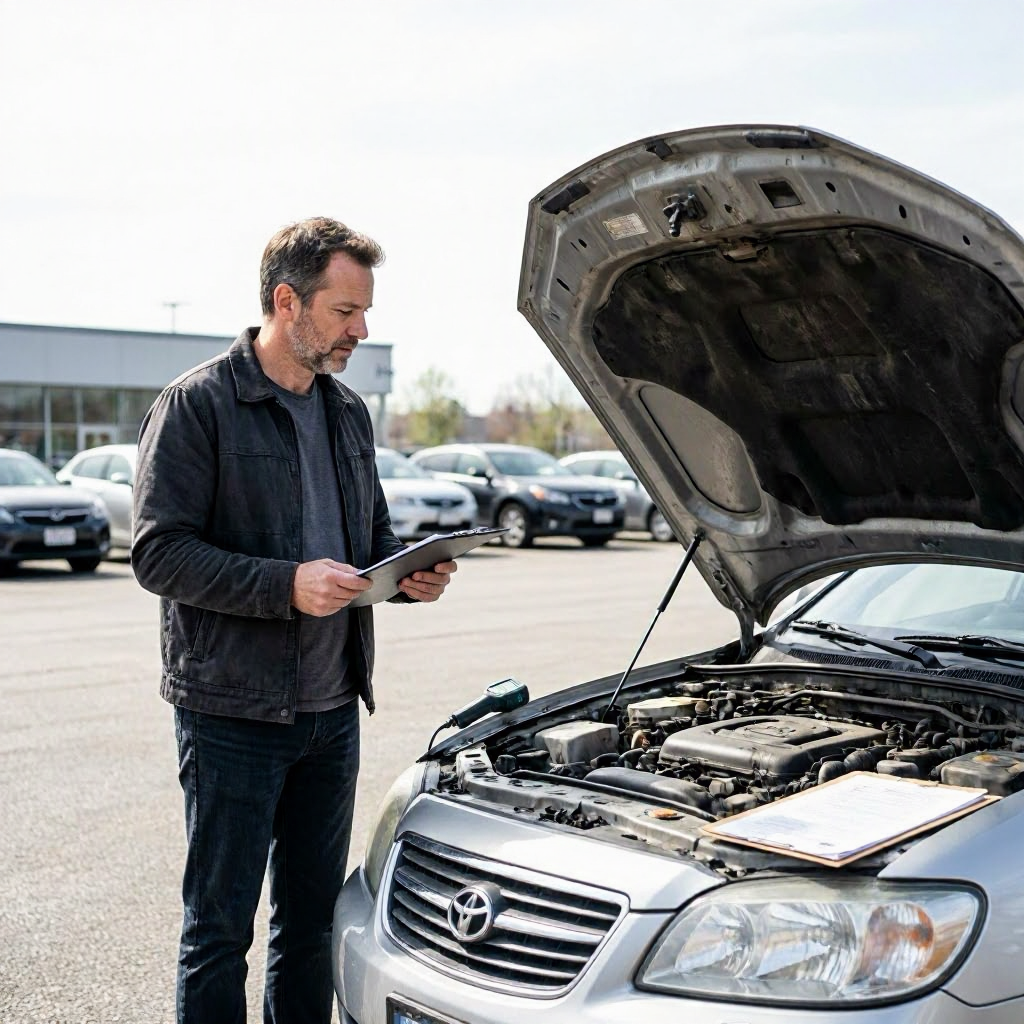
Mistakes that make used car purchase more expensive
Why Used Car Mistakes Drain Your Wallet
Buying a used car can be a smart way for U.S. households to cut transportation costs without the steep depreciation of a new vehicle. According to the Federal Trade Commission (FTC), used cars often cost 20% to 50% less upfront than new ones, leaving room in your budget for maintenance, insurance, and fuel. But common errors turn this savings into unexpected expenses, from major repairs to inflated financing deals.
Many buyers skip key steps in the excitement of a deal, only to face repair bills, hidden fees, or resale headaches later. These mistakes add up quickly, sometimes turning a $15,000 bargain into a money pit. This guide covers the top pitfalls and practical fixes, so you can focus on total ownership costs and protect your everyday budget.
Think about your household needs first: commute distance, family size, and monthly cash flow. Review your bank statements for current car expenses like gas and insurance. Then use free tools from trusted sites like the Consumer Financial Protection Bureau (CFPB) at consumerfinance.gov to estimate long-term costs.
Mistake 1: Skipping Vehicle History Research
One of the costliest oversights is buying without a vehicle history report. Flood damage, odometer fraud, or salvage titles can lead to repairs costing thousands. The National Motor Vehicle Title Information System (NMVTIS) reports that vehicles with undisclosed issues average higher breakdown rates.
Always get a report before committing. Use services like Carfax or AutoCheck, which cost $40 to $60 but can reveal accidents, liens, or service records. For free options, check NMVTIS through approved providers listed on vehiclehistory.gov. Cross-reference with the VIN from the dashboard or door jamb.
Enter the VIN on multiple sites to spot discrepancies. If the seller resists, walk away, as state DMVs require disclosure of major issues in most places. This step avoids inheriting someone else's problems, saving on towing, parts, and lost work time.
Keep the report with your purchase records. It also helps when shopping insurance quotes later, as clean histories often mean lower premiums.
Mistake 2: Relying on Seller's Word for Mileage and Condition
Sellers might claim "low miles for the year" or "runs great," but without proof, you're gambling. High-mileage cars wear out brakes, tires, and transmissions faster, leading to $1,000+ annual maintenance jumps.
Verify mileage independently. Use the odometer reading against the history report. Check for tampering signs like loose dash panels or inconsistent service logs. Apps from AAA or Edmunds let you input details for wear estimates based on make and model.
Test the car on highways and city streets. Listen for unusual noises and feel for vibrations. Budget for new tires if tread is below 4/32 inch, as state inspections often fail worn ones.
This mistake hits gig workers or commuters hardest, inflating fuel and repair costs. Plan a 100-mile test loop to mimic real use.
Mistake 3: Not Getting a Pre-Purchase Inspection
A handshake deal without a mechanic's eyes can hide frame damage or engine issues. The FTC warns that undisclosed defects lead to average repair bills of $500 to $5,000 in the first year.
Hire an independent mechanic for $100 to $200. Search for ASE-certified shops via ase.com. Bring the car to them, not the seller's buddy. They check brakes, suspension, exhaust, and electronics with tools like OBD-II scanners.
Expect a 20-50 point report. If it flags rust in wheel wells or leaking fluids, negotiate repairs or price cuts. For older cars, add a compression test for engine health.
Homeowners with garages might skip this, but renters or city dwellers benefit most from avoiding roadside breakdowns. Save the inspection report for warranty claims or resale.
Mistake 4: Ignoring Total Cost of Ownership
Focusing only on sticker price overlooks insurance hikes, fuel inefficiency, and parts scarcity. A cheap SUV might guzzle gas, adding $200 monthly for long commutes.
Calculate lifetime costs upfront. Use the EPA's fueleconomy.gov to compare MPG ratings. Factor in insurance via quotes from sites like The Zebra or NerdWallet. Add state registration fees, emissions tests, and expected maintenance from RepairPal.com.
For example, a V6 sedan versus a four-cylinder could save $500 yearly on gas alone. Check Kelley Blue Book (kbb.com) for ownership costs by model year.
Single-income families should prioritize reliability ratings from Consumer Reports. Track these estimates in a spreadsheet with your budget app.
Mistake 5: Falling for Curbstone Dealers or Private Seller Scams
Buying from unverified curbside sellers or online listings without verification invites title fraud or odometer rollbacks. The CFPB notes these deals often lack warranties, leaving you with lemons.
Stick to reputable sources. Use dealerships with Better Business Bureau ratings or private sellers via verified platforms like Autotrader or Craigslist with VIN photos. Meet at DMVs for title checks.
Verify seller ownership with DMV records, available in most states for a small fee. Avoid cash-only deals or pressure to skip paperwork.
Gig workers risk downtime; always have a backup ride plan. Document everything with photos and emails.
Mistake 6: Failing to Negotiate Aggressively
Accepting the asking price means overpaying by 5-15%, per Edmunds data. Dealers build in negotiation room.
Research fair market value first. Use KBB, NADA Guides (nada.com), or Cars.com for instant offers in your ZIP code. Print comparables for leverage.
Start 10-15% below value, citing repairs or market comps. Walk if needed, many deals close on return visits. Cash buyers hold more power.
For families, negotiate free oil changes or detailing. Track offers in notes for your records.
Mistake 7: Financing Through the Dealer Without Shopping
Dealership loans often carry 2-4% higher rates, adding hundreds monthly. Hidden add-ons like gap insurance inflate payments.
Pre-approve from banks or credit unions. Check rates at your bank, Capital One Auto Navigator, or LightStream. Use your credit score from AnnualCreditReport.com to qualify.
Compare APR, terms, and fees. Avoid "buy here, pay here" lots with predatory rates. Refinance post-purchase if better rates appear.
Budgeters: Use a loan calculator on bankrate.com. Keep pre-approval letters.
Mistake 8: Overlooking State Fees, Taxes, and Registration
Every state adds sales tax (4-10%), title fees ($50-200), and registration ($20-300). Emissions tests in California or New York can cost extra.
Budget 10% extra for fees. Use your state's DMV site for calculators, like California's dmv.ca.gov or Texas's txdmv.gov. Factor liens or back taxes from history reports.
Private sales often shift fees to buyers. Seniors or low-income households check for exemptions via state revenue departments.
Complete title transfer within 10-30 days to avoid late penalties. Keep receipts for tax deductions if applicable, per IRS guidelines at irs.gov.
Mistake 9: Short or No Test Drive
A quick spin misses handling issues or AC failures that show on hot days.
Drive 30+ minutes varied routes. Test acceleration, braking, and hills. Check all electronics, including backup cameras.
Bring a trusted friend for second opinions. Note any dashboard warnings.
This saves on immediate fixes for commuters.
Mistake 10: Skipping Insurance and Warranty Comparisons
New owners face rate jumps if the car doesn't match your profile. No warranty means full repair costs.
Get quotes before signing. Use Progressive, Geico, or independent agents. Bundle with home insurance for discounts.
Consider certified pre-owned (CPO) for factory warranties. Compare extended plans carefully via FTC's consumer.ftc.gov/auto.
Update policy Day 1 to avoid gaps.
Mistake 11: Buying Without Maintenance Records
No service history predicts future breakdowns. Oil changes every 5,000 miles extend life.
Demand receipts or dealer logs. If missing, budget $500 initial tune-up.
Use this for insurance discounts on well-maintained cars.
Mistake 12: Rushing the Purchase Under Pressure
"Deal ends today" tactics lead to poor choices.
Take time to sleep on it. Set a 24-hour rule.
Verify urgency with market research.
Quick Checklist for Smarter Used Car Buys
Use this to audit your process:
- Vehicle history report: Obtained and reviewed?
- Pre-purchase inspection: From independent mechanic?
- Test drive: 30+ miles, varied conditions?
- Price research: Matches KBB/NADA in your area?
- Financing: Pre-approved rates compared?
- Total costs: Fees, insurance, fuel estimated?
- Records kept: Reports, quotes, receipts filed?
| Common Hidden Cost | What to Check First | Safer Next Step |
|---|---|---|
| Repair surprises | History report and inspection | Negotiate fixes or walk |
| High financing | APR from multiple lenders | Pre-approve externally |
| State fees/taxes | DMV calculator for your ZIP | Budget 10% buffer |
| Insurance jump | Quotes for exact VIN/model | Shop 3+ providers |
| Fuel inefficiency | EPA MPG rating | Compare similar models |
Building a Post-Purchase Savings Plan
After buying, review monthly statements for new expenses. Track mileage for gas reimbursements if working. Schedule maintenance via apps like YourMechanic.
Join AAA for roadside help, often $50-100 yearly versus $200 tows. Sell extras like unused roof racks on Facebook Marketplace.
For households, combine trips to cut gas 10-20%. Check energy.gov/energysaver for efficient driving tips.
Reassess in 6 months: Is total cost under budget? Adjust insurance or refinance if not.
Protecting Against Scams and Pressure
Watch for fake VIN reports or "as-is" waivers hiding issues. Verify sellers via BBB.org. Never wire money or use gift cards.
Contact FTC at consumer.ftc.gov/complaint or CFPB for disputes. State attorney generals handle local fraud.
By avoiding these mistakes, you keep used car savings real, supporting your household budget without surprises. Start with one step today, like pulling a VIN report.

About the TDL Expert Panel
TDL Expert Panel · TheDigitalLife Editorial Team
TDL Expert Panel is the editorial team behind TheDigitalLife. The team researches, reviews, and creates practical guides to help everyday readers make better decisions about home repair costs, refunds, AI tools, digital safety, productivity, and useful online resources. Each guide is written to be clear, useful, and easy to understand.