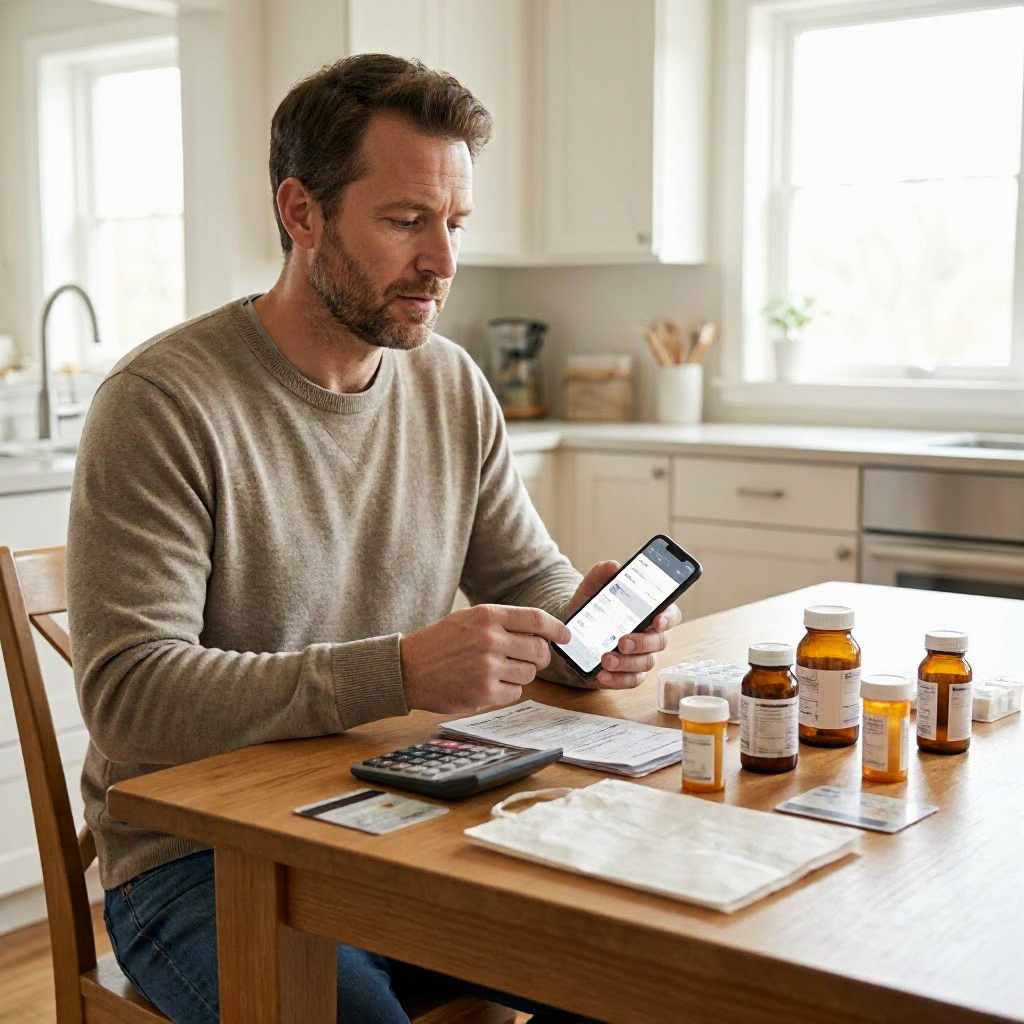
Mistakes that make prescription drugs more expensive
Why Prescription Drug Costs Add Up for US Households
Prescription drugs are a major everyday expense for many American families, often eating into budgets alongside groceries, utilities, and rent. In 2023, out-of-pocket spending on prescriptions averaged over $1,200 per household with regular medications, according to general consumer reports. Yet simple oversights turn affordable meds into budget busters. This article breaks down common mistakes that drive up costs and shares practical steps to lower them without skipping needed treatments.
The good news? Most fixes involve checking options, comparing prices, and using free tools available to US consumers. Whether you're on Medicare, employer insurance, or paying cash, avoiding these pitfalls can help stretch your dollars. Start by reviewing your last few pharmacy receipts and insurance statements to spot where you're overpaying.
Mistake 1: Always Choosing Brand-Name Drugs Over Generics
Doctors often prescribe brand-name medications first, but sticking to them without asking about generics is a top cost driver. Generic drugs can cost 80-85% less than brands, yet some patients assume generics are lower quality. In reality, the FDA requires generics to have the same active ingredients, strength, and effectiveness.
For a US family managing cholesterol meds, brand-name Lipitor might run $300 monthly, while the generic atorvastatin costs under $20 at many pharmacies. Not switching means paying hundreds extra yearly.
How to fix it:
- Ask your doctor or pharmacist at every visit: "Is there a generic equivalent? Can you prescribe it by its generic name?"
- If your insurance requires prior authorization for generics, note the details on your explanation of benefits (EOB).
- Check unit prices if generics come in different pack sizes, like 30-day vs. 90-day supplies.
Keep your prescription label and EOB to track switches. Generics aren't always cheaper upfront if bundled with copays, so compare total out-of-pocket costs.
Mistake 2: Never Comparing Prices at Different Pharmacies
Loyalty to one pharmacy, like the one near your home or workplace, leads to overpaying because prices vary widely. A chain like CVS might charge $50 for a generic, while Walmart or a grocery store pharmacy offers it for $10.
Independent pharmacies and big-box stores often undercut chains. Gig workers or commuters who fill scripts on the go miss savings by not price-checking.
Quick price comparison steps: 1. Use free apps or sites like GoodRx or SingleCare—enter your drug and zip code for local quotes. 2. Call 2-3 pharmacies with your prescription details for cash prices. 3. Ask your doctor's office to send the script electronically to your chosen pharmacy.
For example, a diabetic in Texas saved $200 yearly by switching from a chain to a Walmart pharmacy after comparing. Save screenshots of quotes and receipts to verify savings on future fills.
Mistake 3: Paying Full Retail Without Discount Cards
Many skip free prescription discount cards, assuming they're only for uninsured patients. These cards work alongside insurance or cash pays, often beating copays. Without them, you're stuck with pharmacy list prices.
A family with high-deductible plans might pay $150 for a blood pressure med, but a discount card drops it to $25.
Steps to use discounts right:
- Download cards from GoodRx.com, SingleCare.com, or RxSaver—print or show on your phone.
- Compare card prices vs. your insurance copay before paying.
- Renew the card if it expires; they're free and unlimited use.
Watch for traps: Avoid sites promising "guaranteed lowest prices" that charge fees. Stick to verified tools and check FTC.gov for scam alerts on fake discount offers.
Mistake 4: Ignoring Your Insurance Coverage Details
Not reviewing your plan's formulary (drug list) or tier structure means surprise high copays. Insurances like Blue Cross or UnitedHealthcare cover generics on lower tiers, but brands or non-preferred drugs hit tier 4 with 50% coinsurance.
Medicare Part D users often overlook the donut hole, where costs spike mid-year.
How to check coverage:
- Log into your insurer's portal or call the number on your insurance card for your plan's formulary.
- Ask: "What's my copay for this drug? Any lower-tier alternatives?"
- Review EOBs monthly for overcharges or denied claims.
A senior on fixed income saved $400 annually by confirming coverage before filling. Keep EOBs and formulary printouts filed by drug name.
Mistake 5: Skipping 90-Day Supplies and Mail-Order Options
Filling 30-day supplies every month racks up dispensing fees, often $5-15 each time. Switching to 90-day mail-order from your insurer or services like Express Scripts cuts fills to four yearly.
For chronic conditions like asthma, this avoids gaps and fees. Homeowners or caregivers appreciate delivery.
Practical switch steps: 1. Confirm your plan allows 90-day fills—most employer and Medicare plans do. 2. Order through your insurer's mail-order pharmacy or accredited services. 3. Compare shipping fees; some waive for members.
A single-income household cut thyroid med costs 20% via mail-order. Track delivery confirmations and next-fill dates on your calendar.
Here's a simple table to compare supply options:
| Supply Length | Typical Fees per Year | Best For |
|---|---|---|
| 30-day | $60-180 (4 fills x fees) | Short-term meds |
| 90-day | $20-60 (4 fills x fees) | Chronic daily meds |
| Mail-order 90-day | Often fee-free for members | Busy families, rural areas |
Mistake 6: Relying on Auto-Refills Without Review
Auto-refill programs sound convenient but lead to waste and extra costs if your needs change—like after a dosage adjustment or recovery. You pay for unneeded pills that expire.
Break the cycle:
- Opt out or pause auto-refills in your pharmacy app or account.
- Set calendar reminders 5 days before running low to review usage.
- Ask pharmacists to flag potential waste.
For antibiotics or short-term pain meds, manual fills prevent $50+ waste per incident. Review bank statements for recurring pharmacy charges quarterly.
Mistake 7: Not Paying Cash When It's Cheaper Than Insurance
High-deductible plans make insurance copays higher than cash prices early in the year. A $40 copay might exceed a $15 cash generic.
Uninsured or underinsured gig workers miss this most.
Cash vs. copay check:
- Always ask the pharmacist: "What's the cash price vs. my insurance price?"
- Run it through a discount card too.
- Note it on your receipt for tax or reimbursement purposes if using an HSA.
A freelancer saved $300 yearly on allergy meds this way. Keep receipts separated by cash vs. insured for easy tracking.
Mistake 8: Buying from Unverified Online Pharmacies
Desperate for deals, some turn to shady sites advertising 50% off. These often sell counterfeit drugs, risking health and wasting money—no refunds.
The FDA warns of rogue pharmacies lacking US licenses.
Safer online steps:
- Verify via NABP's safe.pharmacy list or FDA's BeSafeRx.
- Stick to .pharmacy domain sites or your insurer's portal.
- Avoid sites without US addresses, pharmacist contact, or prescription requirements.
Report suspects to FTC.gov/complaint. A family lost $100 on fakes; better to use local verified chains.
Mistake 9: Never Discussing Costs with Your Doctor
Doctors focus on efficacy, not price, so not mentioning budget leads to pricier scripts. They can suggest therapeutically equivalent alternatives or prior authorizations.
Conversation starters:
- "My budget is tight—what lower-cost options match this?"
- "Does the generic work as well for my condition?"
- Share discount card prices if relevant.
Caregivers for seniors report 15-30% savings post-talk. Document doctor notes and new scripts.
Mistake 10: Overlooking Patient Assistance and Savings Programs
Pharma companies offer free or low-cost meds for low-income, uninsured, or high-copay patients via programs like Pfizer RxPathways. Not applying misses thousands in aid.
Medicaid or 340B clinics provide discounts too.
Application basics: 1. Visit manufacturer sites (search "[drug name] patient assistance"). 2. Use aggregators like NeedyMeds.org or BenefitsCheckUp.org for eligibility. 3. Gather income proof, insurance details—apply online or call.
A low-income worker got HIV meds free. Keep approval letters and enrollment confirmations.
Extra Costs from Poor Planning and Scams
Failing to use HSAs/FSAs adds taxes—contributions are pre-tax, reimbursing eligible drugs. Check IRS.gov for rules.
Scams like fake "bill reduction" calls for Medicare Part D prey on seniors. Verify via Medicare.gov.
Monthly med review checklist:
- Scan bank statements for pharmacy charges.
- Compare last fill prices.
- Check expiration dates on stock.
- Update doctor on changes.
Building a Prescription Savings Plan
Start small: Pick one med this week, compare prices at three spots, and switch if cheaper. Track in a notebook: drug, old cost, new cost, date.
Review quarterly, especially before open enrollment or Part D periods. For families, assign one person to manage scripts.
Combine with grocery savings—buy OTC alternatives where safe, after doctor OK.
This approach helps renters, homeowners, students, and retirees lower costs realistically. Verify changes don't affect health; consult pharmacists freely—they're paid to advise.
By dodging these mistakes, US households reclaim control over drug spending, freeing cash for essentials. Keep all receipts, EOBs, and quotes for at least a year to dispute errors or prove savings.

About the TDL Expert Panel
TDL Expert Panel · TheDigitalLife Editorial Team
TDL Expert Panel is the editorial team behind TheDigitalLife. The team researches, reviews, and creates practical guides to help everyday readers make better decisions about home repair costs, refunds, AI tools, digital safety, productivity, and useful online resources. Each guide is written to be clear, useful, and easy to understand.