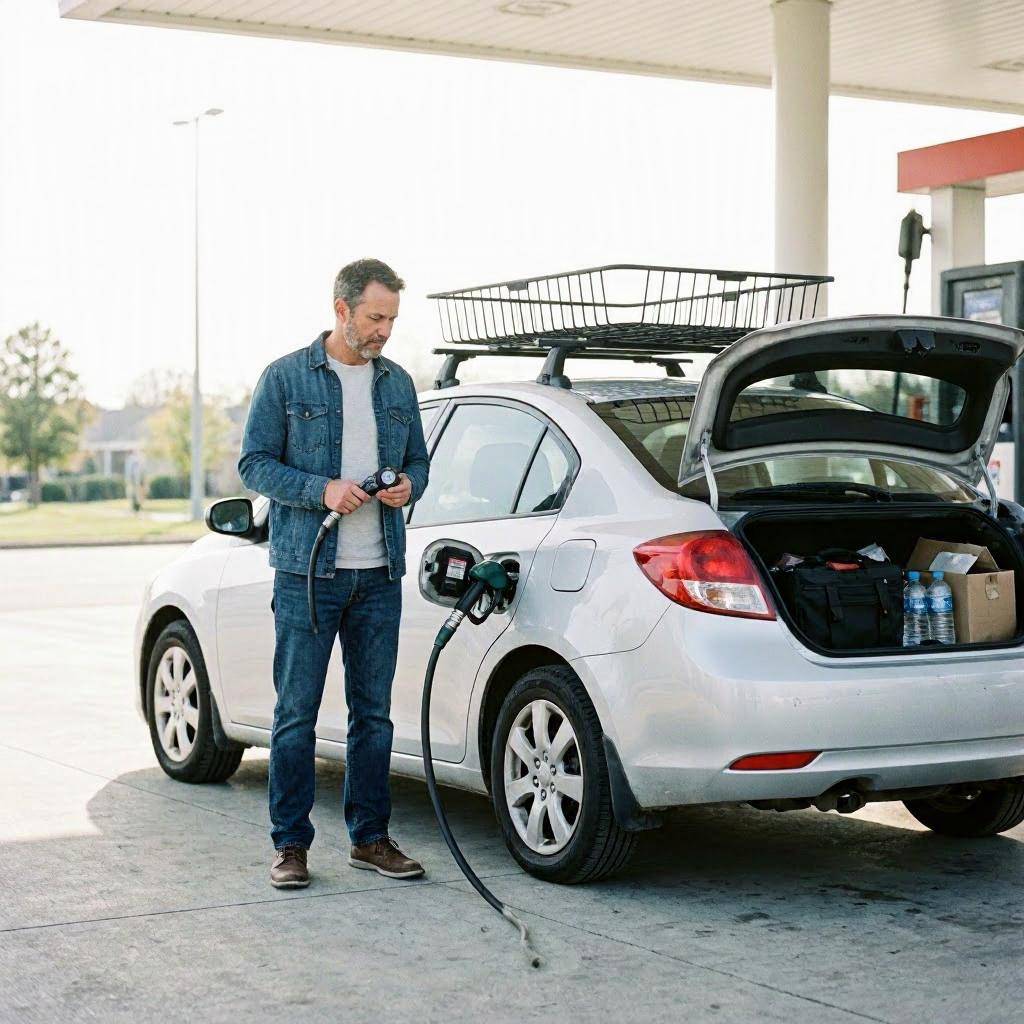
Mistakes that make gas for commuting more expensive
---
Why Commuting Gas Costs Hit Your Wallet Harder Than They Should
Gas for your daily commute is one of those everyday expenses that sneaks up on U.S. households. With average commutes around 27 miles round-trip for many workers, filling up the tank multiple times a month adds hundreds of dollars yearly. Small habits and oversights turn that into even more, especially when prices fluctuate with crude oil markets and regional taxes.
The good news? Most mistakes are fixable with straightforward checks and changes. This guide covers the top errors commuters make, why they raise your fuel bill, and practical steps to cut costs without buying a new car or changing jobs. Focus on your vehicle, routes, and routines first, then track results from your gas receipts and odometer readings.
Mistake 1: Skipping Basic Vehicle Maintenance
Low tire pressure alone can drop fuel economy by up to 3%. Dirty air filters, old spark plugs, or overdue oil changes make your engine work harder, burning extra gas on every highway merge.
Start by checking your tires monthly. Use the sticker inside your driver's door for the right PSI when cold, not hot from driving. Many stations have free air pumps, or visit a tire shop for a quick inspection.
Next, review your maintenance log. If oil is due every 5,000 to 7,500 miles depending on your oil type, schedule it soon. Replace cabin and engine air filters yearly or as your owner's manual suggests. These steps often pay for themselves in gas savings within months.
Keep records of dates, mileage, and receipts. Apps like Fuelly or a simple notebook track MPG before and after changes. For U.S. drivers, AAA offers affordable maintenance reminders and inspections at local clubs.
Mistake 2: Aggressive Driving Habits
Rapid acceleration, hard braking, and speeding over 60 mph spike fuel use. On highways, every 5 mph above 50 reduces efficiency by 4-7% due to wind resistance.
Ease into the gas pedal smoothly. Aim for steady speeds using cruise control on interstates. Anticipate stops by coasting toward red lights or traffic slowdowns.
Practice in low-traffic areas first. Over time, this becomes second nature for commuters. Combine with proper tire pressure for compounded savings.
Mistake 3: Sticking to the Same Route Every Day
Traffic jams and construction waste gas through idling and stop-go driving. Without updates, your usual path costs 10-20% more in fuel than a smarter alternative.
Download free apps like Google Maps or Waze. Enable real-time traffic and set your commute as a routine for alerts. Check alternate routes weekly, especially during rush hours.
Carpool when possible through apps like Waze Carpool or workplace programs. Even one shared ride a week cuts your solo gas use significantly. Note tolls in your total cost comparison, as some routes save time but add fees.
Mistake 4: Idling Your Engine Unnecessarily
Idling for over 10 seconds uses more gas than restarting. At stoplights or in drive-thrus, this habit adds up for urban commuters.
Turn off your engine for waits longer than a minute, unless in extreme cold where modern engines restart efficiently. Newer cars since 2008 often have auto-stop features; enable them in settings.
For trucks or older vehicles, practice this safely away from exhaust hazards. Track idling spots in your commute log to target them first.
Mistake 5: Buying Premium Fuel When Regular Suffices
Most cars run fine on 87-octane regular gas. Paying extra for premium without need wastes $0.20-$0.50 per gallon.
Check your owner's manual or gas cap for the recommended octane. Unless it specifies premium for high-compression engines, stick to regular from reputable stations.
Avoid "top tier" myths unless your manual advises it. Compare pump prices but prioritize stations with detergents to prevent engine deposits long-term.
Mistake 6: Hauling Extra Weight and Poor Aerodynamics
Heavy trunks, roof racks, or cargo carriers increase rolling resistance and drag, cutting MPG by 1-2% per 100 pounds.
Clear out non-essentials weekly: gym bags, tools, or winter gear not in use. Remove roof racks when empty; they alone drop efficiency by 10-25% at highway speeds.
Store items in your garage or use a trailer only for big loads. Weigh your car occasionally at a public scale to baseline changes.
Quick Weight Audit Checklist
- Weekly trunk check: Remove sports gear, groceries, or work supplies after use.
- Roof and hitch items: Detach empty carriers; store flat.
- Passenger habits: Avoid routine extra loads like daily coffee hauls in the car.
- Track MPG: Note before/after on your next fill-up.
Mistake 7: Overusing Air Conditioning and Other Accessories
AC reduces MPG by 3-4% in city driving, more on highways. Heaters and defrosters add similar drag.
Use vents and windows at low speeds under 40 mph. Switch to recirculate mode to cool faster. Park in shade or garages to start cooler.
Fans use less power than AC. In winter, use seat heaters over full cab heat. Test MPG differences during shoulder seasons.
Mistake 8: Taking Too Many Short Trips
Cold engines burn 10-20% more fuel until warmed. Multiple short errands instead of combining them wastes gas.
Batch trips: grocery after work, not separate drives. Warm up by driving gently, not idling.
For remote workers, limit car use to true commutes. Use a bike or walk for under 2 miles if safe.
Mistake 9: Ignoring Gas Price Shopping
Paying full price at convenience stations costs 20-30 cents more per gallon than warehouse clubs or apps.
Use GasBuddy or AAA apps to find cheapest stations within 5 miles of your route. Fill up mid-week when prices dip.
Join loyalty programs at chains like Shell or BP for discounts. Track averages in a notebook: date, station, price per gallon, odometer.
| Gas Price Hunting Tips | Action Step | Potential Benefit |
|---|---|---|
| Check apps daily | Set alerts for drops below $3.50/gallon | Save 10-20¢/gallon |
| Mid-week fills | Tuesday/Wednesday scouting | Avoid weekend spikes |
| Club memberships | Costco/Sam's for members | Bulk savings on volume |
| Cash vs. card | Skip high-fee stations | 5-10¢/gallon edge |
Mistake 10: Overlooking Total Commute Costs Beyond Gas
Focusing only on fuel ignores how speeding tickets, poor alignment, or underinflated tires lead to repairs that dwarf gas savings.
Get a free alignment check during oil changes. Maintain wiper blades and lights for safety, avoiding fines.
Review insurance for commute discounts if you drive safely. Use IRS mileage rates (check irs.gov annually) if self-employed for deductions, but consult a tax pro.
Advanced Fixes for Bigger Savings
Combine mistakes for synergy. For example, proper tires plus smooth driving boosts MPG 15-20%.
Consider hybrids or efficient used cars via fueleconomy.gov comparisons, but calculate total ownership: insurance, repairs, depreciation.
Explore employer transit benefits like vanpools or stipends. Public options via local transit apps save most for urban areas.
Tracking Your Gas Savings Progress
Start a simple log: fill-up date, gallons, price, odometer, route notes. Calculate MPG as miles driven divided by gallons used.
After fixes, review monthly. A 10% MPG gain on 400 miles/week saves real dollars.
Monthly Gas Tracker Outline
- Week 1 MPG: ________ (baseline)
- Changes made: Tires inflated, routes optimized
- Week 4 MPG: ________ (improvement)
- Savings: (Old MPG - New) x miles x price/gallon
Keep pump receipts and photos of your dashboard. Share rides via apps to split costs.
Visit energy.gov/energysaver for free fuel-saving guides tailored to your vehicle type.
When to Consider Bigger Changes
If fixes yield under 5% savings, audit total transport. Compare carpool, bus passes, or e-bikes for short commutes.
For long hauls, high-occupancy vehicle lanes cut time and gas. Avoid unsafe shortcuts.
Budget for maintenance fund from savings. U.S. families averaging 12,000 commute miles yearly see noticeable relief.
Realistic Expectations and Next Steps
No single fix slashes bills overnight, but stacking them adds up. Aim for 10-15% reduction first month.
Review statements for patterns. If gig work or irregular shifts, flex schedules.
Stay safe: well-maintained cars prevent accidents. Check consumer.ftc.gov for fuel scam alerts like fake additives.
Your commute budget strengthens with consistent tracking. Start with tires and routes today, fill up smart tomorrow. ---

About the TDL Expert Panel
TDL Expert Panel · TheDigitalLife Editorial Team
TDL Expert Panel is the editorial team behind TheDigitalLife. The team researches, reviews, and creates practical guides to help everyday readers make better decisions about home repair costs, refunds, AI tools, digital safety, productivity, and useful online resources. Each guide is written to be clear, useful, and easy to understand.