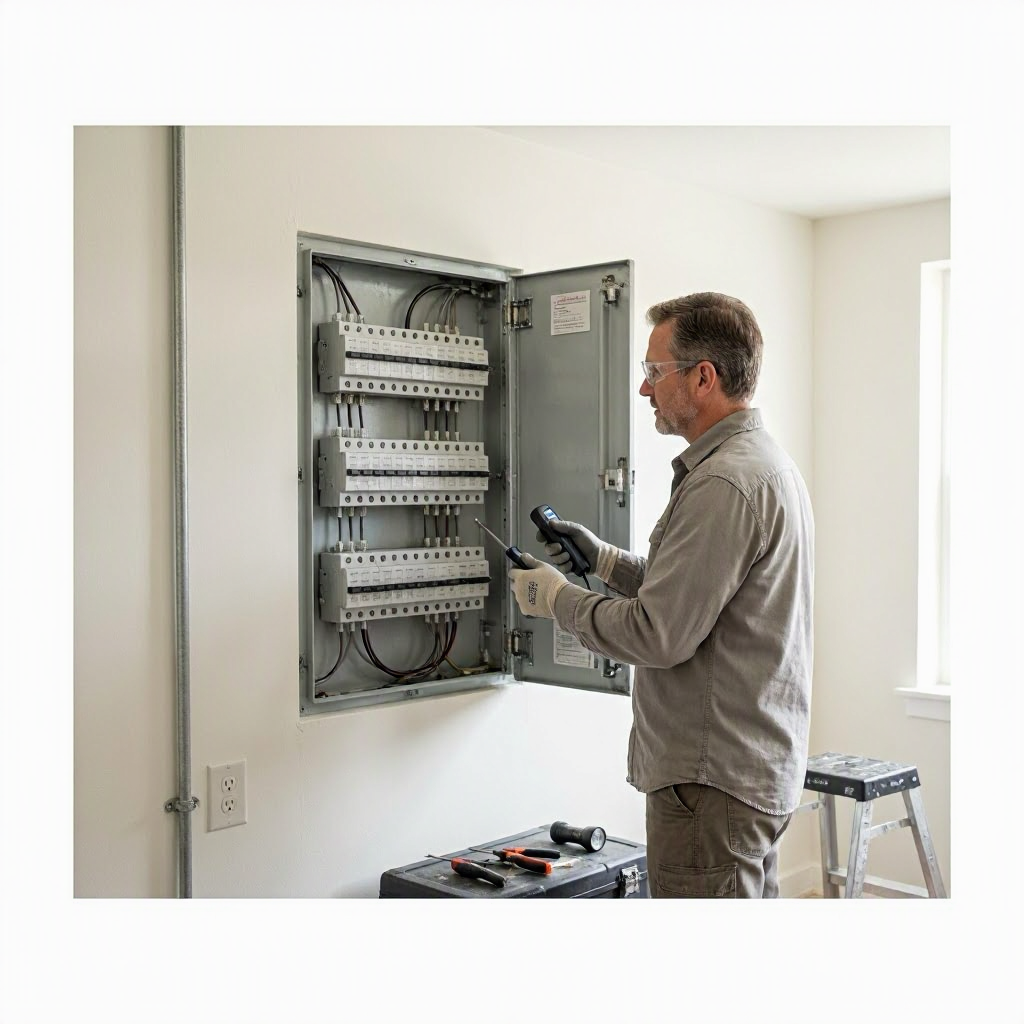
Mistakes that make electric bill more expensive
---
Why Your Electric Bill Keeps Climbing
Electric bills are a major household expense for many Americans, often ranking among the top three utilities alongside water and internet. In the US, residential electricity costs vary by state and season, but simple habits and overlooked issues can drive up your monthly charge by hundreds of dollars a year. The good news is that spotting these mistakes lets you make targeted changes without buying new equipment or sacrificing comfort.
This guide breaks down the most common errors that inflate electric bills. You'll learn what to check on your bill, how usage patterns add costs, and practical steps to fix each problem. Start by reviewing your latest utility statement line by line: look at kilowatt-hour (kWh) usage, peak demand charges if applicable, taxes, fees, and any fixed service costs. Compare it to the same month last year to spot trends. Tools from the US Department of Energy at energy.gov/energysaver can help estimate your home's baseline needs.
Tracking changes over a month shows real savings. Keep bills, meter readings if available, and notes on adjustments you make. Many utilities offer free online accounts or apps to monitor daily usage.
Ignoring Peak Hours and Time-of-Use Rates
Many US utilities charge higher rates during peak hours, typically afternoons and evenings when demand is high. Running high-energy appliances then can double your per-kWh cost without you realizing it.
Check your bill for time-of-use (TOU) pricing. If your provider uses it, rates might jump 50% or more during peaks (verify exact times on your utility's site). A common mistake is scheduling laundry, dishwashing, or EV charging for evenings. Shift these to off-peak mornings or overnight.
To fix this:
- Log into your utility account and review rate plans. Some offer budget billing to average costs, but switching to a low-income or TOU plan might save more.
- Use smart plugs or appliance timers set to off-peak. For example, delay your dishwasher until after midnight.
- If you're on a standard flat rate, ask about TOU options, but calculate total impact first, including any fixed fees.
Homeowners in hot states like Texas or California see bigger hits from peak AC use. Renters can still adjust habits. Track one week's usage before and after shifting loads to measure savings.
Leaving Lights On Unnecessarily
Incandescent or old halogen bulbs waste 90% of energy as heat, not light. Even with LEDs, leaving rooms lit when empty adds up, especially in large homes or with outdoor fixtures.
The mistake: Treating lights like "set it and forget it." A single bulb left on 24/7 for a month uses about 10-15 kWh, costing $1-2 at average rates (check your kWh price on the bill).
Switch to LEDs or CFLs everywhere possible. They use 75-80% less energy and last longer. Install motion sensors or smart bulbs linked to occupancy.
Steps to audit:
- Walk through your home at night and note all lit areas.
- Replace bulbs in high-use spots like kitchens and garages first.
- Use natural daylight by keeping curtains open during the day.
For outdoors, use solar lights or timers on porches. In multi-person households, make it a family rule: "Lights out when you leave." This simple change pays off in weeks.
Overusing Air Conditioning and Fans Incorrectly
Heating and cooling account for nearly half of average US home electric use. Cranking the thermostat too low in summer or forgetting ceiling fans wastes power.
A 1-degree drop below 78°F can increase AC costs by 3-5%. Fans don't cool rooms, they cool people, so turn them off when leaving.
Common errors:
- Setting AC below 72°F constantly.
- Blocking vents with furniture or rugs.
- Not changing dirty filters monthly, which makes the system work harder.
Fixes include:
- Aim for 78°F when home, 82°F away. Use a programmable thermostat to automate.
- Clean or replace filters (check your model's size on the unit).
- Seal window gaps with weatherstripping and add insulating curtains.
In milder climates, use window units sparingly or opt for ENERGY STAR models. Test savings by logging thermostat settings and bill changes. Visit energy.gov/energysaver for free thermostat rebates in some areas.
Heating Water Inefficiently
Water heaters use 15-25% of home electricity. Keeping the temperature at 140°F or higher, or using old tank models, spikes bills.
Lower to 120°F to cut standby losses by 3-5% per 10°F drop. Insulate the tank and pipes if accessible.
Mistakes to avoid:
- Running hot water for minutes while waiting for it to heat.
- Washing in hot water unnecessarily.
- No low-flow showerheads, which waste heated water.
Practical steps:
- Adjust the dial on your electric water heater (turn off power first for safety).
- Install aerators on faucets and low-flow heads (under $20 at home stores).
- Wash clothes and dishes in cold water when possible; most detergents work fine.
Tankless or heat pump water heaters save more long-term, but check for federal tax credits via irs.gov/credits-deductions. Renters: Ask landlords about upgrades.
Appliance Settings That Drain Power
Old refrigerators, dryers, and ovens run inefficiently. Forgetting to clean coils or overloading them forces motors to overwork.
Fridge set above 37°F or below freezer 0°F uses extra energy. Coils dusty? Clean every 6 months to improve efficiency by 20-30%.
Key mistakes:
- Fridge doors left ajar or packed too full, blocking air flow.
- Dryers without full loads or vent cleaning.
- Ovens preheated too long or self-cleaning unnecessarily.
Audit checklist: 1. Check fridge/freezer temps with an appliance thermometer. 2. Vacuum coils behind fridge (unplug first). 3. Clean dryer lint trap after every load; vent annually. 4. Use microwaves over ovens for small tasks.
Upgrade to ENERGY STAR appliances when replacing. Compare total costs, including rebates from utilities or energy.gov.
Phantom Power from Standby Modes
Devices like TVs, chargers, and microwaves draw "vampire" power when off but plugged in, totaling 5-10% of bills.
A single charger left plugged in uses as much as a 10W bulb continuously. Smart strips cut power completely.
Hunt them down:
- Unplug or use power strips for TVs, computers, gaming consoles.
- Check clock displays on appliances.
- Install strips that auto-shutoff when devices are idle.
In home offices or entertainment rooms, this adds up fast. Measure with a kill-a-watt meter (affordable online) for exact usage. Savings appear on next bills.
Laundry Habits That Cost Extra
Washing small loads or using hot water unnecessarily inflates dryer and washer use.
Air-drying saves 5-10% on bills vs. electric dryers. Full loads in cold water cut energy 90% for washing.
Avoid:
- Over-drying clothes, which wears fabric and uses more power.
- Ignoring water temperature settings.
Tips:
- Wash full but not stuffed loads.
- Dry in batches by fabric type.
- Hang clothes outdoors or on racks when weather allows.
Gig workers or families with uniforms benefit most. Track loads per week to see patterns.
Dishwasher and Kitchen Oversights
Dishwashers on high-heat dry or hand-washing inefficiently wastes power.
Skip heated dry; open the door at end of cycle. Run only full loads.
Other errors:
- Pre-rinsing heavily, which uses hot water.
- Leaving oven doors open while preheating.
Switch to eco modes. For frequent cooks, use smaller countertop models. Keep receipts for any upgrades.
| Mistake | Why It Increases Bill | Quick Fix |
|---|---|---|
| Peak-hour AC use | Higher TOU rates | Shift to mornings/nights |
| Dirty AC filters | System overworks | Replace monthly |
| Water heater >120°F | Standby losses | Lower thermostat |
| Fridge coils dusty | Poor cooling | Clean every 6 months |
| Vampire power | Constant draw | Power strips |
| Hot laundry water | 90% more energy | Cold water washes |
| Empty rooms lit | Unnecessary kWh | Motion sensors |
Electronics and Home Office Waste
Laptops, printers, and routers left on 24/7 in remote work setups add hidden costs.
Screen savers don't save; turn off monitors. Enable sleep modes.
Steps:
- Set auto-sleep on computers after 15-30 minutes.
- Unplug printers or use strips.
- Use laptops unplugged when possible (they sip power).
For students or gig workers, audit outlets. Compare usage before/after.
Poor Insulation and Drafts
Gaps around windows, doors, and attics let cooled or heated air escape, forcing HVAC to compensate.
Seal drafts to reduce cooling needs by 10-20%. Attic insulation under R-30? Add more.
Homeowner fixes:
- Caulk cracks, add door sweeps.
- Use foam seals on outlets.
- Check for air leaks with incense test (flame direction shows drafts).
Renters: Focus on windows with plastic kits. Long-term, energy audits from utilities are often free.
Outdoor and Pool Equipment Mistakes
Holiday lights year-round or inefficient pool pumps run up summer bills.
LED string lights use 80% less. Timers prevent all-night running.
For pools:
- Run pumps shorter cycles.
- Cover when not in use.
Verify local rules before upgrades.
Billing and Provider Plan Errors
Not shopping providers or missing discounts keeps you on high rates.
Review annual notices for rate hikes. In deregulated states like Texas, compare via powertochoose.org (official PUC site).
Steps:
- Call or chat utility about budget plans, senior discounts, or LIHEAP eligibility (call 211).
- Check for equipment rental fees (buy your own modem? Save $10+/month, but here focus electric).
- Dispute errors with meter readings.
Keep confirmations. Avoid scams promising "bill cuts" via unsolicited calls.
Building a Bill-Reduction Plan
Start small: Pick 3 mistakes from above, track for 30 days.
Weekly checklist:
- Review usage via app.
- Adjust one habit (e.g., thermostat).
- Note kWh drop.
Use free calculators at energy.gov/energysaver to estimate savings. Combine with assistance: Low-income households qualify for LIHEAP via benefits.gov or 211.
For families, assign roles like "lights patrol." Seniors: Check AARP utility tips.
Long-term: ENERGY STAR homes or solar (tax credits apply). Realistic goal: 10-20% reduction without discomfort.
Tracking Your Progress and Avoiding Setbacks
After changes, compare bills. Subtract fixed fees/taxes for true usage savings.
Keep a simple log:
| Month | Total Bill | Usage (kWh) | Key Changes | Notes |
|---|---|---|---|---|
| July | $150 | 1200 | Lowered AC | Saved $20 |
| Aug | $130 | 1050 | Added strips | Even better |
Adjust as needed. If bills rise, recheck for new habits or rate changes.
Contact utility before summer peaks for tips. This ongoing review prevents backsliding.
By fixing these mistakes, US households can lower electric bills reliably. Focus on habits first, then efficiencies. Verify all changes suit your home and climate. For personalized audits, use DOE resources or local co-ops. ---

About the TDL Expert Panel
TDL Expert Panel · TheDigitalLife Editorial Team
TDL Expert Panel is the editorial team behind TheDigitalLife. The team researches, reviews, and creates practical guides to help everyday readers make better decisions about home repair costs, refunds, AI tools, digital safety, productivity, and useful online resources. Each guide is written to be clear, useful, and easy to understand.