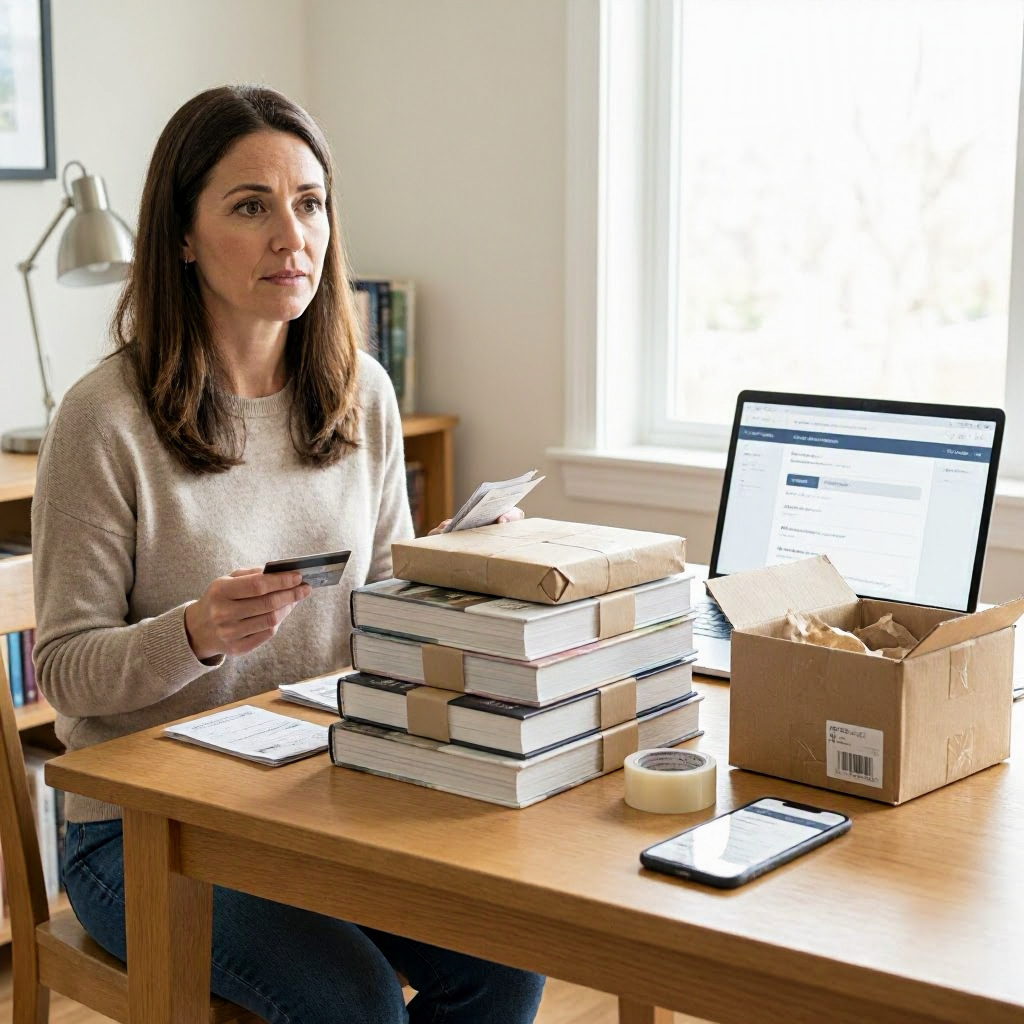
Mistakes that make college textbooks more expensive
The High Cost of College Textbooks and Common Pitfalls
College in the United States comes with plenty of expenses, but textbooks often hit students and families hardest. The average full-time student spends around $1,200 per year on course materials, according to estimates from the College Board. Yet many pay even more due to avoidable mistakes in how they buy, rent, or access books. These errors add up quickly, especially for those juggling tuition, rent, and daily costs on a tight budget.
This article breaks down the most common mistakes that drive up textbook prices. For each, you'll find practical steps to spot the issue, calculate potential waste, and switch to lower-cost options. By reviewing your syllabus early, comparing sources, and tracking purchases, you can cut costs without skipping required readings or risking your grades. Focus on needs first: required editions, ISBNs, and access codes specified by your professor.
Mistake 1: Buying New from the Campus Bookstore Without Comparing Prices
Campus bookstores mark up new textbooks significantly, often 20-50% above online retailers. They cater to last-minute buyers who need instant pickup, but this convenience costs extra. A student rushing before class might pay $150 for a book available elsewhere for $80.
How to avoid it: Always start with your syllabus for the exact ISBN and edition. Use sites like Amazon, Chegg, or BookFinder.com to compare prices across new, used, rental, and digital formats. Check the campus store's website first, as some list prices online. Set a shopping timeline: aim to buy 4-6 weeks before classes start when inventory is high.
Download browser extensions like Honey or Capital One Shopping to flag lower prices automatically. Review your student account portal or bookstore app for any bundled deals, but verify if extras like unused workbooks are truly required. Keep receipts and ISBN notes for returns within the store's policy, usually 10-30 days.
This simple comparison can save hundreds per semester. Track your finds in a spreadsheet: list book title, ISBN, sources checked, and final price paid.
Mistake 2: Overlooking Rental Options for Short-Term Use
Many students buy books outright, even for one-semester classes, instead of renting. Rentals from platforms like Chegg or the campus store can cost 40-60% less than buying new, with options to return at semester's end.
Signs you're making this mistake: Your syllabus doesn't require keeping the book post-class, yet you own it. Rentals include shipping fees, but these often beat ownership for intro courses.
Smarter steps: Log into rental sites with your syllabus ISBN. Compare rental periods (full semester vs. 60-90 days) and fees for late returns. Campus libraries or stores often rent too, sometimes cheaper for popular titles. Before renting, confirm professor approval for used or older editions if specified.
After renting, photograph the book's condition upon receipt and return. Save confirmation emails showing rental terms. If the rental price nears buyout, calculate total cost: a $50 rental plus $10 shipping beats $120 ownership for one use.
Mistake 3: Ignoring Used Books and Peer-to-Peer Sales
New books depreciate fast, but students skip used options, paying full price unnecessarily. Used books in good condition cost 25-75% less and work fine unless access codes are required.
Quick check: Scan Facebook Marketplace, campus groups on Reddit (like r/[YourSchool]), or apps like OfferUp for local sellers. Last semester's students often sell at 50% off bookstore prices.
Action plan: Post in class GroupMe or Discord asking for sellers, including ISBN. Meet in public campus spots for cash or Venmo. Inspect for highlighting, missing pages, or codes before buying. Negotiate: "What's your best price for quick cash?"
Campus bulletin boards or student unions list sales too. If buying used online via eBay or AbeBooks, factor shipping and seller ratings. Resell immediately after finals to recoup costs, listing on the same platforms.
Mistake 4: Falling for Required Bundles with Unnecessary Access Codes
Publishers bundle textbooks with online access codes for homework platforms like Pearson MyLab or McGraw-Hill Connect. Students buy the full bundle, even if the code goes unused or expires quickly.
Why it hurts: Bundles cost $20-100 more than the book alone. Professors sometimes make codes optional or provide alternatives.
Fix it now: Email your professor pre-purchase: "Is the access code required, or can we use free trials/library versions?" Check syllabus footnotes. Sites like Chegg or Slack Exchange sell codes separately for $10-50.
If bundled, buy used without codes and purchase digital access standalone via the publisher site. Avoid "required" labels from bookstores; verify independently. Track code expiration dates to share with roommates legally if terms allow.
Mistake 5: Not Verifying Editions or Using Previous Versions
Textbooks update yearly with minor changes, but previous editions often match 90% of content at half the price. Students buy the "required" new edition without checking.
Real-world example: A biology text's 10th edition might cost $200 new, while the 9th edition is $60 used, with identical chapters minus a few updated stats.
Steps to compare: Cross-reference tables of contents via Google Books previews or professor office hours. Ask: "Will the prior edition work?" Libraries stock older copies for review. Use ISBN finders to match editions across sellers.
Download free syllabi archives from your department site. If changes are minimal, opt for the cheaper version and supplement with professor notes or free online errata.
Mistake 6: Skipping Digital Textbooks and E-Readers
Physical books add shipping, storage, and resale hassles. Digital versions via VitalSource, Kindle, or publisher apps cost less upfront and offer search features.
Common oversight: Assuming digital is pricier or less effective. Rentals digitally run $20-60 per term.
Get started: Compare platforms: Amazon Kindle for highlights, Chegg for rentals, or publisher sites for subscriptions. Check syllabus for digital ISBNs. Use university library apps like OverDrive for free e-books.
Test readability on your device first with a cheap sample. Digital often includes updates, avoiding edition issues. Resale isn't needed, but share accounts if school policy allows family plans.
Mistake 7: Failing to Use Free or Open Educational Resources
Millions of textbooks are free via OpenStax, LibreTexts, or MIT OpenCourseWare, yet students don't check. Community colleges and state universities promote these.
Eligibility check: Any U.S. student. Professors increasingly assign OER to cut costs.
Practical hunt: Search OpenStax.org or Merlot.org with your course name. Ask professor: "Any OER alternatives?" Campus librarians curate lists. Download PDFs legally for offline use.
Supplement with Khan Academy or YouTube for visuals. Track usage in notes to confirm it meets class needs. This can eliminate costs for gen-ed classes entirely.
Mistake 8: Poor Timing on Purchases and Resales
Buying week one or selling post-finals means peak prices both ways. Demand spikes drive costs up 30-50%.
Better timing: Buy mid-summer or post-holidays when stock is high. Sell before new semester rush. Use Google Trends for "textbook [title]" searches to gauge demand.
List resales early with photos and syllabus proof. Price 10-20% below bookstore buyback. Donate unsold books to campus swaps for tax receipts if itemized.
Mistake 9: Not Auditing Bank Statements for Duplicate or Unused Purchases
Students forget past buys, rebuying duplicates. Or they buy for dropped classes.
Review process: Pull last year's statements via your bank app. Search "book" or "Chegg." Cross-check syllabus history from student portal.
Cancel auto-renewals for unused subscriptions like study apps. Sell extras on campus Facebook groups. This uncovers $100-300 in waste per year.
Mistake 10: Ignoring Library Loans and Interlibrary Options
Campus libraries lend textbooks, often free for semesters. Students skip this for "faster" buys.
Access it: Use library catalog with ISBN. Reserve early. WorldCat.org finds interlibrary loans, shipped free in 1-2 weeks.
Photocopy or scan legally for personal use. Pair with note-taking apps like Notion. Librarians help with holds.
Comparing Your Textbook Costs: A Simple Worksheet
To track savings, create this text-based worksheet. Update after each purchase.
- Book Title/ISBN:
- Required Edition/Code: Yes/No
- Sources Checked (3+): List prices
- Lowest Option Chosen: $_ (Rental/New/Used/Digital/Free)
- Total Semester Cost: $_
- Resale/Return Value: $_
- Net Cost: $_
- Savings vs Bookstore: $_
Review monthly. Aim to lower net costs 30-50% per book.
| Common Mistake | Quick Check | Smarter Swap |
|---|---|---|
| Campus store only | Syllabus ISBN | Amazon/Chegg comparison |
| Buy new always | Rental terms | Used/rental 50% less |
| Ignore bundles | Prof approval | Standalone code |
| Latest edition | TOC match | Prior edition |
| No free check | OpenStax search | OER download |
| Bad timing | Demand trends | Early buy/late sell |
Building a Textbook Savings Plan
Start with a 30-day audit: list all required books from syllabi. Budget $300-600 per semester realistically. Prioritize rentals/OER for electives.
Set calendar reminders for professor emails and resale dates. Share costs with roommates via splits on big buys. Track in a free app like Google Sheets.
Records to keep:
- Syllabi and emails
- Receipts and ISBN printouts
- Rental confirmations
- Resale listings
Spotting Textbook Scams and Misleading Deals
Watch for fake sites mimicking Chegg with virus-laden downloads. Verify URLs end in .com or official domains. Avoid "90% off" pop-ups or unsolicited emails.
Check seller reviews on BBB.org or FTC.gov scam alerts. Use credit cards for purchase protection. Report issues to campus consumer services or student affairs.
By dodging these mistakes, U.S. students can reclaim hundreds yearly for rent, groceries, or debt. Review one class at a time, verify professor needs, and shop methodically. Your budget will thank you.

About the TDL Expert Panel
TDL Expert Panel · TheDigitalLife Editorial Team
TDL Expert Panel is the editorial team behind TheDigitalLife. The team researches, reviews, and creates practical guides to help everyday readers make better decisions about home repair costs, refunds, AI tools, digital safety, productivity, and useful online resources. Each guide is written to be clear, useful, and easy to understand.