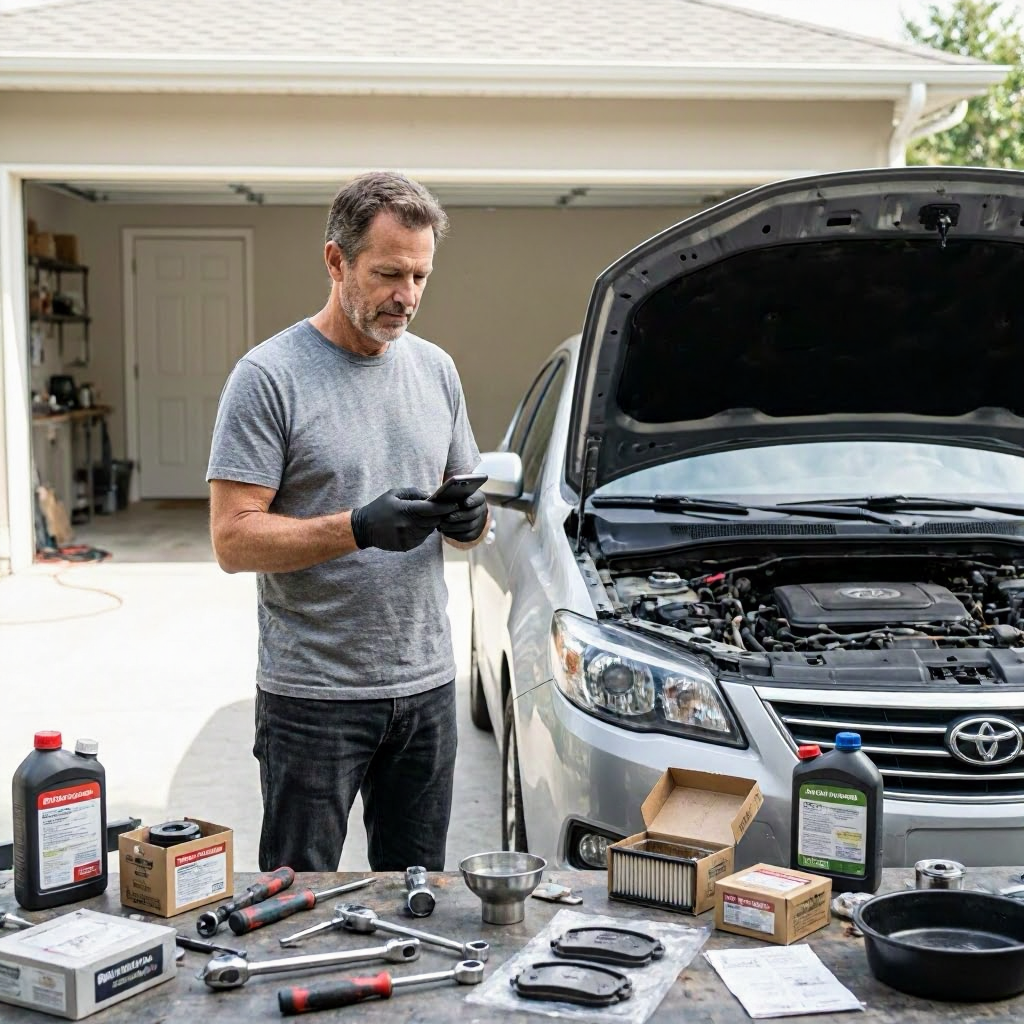
Mistakes that make car maintenance more expensive
Why Car Maintenance Mistakes Hit Your Wallet Hard
Car ownership is a major part of household budgets across the United States, especially with rising fuel prices, insurance rates, and repair bills. For many families, commuters, gig workers, and seniors, transportation eats up 10% to 20% of monthly spending. Simple oversights in maintenance can double or triple those costs over time, turning a $50 fix into a $2,000 engine rebuild.
The good news is most expensive problems stem from preventable mistakes. By spotting these errors early, reviewing your vehicle's service history, and following basic habits, you can lower long-term costs without skimping on safety. This guide covers common pitfalls US drivers face, from routine neglect to poor service choices, with steps to fix them. Focus on your next oil change or tire check to start saving right away.
Think of maintenance as insurance against breakdowns. Track your mileage, keep receipts from shops, and review your odometer monthly. A notebook or free app can log services, helping you avoid repeat issues and negotiate better deals.
Skipping Routine Oil Changes and Filter Replacements
One of the top mistakes that make car maintenance more expensive is delaying oil changes. Oil lubricates your engine, reducing friction and heat. Fresh oil every 3,000 to 7,500 miles, depending on your vehicle, prevents sludge buildup that clogs parts.
Skip it, and worn oil leads to engine wear costing $1,000 or more in repairs. Dirty air or fuel filters starve the engine of clean air or gas, dropping fuel efficiency by 10% and risking injector damage. US drivers often overlook these because "the car runs fine," but early signs like sluggish acceleration mean trouble brewing.
How to avoid this:
- Check your owner's manual for the schedule, typically every 5,000 miles or 6 months.
- Use bank statements or service stickers to track last changes.
- Choose the right oil type (conventional, synthetic blend, or full synthetic) based on your make and model, avoiding cheap generics that break down faster.
- At home, inspect dipstick levels monthly; top off if low, but change professionally if unsure.
Shop around for oil change deals at trusted chains or independents. Compare total costs including filters and disposal fees. Keep receipts to prove service history when selling or trading your car.
Ignoring Tire Pressure and Rotation Schedules
Underinflated tires are a silent budget killer. They increase rolling resistance, raising gas use by up to 3% per 1 PSI below recommended. Worn treads from poor rotation lead to uneven wear, meaning $600 to $1,200 for a new set sooner than needed.
Many US households drive on busy highways or pothole-filled city streets, accelerating tire damage. Skipping rotations every 5,000 to 8,000 miles shifts wear to front tires on front-wheel-drive cars.
Steps to fix:
- Check pressure monthly with a gauge (costs under $10 at auto stores); aim for specs on the driver's door sticker.
- Rotate tires during oil changes to even wear.
- Inspect for cracks, bulges, or low tread (use the penny test: Lincoln's head should not show fully).
- Buy quality tires matching your load and speed ratings, comparing unit prices per mile at tire shops.
Document pressure readings and rotation dates. Proper maintenance extends tire life by 5,000 miles or more, saving hundreds yearly.
Delaying Small Repairs Until They Become Big Problems
Procrastinating on check engine lights or squeaky brakes turns $200 fixes into $2,000 emergencies. A loose belt might snap, stranding you and requiring towing ($100+ average in urban areas).
US drivers often ignore dashboard warnings, thinking "it's not smoking yet." But sensors detect issues early for a reason. Brake pads wearing thin increase stopping distances, risking accidents and higher insurance.
Prevention checklist: 1. Scan codes at auto parts stores (free service) when lights appear. 2. Address vibrations, pulling, or noises immediately. 3. Budget $50-100 monthly for a "repair fund" from statements review. 4. Prioritize safety items: brakes, lights, wipers.
Get multiple quotes before repairs. Ask shops to show worn parts. Keeping a log of ignored warnings helps you stay accountable.
Using the Wrong Fluids or Low-Quality Parts
Topping off with the wrong antifreeze or brake fluid corrodes systems, leading to radiator or master cylinder failures over $500. DIYers grab bargain parts that fail prematurely, voiding warranties.
Manufacturer specs matter: Dex-Cool coolant for GM vehicles, DOT 3 or 4 for most brakes. Off-brand filters or belts wear out twice as fast.
Smart habits:
- Read labels and owner's manual; cross-check at parts stores.
- Stick to OEM or reputable aftermarket (NAPA, Denso) for critical items.
- Flush fluids per schedule: coolant every 30,000 miles, transmission every 60,000.
- Avoid "lifetime" fluids unless verified for your model.
Compare prices online but buy from trusted sources. Receipts prove quality purchases if disputes arise.
Neglecting Battery Maintenance and Electrical Checks
Dead batteries strand 50 million Americans yearly, with replacements $150-300 plus towing. Corrosion on terminals or alternator issues drain power silently.
Cold winters in the Midwest or heat in the Southwest shorten battery life to 2-3 years without checks.
Maintenance tips:
- Clean terminals yearly with baking soda solution.
- Test at parts stores free; replace proactively at 4 years.
- Check alternator output during tune-ups.
- Use a charger for long storage periods.
Log test dates. A healthy battery prevents jump-start fees and roadside assistance calls.
Overlooking Timing Belts, Hoses, and Belts
Serpentine belts cracking lead to overheating or power loss costing $800+. Timing belts snapping on interference engines destroy valves ($2,000+ rebuild).
Schedules: belts every 60,000-100,000 miles, hoses every 4-5 years. Visual checks catch cracks early.
Action plan:
- Squeeze hoses for softness during oil changes.
- Listen for squeals indicating belt slip.
- Replace in kits to save labor.
- Note mileage in your tracker.
Independent shops often charge less than dealers for these.
| Common Maintenance Item | Recommended Interval | What Skipping Costs |
|---|---|---|
| Oil Change | 5,000-7,500 miles | Engine damage $1,000+ |
| Tire Rotation | 5,000-8,000 miles | New tires $600+ early |
| Timing Belt | 60,000-100,000 miles | Engine rebuild $2,000+ |
| Battery Test | Yearly | Replacement + tow $250+ |
| Brake Inspection | Every 12,000 miles | Full system $1,000+ |
Poor Driving Habits That Accelerate Wear
Aggressive acceleration, hard braking, and idling spike fuel and part costs. Jackrabbit starts wear clutches and transmissions $1,500-4,000 to fix.
City commuters average 20% higher maintenance from stop-go traffic. Roof racks or heavy loads increase drag.
Better driving:
- Accelerate smoothly, coast to stops.
- Turn off engine for waits over 1 minute.
- Maintain 55-65 MPH for highway efficiency.
- Remove unused cargo weekly.
Apps track habits; review gas station receipts for trends.
Failing to Stay on Top of Manufacturer Recalls and Updates
Ignoring recalls risks free repairs turning into paid disasters. NHTSA reports millions affected yearly by airbag or brake issues.
US law mandates dealers fix safety recalls at no cost.
Check process:
- Visit safercar.gov, enter VIN.
- Call dealer with VIN ready.
- Log checks yearly.
Combine with state inspections (required in 37 states) for comprehensive reviews.
Choosing the Wrong Mechanic or Service Shop
Loyalty to one shop leads to overcharges. Dealers mark up 20-50% over independents for routine work.
Chain stores push upsells; mom-and-pops vary in skill.
Shop smart:
- Get 2-3 written quotes with parts breakdown.
- Check reviews on BBB.org or Yelp, focusing on recent US locations.
- Ask for ASE-certified techs.
- Decline unnecessary flushes unless documented need.
Join AAA for discounts and towing perks ($50-150/year value).
Attempting DIY Repairs Without Proper Tools or Knowledge
Weekend warriors save short-term but cause $500+ fixes from stripped bolts or misdiagnoses. Wrong torque on brakes risks failure.
Safe DIY: oil, filters, wipers with basic tools.
Limits:
- Research via Haynes manuals or YouTube (verified channels).
- Buy a $50 tool kit; borrow specialty items.
- Know when to stop: transmissions, electronics to pros.
Track DIY successes to build confidence.
Not Keeping Detailed Maintenance Records
Lost receipts mean no trade-in value boost ($500-1,000 less). Warranty claims fail without proof.
Record system:
- Digital folder: photos, scans.
- Spreadsheet: date, mileage, service, cost.
- Odometer stamps at gas stops.
Share with family drivers for consistency.
Skipping Regular Brake and Suspension Checks
Worn pads squeal early; ignoring leads to rotor replacements $400+. Shocks failing make tires wear 20% faster.
Every 12,000 miles: inspect pads (under 3mm), fluid levels.
DIY peek:
- Jack safely, spin wheels for drag.
- Feel for pedal pulsation.
Budget for pads yearly in high-mileage households.
Overlooking Fuel System and Exhaust Maintenance
Dirty injectors drop MPG; cleaning saves $100/year in gas. Rusty exhausts fail emissions, costing $200+.
Additives help mildly; professional clean every 30,000 miles.
Tune-ups every 30,000 include plugs, wires.
Ignoring Climate Control System Servicing
AC freon leaks cost $150 refill yearly, straining compressors ($1,000). Cabin filters clog, reducing efficiency.
Replace cabin filter yearly ($20 DIY).
How to Build a Realistic Car Maintenance Budget and Plan
Review last year's repair bills from statements. List essentials: oil, tires, brakes.
Sample monthly allocation for 12,000-mile driver:
- $50 routine fund.
- $25 unexpected.
Set calendar reminders for intervals. Use free NHTSA apps for VIN alerts.
Compare insurance for safe driver discounts post-habits change.
| Expense Category | First Check Point | Savings Step |
|---|---|---|
| Tires/Alignment | Door sticker PSI | Monthly gauge check |
| Brakes/Fluids | Pedal feel | Annual inspection |
| Fluids/Belts | Visual monthly | Kit replacement |
| Battery/Electrical | Terminal corrosion | Free store test |
| Engine/Oil | Dipstick level | Sticker tracking |
Tracking Your Savings and Avoiding Scams
After changes, note MPG from pump math, repair avoidance. Expect 10-20% lower costs long-term with consistency.
Beware scam shops pushing "lifetime flushes" or fake diagnostics. Verify via FTC.gov scam alerts. Always get itemized bills.
For assistance, contact 211 for local low-income programs or energy.gov for efficiency tips.
Review quarterly: statements, log, odometer. Adjust for seasons (winter batteries, summer AC).
By dodging these mistakes, US households stretch car budgets without unsafe shortcuts. Start with one check today, like tire pressure, for immediate wins.

About the TDL Expert Panel
TDL Expert Panel · TheDigitalLife Editorial Team
TDL Expert Panel is the editorial team behind TheDigitalLife. The team researches, reviews, and creates practical guides to help everyday readers make better decisions about home repair costs, refunds, AI tools, digital safety, productivity, and useful online resources. Each guide is written to be clear, useful, and easy to understand.