Mistakes that make car insurance more expensive
Why Car Insurance Costs More Than It Should
Car insurance is one of the largest recurring bills for most U.S. households, often running $1,500 to $2,500 a year depending on location, driving history, and coverage. Many drivers pay hundreds extra without realizing it due to simple oversights. These mistakes build up over time, turning a necessary expense into a budget strain.
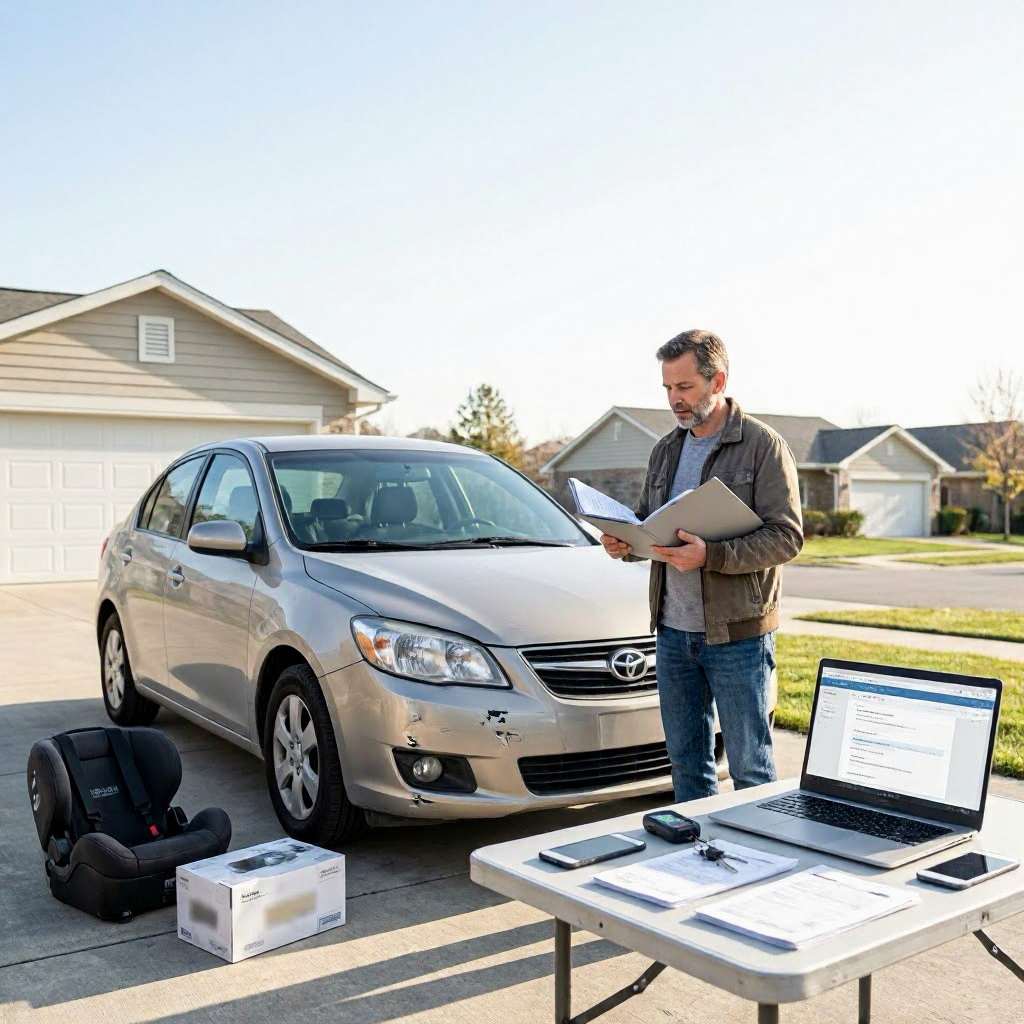
The good news is most can be fixed with a quick policy review and a few changes. Start by pulling your latest renewal notice or declaration page, which lists your coverages, premiums, and discounts. Compare it against quotes from other insurers to spot issues. This article covers the top mistakes that inflate premiums and practical steps to lower yours without dropping essential protection.
Mistake 1: Never Shopping Around for Better Rates
Insurers raise rates on existing customers more often than for new ones, a practice called the loyalty penalty. You might stay with your current company for convenience, but rates can climb 20% to 40% higher than what newcomers pay for similar coverage.
Auto insurance is competitive, with companies like Geico, Progressive, and State Farm frequently undercutting each other. Sticking with one provider for years means missing these shifts.
How to Fix It
- Get fresh quotes every 6 to 12 months. Use online tools from multiple insurers or comparison sites like The Zebra or Insurify, but always verify quotes directly with the company.
- Shop before renewal. Mark your calendar 30 days before your policy ends to avoid rushed decisions or coverage gaps.
- Compare apples to apples. Match limits for liability, collision, comprehensive, deductibles, and add-ons like roadside assistance.
- Keep records of quotes, including agent names and dates, in case of disputes.
Switching is straightforward in most states, but check for cancellation fees. Time it right to overlap new coverage by a day, preventing lapses that spike future rates.
Mistake 2: Ignoring How Credit Affects Your Premium
In 43 states, insurers use your credit-based insurance score to set rates. A lower score can mean 50% higher premiums because data shows it correlates with higher claim likelihood. Even if your driving record is clean, poor credit hurts.
This isn't about your FICO score for loans; it's a separate metric insurers create from payment history, debt, and collections.
How to Fix It
- Check your insurance score. Ask your insurer how they calculate it or use services like LexisNexis for a free report (search their site for "consumer disclosure").
- Improve it gradually. Pay bills on time, reduce credit card balances below 30% utilization, and fix errors on reports from Equifax, Experian, or TransUnion.
- Opt out where possible. California, Hawaii, Massachusetts, Michigan, Oregon, Utah, and parts of others don't allow credit scoring, confirm with your state insurance department.
- Review your policy annually; scores update periodically.
Building credit takes months, but it pays off across insurance and other bills.
Mistake 3: Carrying Coverage You Don't Need
Many drivers keep full coverage on older cars worth less than their deductible. If your vehicle is paid off and valued under $4,000, dropping collision and comprehensive might save hundreds yearly without much risk.
Conversely, skimping on liability leaves you exposed to lawsuits, especially with U.S. minimums as low as $10,000 per person in some states.
How to Check and Adjust
- Value your car. Use Kelley Blue Book or NADA Guides for current market value by VIN, mileage, and condition.
- Review state minimums. Every state requires liability; add uninsured motorist if rates are high in your area.
- Talk to your agent. Ask, "Does this coverage match my needs?" Get written quotes for changes.
- Weigh risks. Keep comprehensive for flood-prone areas or theft hotspots; drop it elsewhere.
Document changes and shop quotes post-adjustment, some insurers reward streamlined policies.
Mistake 4: Failing to Bundle Policies
Not combining auto with home, renters, or other insurance misses multi-policy discounts, often 10% to 25% off. U.S. households with multiple policies save by centralizing.
Standalone auto policies cost more because bundling spreads administrative costs.
Steps to Bundle Smartly
- List your policies. Note current providers for home/renters, life, or umbrella.
- Request bundle quotes. Call your home insurer first, they might match auto rates.
- Compare total savings. Factor in any loyalty perks from your current setup.
- Avoid long-term contracts; review annually.
If bundling doesn't fit, ask about other groupings like auto + motorcycle.
Mistake 5: Overlooking Available Discounts
Insurers offer discounts for safe driving, low mileage, good students, and more, but you must qualify and claim them. Up to 30% of drivers miss multi-discount combos.
Common ones include defensive driving courses, anti-theft devices, or paying in full.
Common Discounts to Ask About
| Discount Type | General Eligibility Example |
|---|---|
| Good Driver/Safe | No accidents or tickets in 3-5 years |
| Low Mileage | Under 7,500-10,000 miles annually |
| Good Student | B average or higher for teens/full-time students |
| Multi-Car | Insuring 2+ vehicles on one policy |
| Defensive Driving | Completed state-approved course (often online) |
| Anti-Theft/PMS | Factory alarms or Passive Monitoring Systems |
| Paid-in-Full | Annual payment vs. monthly |
| Bundled Policies | Auto + home/renters |
- Verify eligibility. Provide proof like transcripts or mileage logs.
- Reapply yearly. Discounts lapse if conditions change.
- Usage-based options. Programs like Progressive Snapshot or Allstate Drivewise track habits for potential savings, opt in cautiously if you drive predictably.
Call your agent or log into your account; list expires or unclaimed ones.
Mistake 6: Adding Unnecessary Drivers to Your Policy
Listing household members who rarely drive inflates risk and premiums. Each added driver undergoes underwriting, raising rates based on their record.
Teens or relatives with violations cost most.
How to Trim the List
- Audit household drivers. Remove infrequent ones; they can get non-owner policies if needed.
- Exclude risky drivers. Most policies allow naming exclusions for spouses/kids, confirm it doesn't void household coverage.
- Teen driver tips. Delay licensing, seek good student discounts, or usage-based tracking.
Update after moves or life changes; get confirmation in writing.
Mistake 7: Allowing Coverage Lapses
Even a 30-day gap flags you as high-risk, leading to surcharges for years. Lenders require continuous proof for financed cars.
Job changes or payment issues cause most lapses.
Prevent and Fix Lapses
- Set reminders. Use bank alerts or apps for due dates.
- Pay early or automate. Switch to ACH from your bank.
- Shop SR-22 if needed. High-risk policies cost more, improve habits to exit.
- Check your CLUE report via LexisNexis for lapse history.
Continuous coverage keeps rates stable.
Mistake 8: Choosing or Keeping High-Risk Vehicles
Sports cars, luxury models, or those with poor safety ratings cost more to insure due to repair costs and theft appeal. Switching to a safer, cheaper-to-fix car like a Honda Civic can drop premiums significantly.
Evaluate Your Vehicle
- Check insurance costs pre-purchase. Get quotes by VIN for new/used cars.
- Prioritize safety. IIHS Top Safety Picks often qualify for discounts.
- Trade-down wisely. Sell high-maintenance rides if payments exceed insurance savings.
For current owners, garaging in low-theft areas helps.
Mistake 9: Paying Monthly Instead of Annually
Monthly payments add service fees of $5 to $20 per bill, totaling $60 to $240 yearly. Paying upfront earns discounts and avoids interest.
Switch to Save
- Budget for annual. Divide premium by 12, save in a high-yield account.
- Ask for plans. Some offer every-6-months.
- Confirm no prepay penalties.
Mistake 10: Not Updating After Life Changes
Marriage, kids, moves, or empty-nesting change risk profiles. Moving from urban Philly to rural Pennsylvania might cut rates 30%.
Key Triggers to Review
- Address/commute changes.
- Household size shifts.
- Job loss (low-mileage eligibility).
- Retirement (mature driver discounts).
Notify within 30 days; get new quotes.
Mistake 11: Tolerating Poor Driving Habits
Tickets, accidents, or DUIs stay on records 3 to 10 years, hiking rates 40% to 100%. Speeding or distracted driving adds up.
Clean It Up
- Take courses. State-approved ones remove points (e.g., Florida's 4-hour basic).
- Defensive driving. Often online for $20-40, qualifies for discounts.
- Safe apps. Telematics prove habits without violations.
- Appeal tickets if valid defenses exist.
Track via DMV record.
Mistake 12: Sticking with Low Deductibles
$500 deductibles cost more than $1,000 ones, as premiums reflect expected payouts. Raising it saves if you have emergency savings.
Adjust Safely
- Build a fund. Aim for 3-6 months expenses.
- Test scenarios. Quote $500 vs. $1,000/$2,500.
- Balance with assets, don't risk lawsuits.
Steps to Audit and Lower Your Premium Today
Pull statements and follow this checklist:
- Log into your insurer account for full details.
- List coverages, deductibles, drivers, discounts.
- Get 3-5 quotes matching your setup.
- Ask current agent: "What discounts am I missing? Can we adjust?"
- Note changes in writing; monitor first bill post-update.
- Review bank statements for unauthorized charges.
Quick Comparison Table: Mistake vs. First Fix
| Common Mistake | First Action to Take |
|---|---|
| No shopping around | Get 3 quotes online today |
| Poor credit | Request insurance score report |
| Unneeded coverage | Value car on KBB.com |
| No bundling | Quote auto + home together |
| Missed discounts | Call agent, list types from table above |
| Extra drivers | Audit household needs |
| Coverage lapse | Set payment alerts |
| High-risk car | Quote safer model |
| Monthly payments | Ask for annual option |
Watch for Scams and Pressure Tactics
Fake agents push unnecessary add-ons via cold calls. Verify through your state insurance department site (naic.org for links). Avoid "guaranteed low rates" without quotes.
Check FTC.gov or consumerfinance.gov for complaint tips. Never pay via wire or gift cards.
Track Your Savings Long-Term
After fixes, note old vs. new premiums monthly. Re-audit every renewal. Small changes compound, many U.S. drivers save $300-600 yearly.
Keep declaration pages, quotes, and emails. If rates jump unjustly, file with your state DOI.
Lower insurance frees budget for emergencies or fun, without skimping on protection. Start with one mistake today.

About the TDL Expert Panel
TDL Expert Panel · TheDigitalLife Editorial Team
TDL Expert Panel is the editorial team behind TheDigitalLife. The team researches, reviews, and creates practical guides to help everyday readers make better decisions about home repair costs, refunds, AI tools, digital safety, productivity, and useful online resources. Each guide is written to be clear, useful, and easy to understand.