
Mastering the Future: High-Impact Skills for Your 2026 Career Growth
The professional world is changing faster than ever. New technology emerges constantly, and it's easy to feel left behind. But mastering the future isn't about chasing every new trend.
This guide helps you make sense of the shift. We'll break down the high-impact skills that will matter most by 2026. You'll learn how to focus your learning on areas that offer long-term stability and higher earning potential, moving from a reactive to a proactive career strategy.
The goal is to build a 'skill stack' that works with technology, not against it. It's about combining technical knowledge with the human skills machines can't replicate. Let's explore how to prepare for a future where you are indispensable.
To thrive in the 2026 job market, focus on building a balanced 'skill stack.' This means developing technical abilities like AI orchestration and cybersecurity literacy alongside essential human-centric skills like emotional intelligence and critical thinking. The most important single skill is adaptability, or a high 'Learning Quotient' (LQ), which allows you to quickly absorb new information and unlearn old habits.
Why Skill Selection Matters - Dominant Technical Skills fo
- Why Skill Selection Matters
- Dominant Technical Skills for 2026
- The Resurgence of Human-Centric Skills
- Ethical Governance and Sustainability
- Building a Practical Learning Plan
- Frequently Asked Questions
This table summarizes the key concepts for planning your skill development, framed as practical considerations.
Item | Detail ---|--- Focus Area | Building a versatile 'T-Shaped' skill profile. Time Investment | Micro-learning (30 mins/day) and quarterly skill audits. Learning Approach | 'Just-in-time' learning for immediate next projects. Best Practice | Demonstrating soft skills through 'Proof of Work' stories. Core Goal | Blend technical proficiency with human qualities like empathy.
Start with a Skill Audit: Every quarter, list your top
- Start with a Skill Audit: Every quarter, list your top five skills and ask if a machine could do them better or if they are transferable to another industry.
- Avoid Burnout: Use micro-learning. Dedicate just 30 minutes a day to a specific skill rather than trying to master everything at once.
- Build Your Network: Focus on digital community building through niche online groups, as many opportunities never appear on public job boards.
- Choose Your Learning Path: Prioritize understanding foundational logic over memorizing specific tools, which can become obsolete quickly.
This table organizes the core skills and practical steps you should prioritize for your 2026 career growth.
Main customer question | Best first contact/action | Important concepts | Core competencies needed ---|---|---|--- What technical skills will matter most? | Start experimenting with low-code automation tools. | AI Integration, Cybersecurity Literacy, Data Storytelling | AI Orchestration, Zero-trust fundamentals, Narrative Design What human skills should I develop? | Practice active listening and problem reframing in your current role. | Emotional Intelligence (EQ), Critical Thinking | Empathy in remote teams, First-principles thinking, Bias awareness How do I specialize without becoming obsolete? | Adopt the 'T-Shaped' professional model. | Deep expertise in one area, Broad understanding of others | Cross-sector skill portability, Interdisciplinary agility How do I keep up without burning out? | Implement a daily micro-learning habit. | 'Just-in-time' learning, Cognitive load management | Dedicated 30-minute sessions, Deep work practices
When investing in your skills, think of cost in terms of time, money, and effort. The highest return comes from skills that solve widespread business problems, like data security or workflow automation. These directly impact a company's bottom line and command higher salaries.
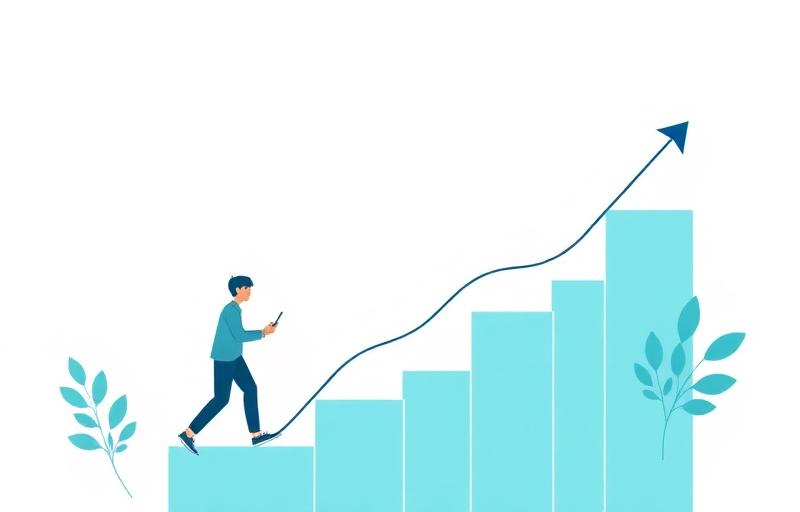
Average Cost: Your primary investment is time. The most strategic approach is 'micro-learning,' dedicating just 30 minutes a day to focused skill development.
Before committing to expensive bootcamps, assess the market demand for a skill. Focus on learning evergreen foundations rather than specific tools that may be obsolete in six months. This ensures your investment pays off over the long term. The versatility of a skill also matters; skills like data analysis are valuable across healthcare, finance, and creative industries, giving you a safety net.
In skill development, 'DIY' means self-guided learning, while 'Pro Service' could represent formal education or expensive bootcamps.
DIY (Self-Guided Learning) is usually safe and effective if:
- You are learning foundational concepts or exploring a new field.
- You use a 'just-in-time' approach, learning skills for your immediate next project.
- You are disciplined enough to maintain a consistent micro-learning schedule.
- You are leveraging free or low-cost resources like tutorials and community forums.
You should consider a more structured 'Pro' path if:
- You need recognized certifications for a regulated field.
- You learn best with instructor-led guidance and structured curricula.
- You are making a complete career pivot and need comprehensive, accelerated training.
- The cost of the program is justified by a clear and immediate boost in earning potential.
For career guidance and skill development, your first point of contact should be your own professional network. In 2026, strategic networking is about digital community building.
Best First Contact: Engage with niche Discord servers, professional DAOs (Decentralized Autonomous Organizations), or localized mastermind groups. These communities often share unadvertised opportunities and valuable insights.
Look for online communities related to your target skills, such as data visualization, ethical AI, or remote team management. Participating actively in these groups is more effective than passively waiting for opportunities. Your network, built through genuine contribution, remains your most valuable asset for discovering your next role or project.
For skill development, your main resources are learning platforms and official tool documentation. While the source does not list specific brands, it references categories you should explore.
Focus on the official documentation and learning centers for tools mentioned, like PowerBI, Tableau, Python, Zapier, or Make. For understanding broader concepts like ESG (Environmental, Social, and Governance) or Ethical AI protocols, seek out whitepapers and guidelines from established industry consortiums and non-profit organizations focused on technology ethics.
In the context of skill development, think of your 'warranty' as the ongoing relevance and marketability of your skills. To protect your investment, you need a regular maintenance plan.
- Perform a Quarterly Skill Audit. List your top five current skills.
- Assess Each Skill. Ask two questions: "Can a machine do this better?" and "Is this skill transferable to an industry outside my current one?"
- Identify Gaps. Based on your audit, note which skills need updating, deepening, or replacing.
- Take Corrective Action. Allocate your weekly micro-learning time to address the most critical gaps you identified.
- Document Your 'Proof of Work.' Keep a record of projects, case studies, or outcomes that demonstrate your applied skills, especially soft skills like leadership.
State-Specific or Local Checks
For career growth, your "local checks" involve understanding the specific demands of your regional job market and industry vertical. While skills like data analysis are portable, their application differs.
Research which industries are growing in your area (e.g., HealthTech, Green Energy, Fintech). Tailor your broad skill learning to include terminology and use cases relevant to those local sectors. This makes your versatile skill set immediately applicable and attractive to employers in your region.
Before you pay for any course, bootcamp, or certification, ask these questions to ensure a good return on investment.
- What is the concrete job market demand for this specific skill right now?
- Does this program teach foundational concepts or just how to use a specific tool?
- What is the career placement rate or success stories of past graduates?
- Can the skills learned here apply to industries outside of my current one?
- Does the cost of this program align with the potential salary increase it could bring?
Watch for these warning signs when planning your skill development path.
- Focusing on a single, highly specific tool rather than the underlying foundational skill.
- Ignoring the 'S' and 'G' in ESG (Social and Governance), as ethical and sustainable practices are becoming critical.
- Believing networking is only about in-person conferences and ignoring digital community building.
- Trying to master a huge topic all at once, which leads to burnout instead of consistent progress.
- Assuming hyper-specialization in one narrow niche is a safe long-term strategy without a broad base of supporting knowledge.
Practical Step-by-Step Guidance
Follow these actionable steps to build your 2026 skill stack effectively.
- Conduct Your Initial Audit. Today, write down your five most-used professional skills. Answer the two audit questions for each.
- Choose One Foundation. Based on your audit, pick one foundational area to improve, like data storytelling or emotional intelligence.
- Schedule Micro-Learning. Block 30 minutes in your calendar each day this week for focused learning on that topic.
- Experiment Practically. For technical skills, start a small project. Use a low-code tool to automate a simple task. For human skills, practice active listening in your next three meetings.
- Join a Community. Find one online forum or group related to your chosen skill and introduce yourself or ask a question this week.
- Plan Your Quarterly Check-In. Set a reminder in three months to repeat the skill audit process.
Frequently Asked Questions
Which skill will be the most important in 2026? While technical skills are vital, 'Adaptability' or a high 'Learning Quotient' (LQ) is considered the most important. The ability to unlearn old habits and quickly absorb new technologies will define career success more than any single certification.
Do I need to learn how to code to survive in 2026? Not necessarily. While basic coding literacy is an advantage, the rise of 'No-Code' and 'Low-Code' platforms means you can build applications visually. It's more important to understand the logic of how software works than to memorize syntax.
How can I keep up with the pace of change without burning out? Focus on 'micro-learning.' Instead of trying to master everything at once, dedicate 30 minutes a day to a specific niche. Use a 'just-in-time' learning approach, learning skills for your immediate next project.
What are 'Cognitive Load' management skills? This is the ability to filter and prioritize the massive influx of daily information. It involves deep work practices and using tools to enhance focus, allowing you to concentrate on high-impact tasks.
Is specialization better than being a generalist in 2026? The 'T-Shaped' model is the winner. Have one deep specialization while maintaining a broad understanding of related fields. This offers both expertise and flexibility.
How do I demonstrate my 'soft skills' to potential employers? Demonstrate them through your 'Proof of Work.' Share specific stories or case studies of how you handled a team crisis or mentored a colleague. Soft skills are best displayed in the context of hard results.
This article is based on professional development analysis focused on the 2026 landscape. It references concepts like AI orchestration, the T-shaped model, and ESG criteria.
For verification, always re-check the current demand for any skill using multiple job market platforms. Official tool documentation (for platforms like Tableau, PowerBI, etc.) is the best source for technical learning. Industry trends change rapidly, so use this guide as a strategic framework, not a fixed list.
Mastering your career growth is an ongoing process. The strategies outlined here provide a roadmap, but your path will be unique. Always verify the relevance of specific skills against your local job market and industry trends.
Your most sustainable advantage is a commitment to continuous, mindful learning. Start with a simple audit of your current skills and take one small step today. Your future professional self will thank you for the investment.

About the TDL Expert Panel
TDL Expert Panel · TheDigitalLife Editorial Team
TDL Expert Panel is the editorial team behind TheDigitalLife. The team researches, reviews, and creates practical guides to help everyday readers make better decisions about home repair costs, refunds, AI tools, digital safety, productivity, and useful online resources. Each guide is written to be clear, useful, and easy to understand.