
Mastering the Future: A Comprehensive Guide to Modern Skill Development
Skill development is about more than just your job title. It’s the practical process of identifying what you don’t know and taking steps to learn it. In today’s fast-changing world, this ability to learn is your most important tool for staying relevant at work and securing your future.
We’ve moved beyond the time when one degree or skill set lasted a career. Technology evolves every few months, and the skills you have today may lose their value in just a few years. This guide will help you understand why skill building matters and provide a clear, practical strategy for doing it effectively in your own life.
The goal is to shift from a fixed mindset, where you believe your abilities are set, to a growth mindset. In a growth mindset, every challenge is a chance to expand what you can do. This guide will show you how to start that journey.
Skill development is the active process of acquiring new abilities and refining existing ones to stay relevant in your career. It is crucial because the half-life of a learned skill is now only about five years, meaning much of what you know today could be outdated soon. By adopting a strategic approach to learning, you can build career security and increase your earning potential.
The Real-World Importance of Skill Building - Strategic Ap
- The Real-World Importance of Skill Building
- Strategic Approaches to Learning
- Soft Skills: The Untouchable Asset
- Creating a Sustainable Learning Habit
- Frequently Asked Questions
- Sources and Verification Notes
This article focuses on strategies and mindsets for personal and professional development. It does not cover specific commercial services, costs, or contacts, as the subject is about building your own capabilities.
Focus on developing a mix of timeless soft skills and emer
- Focus on developing a mix of timeless soft skills and emerging technical skills relevant to your industry.
- Use peer comparison and feedback from mentors to identify the most valuable skills to learn.
- Create a sustainable learning habit by using micro-learning and time-blocking in your schedule.
- Invest most of your energy in doubling down on your strengths, not just fixing weaknesses.
- Quantify progress in soft skills by tracking real-world outcomes, like being asked to lead more meetings or resolving team conflicts faster.
| Main Customer Question | Best First Contact | Important URLs |
|---|---|---|
| How do I know which skills to learn? | Self-audit, industry job boards, mentors. | Professional networking platforms like LinkedIn and specialized industry newsletters. |
| How do I find time to learn? | Your own calendar for time-blocking. | High-quality online learning platforms and resources. |
| How do I track soft skill progress? | Personal "win journal," 360-degree feedback tools. | N/A |
Skill development is an investment of your time and energy, not a purchased service. The primary "cost" is the time you dedicate to learning. The return on this investment is increased career security, higher earning potential, and professional longevity.
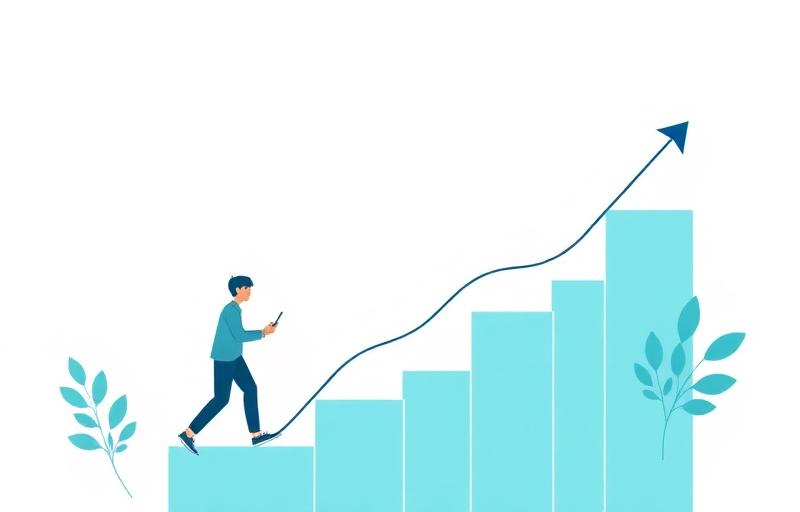
Effective learning does not require expensive courses. It requires a consistent strategy. The most valuable resources are often free or low-cost, such as professional webinars, online forums, and utilizing your existing network for mentorship.
In the context of skill development, the "DIY" approach is the only path. You are building your own capabilities.
- Tools/Skills Needed: Self-discipline, a growth mindset, access to learning resources (books, online courses, podcasts), and a method for tracking progress.
- When It's Appropriate: Skill development is always a self-directed activity. You can seek guidance from mentors or coaches (the "pro" service), but the actual learning must be done by you.
- Primary Risk: The main risk is burnout from trying to balance work, life, and constant learning without a sustainable plan. Another risk is "productive procrastination"-learning interesting but low-impact skills instead of those that will advance your career.
Call a Pro If: You feel stuck and need structured guidance. A career coach or mentor can act as your "licensed professional" to help you strategize.
For guidance on skill development, your first points of contact should be within your own professional sphere and industry.
- Your Manager or Mentor: Ask for specific feedback on the skills that would make you more effective.
- High-Performing Peers: Observe what tools and methods they use successfully.
- Professional Networks: Join industry organizations, online forums, or attend webinars to connect with others on a similar path.
- Industry Thought Leaders: Follow experts on professional platforms to understand emerging trends.
This guide is focused on personal development strategy. For specific learning resources, you should seek out official platforms for online education, professional certification bodies relevant to your field, and reputable industry associations. Always verify the credibility of any learning platform or coach before investing time or money.
Skill development does not have a warranty or refund process. Your progress is the direct result of your effort and strategy. If you invest in a paid course or program, you must follow that specific provider's refund policy, which will require your receipt and proof of purchase.
State-Specific or Local Checks
There are no state or local agencies for personal skill development. However, if you are pursuing a licensed profession (e.g., electrician, nurse, real estate agent), you must check with your state licensing board for continuing education requirements. Always verify these official requirements directly with the board.
If you are considering paying for a course, certification, or coaching service, ask these questions:
- What is the specific, measurable outcome this program promises?
- Can you provide testimonials or case studies from past participants?
- What qualifications do the instructors or coaches have in the practical application of this skill?
- Is there a free trial, sample module, or money-back guarantee?
- How does this program help me apply what I learn directly to my current job or goals?
Be cautious of any program or resource that exhibits these warning signs:
- Promises mastery of a complex skill in an unrealistically short time.
- Lacks clear information about the instructor's real-world experience.
- Pressures you to sign up immediately with a "limited time" discount.
- Has no community, forum, or method for asking questions.
- Focuses only on theory without any practical application or projects.
- Makes guarantees about specific salary increases or job placements.
Practical Step-by-Step Guidance
Follow these steps to build an effective skill development plan.
- Perform a Skill Audit: Identify your gaps. Look at job descriptions for roles you want, observe high-performers, and ask your manager for one technical and one soft skill to improve.
- Prioritize One Skill: Choose the single skill that will have the highest impact on your current role or desired career path. Avoid trying to learn everything at once.
- Choose Your Method: Find high-quality resources. This could be a reputable online course, a book, a podcast series, or finding a mentor.
- Schedule Learning Time: Use time-blocking. Put a 45-minute "Deep Work" block on your calendar two times a week. Treat this time as a non-negotiable appointment.
- Apply Active Recall: After each learning session, close your materials and write down the three most important takeaways. This forces your brain to retain the information.
- Seek Application: Immediately look for a way to use the new skill in a real-world task, no matter how small. Application is what turns knowledge into competence.
- Build a Network: Join one online forum or local meetup related to your new skill. Engaging with a community provides support and accountability.
Time-Blocking Tip: Even 30 minutes a day of focused learning leads to significant progress over a year. You don't 'find' time, you 'make' it.
Frequently Asked Questions
How do I know which skills will be relevant in five years? Focus on timeless soft skills like critical thinking and adaptability, plus emerging technical trends in your field. Monitor senior-level job boards and follow industry thought leaders. If you see a specific tool in 60% of job postings, it's time to learn it.
Is it better to be a generalist or a specialist? The most successful professionals are T-shaped. They have deep expertise in one area (specialist) combined with a broad understanding of related fields (generalist). This makes you both an expert and an effective collaborator.
How can I find time to learn while working full-time? Utilize micro-learning and time-blocking. Break learning into small chunks. Pair it with existing habits, like listening to a podcast during your commute. Dedicated, short sessions are more effective than occasional long ones.
What if I feel I'm starting too late in my career? Skill development has no expiration date. Seasoned professionals often learn faster because they can connect new information to their existing experience. Upskilling at mid-career is common and can lead to rewarding new opportunities.
Should I focus on my weaknesses or double down on my strengths? Reach a level of "functional competence" in key weaknesses so they don't hold you back. However, spend 80% of your energy doubling down on your strengths. Mastery in one area is usually more valuable than being average in many.
How do I quantify my progress in soft skills? Look for real-world proxies. Are you being asked to lead more meetings? Do team conflicts resolve faster when you're involved? Use a personal "win journal" to document times your communication or leadership led to a positive outcome.
The primary information in this article is based on established principles of adult learning, professional development, and career strategy. The concept of the "half-life of skills" and "T-shaped" profiles are widely recognized in human resources and management literature.
While the strategies are broadly applicable, you should always:
- Re-check the specific continuing education requirements for any licensed profession with your state licensing board.
- Verify the credibility and current reviews of any online learning platform or coach before enrolling.
- Confirm that a specific certification is recognized and valued within your target industry by talking to hiring managers or peers.
Your ability to learn and adapt is your greatest professional asset. This guide provides a framework, but your commitment turns it into results. Start small, stay consistent, and remember that growth is a continuous process, not a one-time event.
Final Tip: The best investment you can ever make is in your own capability. Begin today by identifying just one skill that could transform your output this month.

About the TDL Expert Panel
TDL Expert Panel · TheDigitalLife Editorial Team
TDL Expert Panel is the editorial team behind TheDigitalLife. The team researches, reviews, and creates practical guides to help everyday readers make better decisions about home repair costs, refunds, AI tools, digital safety, productivity, and useful online resources. Each guide is written to be clear, useful, and easy to understand.