
Mastering the Digital Classroom: A Complete Beginner’s Guide to Online Learning
Embarking on an online learning journey is an exciting step toward personal and professional growth. With so many courses and platforms available, it can be hard to know where to begin. This guide is designed for anyone taking their first online course, demystifying the process from start to finish. We'll walk you through choosing a course, setting up for success, and building the habits you need to thrive.
You'll learn that online education is a flexible and powerful tool for modern life. By understanding what to expect and how to prepare, you can transform any quiet corner of your home into a dynamic classroom. Let's get started.
Online learning requires active self-direction and basic web skills, differing from traditional classrooms where the instructor sets the pace. Success hinges on creating a dedicated study space, managing your time proactively, and engaging with the course community. Start with a short, interesting course to build confidence and learn the format.
What to Expect as a Beginner - Choosing Your First Course
- What to Expect as a Beginner
- Choosing Your First Course with Confidence
- Creating Your Learning Environment
- Engaging with the Online Community
- Advanced Strategies for Long-Term Success
- Common Online Learning FAQs
| Item | Detail |
|---|---|
| Typical Cost | Varies; many high-quality free courses exist. Paid courses offer structured paths and certificates. |
| Best First Contact | Platform support via course Q&A, discussion forums, or teaching assistants. |
| Main Safety Warning | Beware of courses with "Outdated content," "Broken video links," or "Unresponsive support." |
| When to call a licensed professional | Not applicable to online learning. For technical or learning support, use platform-provided resources. |
Who should I call first
- Who should I call first? Use the course's built-in support, such as Q&A sessions, forums, or teaching assistants.
- What will it cost? Costs vary. You can find excellent free instruction, but paid courses often provide more structure and verifiable certificates.
- What are the warning signs? Red flags in reviews include reports of outdated content, broken links, and unresponsive support.
- When should I avoid DIY? "DIY" is the norm in online learning. The key is knowing when to seek help from the course community or instructors.
| Question | Detail |
|---|---|
| Main customer question | How do I succeed in my first online course? |
| Best first contact | Course discussion forums, Q&A sessions, and platform support. |
| Estimated cost range | Free to hundreds of dollars, depending on the course and certificate. |
| Important URLs | Platform websites like Coursera, edX, Udemy, Khan Academy, LinkedIn Learning. |
| Safety warning | Vet courses carefully; avoid those with reviews citing outdated material or technical issues. |
The cost of online learning varies widely. You can access world-class instruction for free on platforms like Khan Academy or through various YouTube channels. These are excellent for exploring a subject without financial commitment.
Paid courses, often on platforms like Coursera, edX, Udemy, or LinkedIn Learning, typically range from tens to hundreds of dollars. The higher cost usually provides a more structured learning path, graded assignments, and a verified certificate you can share with employers. Professional certificates, like Google Career Certificates, are a specific type of paid program designed for career advancement.
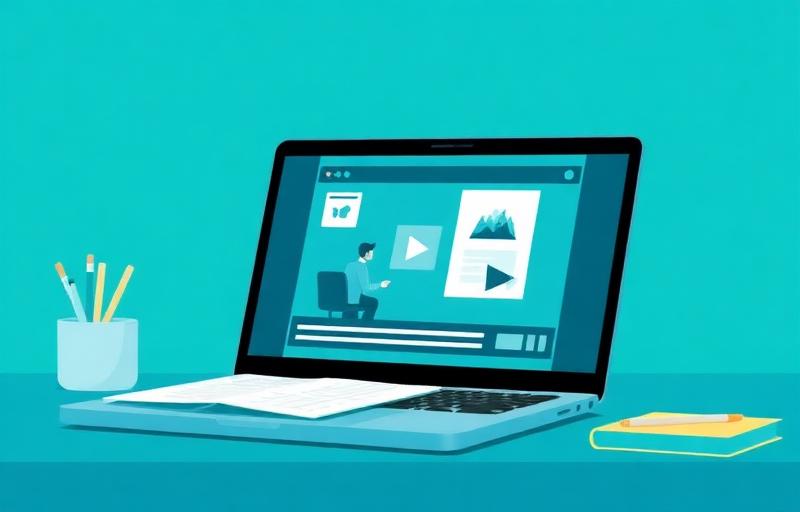
Average Cost: Excellent free options exist. Paid courses for certificates typically range from $50 to a few hundred dollars.
Your time is also an investment. A professional certificate might require 10 hours a week, while a hobbyist course may only need two. Be realistic about the time you can commit before enrolling.
In online learning, you are always the "DIY" learner. The entire model is built on self-guided education. The "pro service" equivalent is the support system built into the course.
DIY (Self-Guided Learning) is the standard approach. It is safe and effective if you have the basic skills: web browsing, time management, and internal motivation. The tools you need are a computer or tablet and a stable internet connection.
You should seek "pro" help-meaning course instructor or community support-when you are stuck on a concept, need technical assistance, or feel your motivation dipping. Reaching out on discussion boards or to teaching assistants is a sign of a diligent student. There is no warranty risk, but not engaging with support can risk your completion of the course.
Your first point of contact should always be the resources provided by the course itself. If you have a question about the material or an assignment, post it in the course discussion forum. Your peers or teaching assistants often provide quick, helpful answers.
For technical issues with the platform (like video playback or quiz submission), check the platform's help center or support contact information. If you need motivation or are struggling with the pace, connect with an accountability partner from the course forums or a friend.
Online learning is facilitated through educational platforms. Official contacts are their websites and support channels. Notable platforms mentioned include:
- Coursera
- edX
- Udemy
- LinkedIn Learning
- Khan Academy
These platforms host the courses and provide the structure for learning. For specific course content issues, contact is managed through the course's own Q&A and forums. There are no government agencies or state boards to contact for standard online course support.
Online courses do not have a traditional "warranty," but most platforms have refund policies. Steps for seeking a refund or resolving issues typically involve: 1. Review the platform's refund policy before you purchase. Policies often require action within a certain number of days. 2. Gather your proof of purchase, such as the order confirmation email or invoice. 3. Contact the platform's customer support directly through their official website or help center, providing your proof of purchase and a clear reason for the request. 4. For course content issues, first flag the problem in the course forums or to the instructor, as some issues can be resolved without a refund.
State-Specific or Local Checks
There are generally no state or local agencies to check for standard online learning courses. Your verification should focus on the course provider and platform. Check the accreditation of the institution offering a certificate if that is important for your goals. For professional licensing that requires specific educational credits, always verify with your state's licensing board that the online course will be accepted before you enroll and pay.
Before you enroll in a paid course, ask these questions: - W
Before you enroll in a paid course, ask these questions:
- What is the refund policy and deadline?
- Does this certificate hold weight in my industry or with my target employers?
- Are the teaching assistants or instructors active in the forums?
- Can I preview the instructor's teaching style?
- Is the software or content version current? (Crucial for tech subjects)
- How much time per week is realistically required?
Watch for these warnings, often found in course reviews: - R
Watch for these warnings, often found in course reviews:
- Reviews stating "Outdated content/software versions."
- Reports of "Broken video links or unresponsive support."
- Feedback that the "Material too basic for the advertised level."
- An instructor's communication style (seen in previews) that you find grating or unclear.
- A complete lack of reviews or engagement on the course discussion board.
Do Not Ignore: Reviews that mention broken links or absent support. These indicate a poorly maintained course.
Practical Step-by-Step Guidance
Follow these steps to start your online learning journey successfully:
- Define Your Goal: Decide if you're learning for career advancement, a new skill, or personal interest. This dictates the course type and time commitment.
- Research and Vet: Browse platforms. Read reviews carefully, looking for the red flags. Always use the free preview.
- Start Small: For your first course, choose a short one (2-4 weeks) on a topic you find genuinely interesting to build confidence.
- Set Up Your Space: Designate a quiet, dedicated study area free from clutter and distractions.
- Schedule Time: Block out study sessions on your calendar as non-negotiable appointments. Use techniques like the Pomodoro method (25-minute focused sessions).
- Engage Immediately: From day one, introduce yourself in the forums and plan to ask or answer one question per study session.
- Review and Adapt: Use the 24-hour rule-review notes within a day of a lecture. If you hit a motivation slump, revisit your original "why" or find an accountability partner.
Frequently Asked Questions
Do I need a high-end computer for online courses? Generally, no. A standard laptop or tablet from the last 5 years is sufficient for 90% of subjects, including business, writing, and basic programming. You only need specialized hardware for courses in video editing, 3D modeling, or heavy data science.
Are online certificates recognized by employers? Yes, especially those from reputable platforms and accredited universities. Employers value the self-discipline they demonstrate. To make them impactful, be prepared to discuss the specific projects and skills you gained, not just the certificate name.
How do I stay motivated when I'm tired? Set small, incremental goals. Reward yourself after finishing a module. Remember your core "why." If you're exhausted, doing just 5 minutes of review is better than skipping a day entirely.
Can I learn effectively using only a mobile phone? A phone is best for 'consumption' like watching videos on the go. For 'creation'-writing essays, coding, or detailed assignments-a computer is far more effective for focused input.
What if I fail an online assignment or quiz? Most platforms are mastery-based, allowing multiple retakes. Use a failed quiz as a diagnostic tool. Review the questions you missed and revisit those specific parts of the lecture. The goal is learning, not just passing.
Are free courses as good as paid ones? Often, yes. Platforms like Khan Academy offer world-class free instruction. Paid courses typically provide more structure, verified certificates, and graded feedback, which can be vital for accountability and proving skills to employers.
This guide is based on general best practices for online learning. The platforms mentioned (Coursera, edX, Udemy, LinkedIn Learning, Khan Academy) are real and widely used. Always re-check current prices, refund policies, and course reviews directly on the platform website before enrolling. For professional certification, verify acceptance with relevant industry bodies or employers.
Online learning is a powerful tool for lifelong education. While this guide provides a strong foundation, your success depends on your commitment and adaptability. Verify course details directly with the providing platform or institution, and don't hesitate to use all the support resources available to you. Start with a small step, stay consistent, and enjoy the journey of learning something new.

About the TDL Expert Panel
TDL Expert Panel · TheDigitalLife Editorial Team
TDL Expert Panel is the editorial team behind TheDigitalLife. The team researches, reviews, and creates practical guides to help everyday readers make better decisions about home repair costs, refunds, AI tools, digital safety, productivity, and useful online resources. Each guide is written to be clear, useful, and easy to understand.