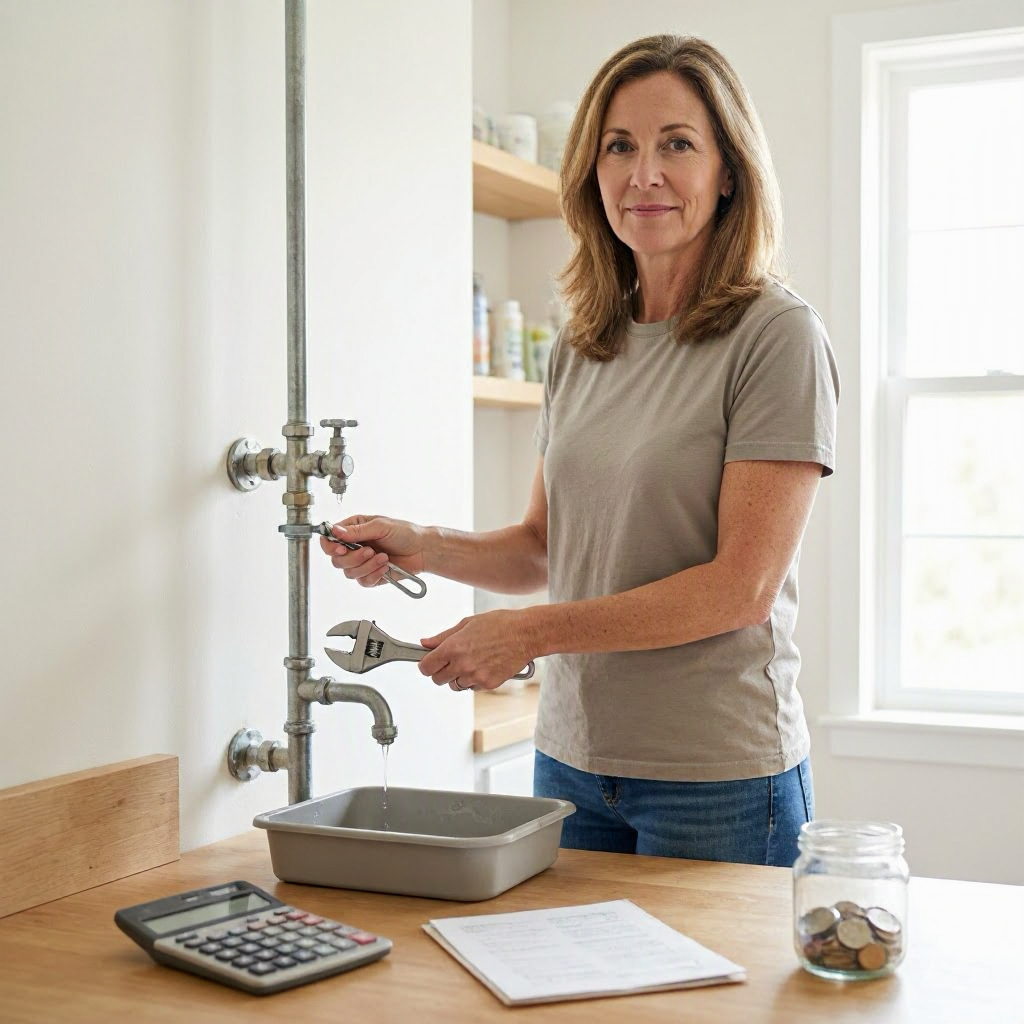
How to save money on water bill in 2026
Understand Your Current Water Bill
Your water bill in the US typically includes charges for water usage, sewer services, fixed fees, and sometimes taxes or environmental fees. Water is supplied by local municipal utilities or private companies regulated by state public utility commissions. Average household water use runs 300 gallons per day, but bills vary by location, household size, and season, with summer spikes from outdoor watering.
Start by reviewing your most recent bill line by line. Look for the usage amount in hundred cubic feet (HCF) or gallons, tiered rates (higher usage often costs more per unit), base service charges, and any past-due fees. Compare it to previous months using your utility's online portal or paper statements, if available. Note peak usage months to spot patterns like irrigation or leaks.
Contact your utility if the bill seems high. Ask for a usage history report and explanation of charges. Many utilities, like those in California or Florida, offer free bill audits. Keep notes from the call, including the representative's name and confirmation number.
Detect and Fix Leaks Immediately
Leaks waste up to 10% of water in US homes and drive up bills. A dripping faucet can waste 3,000 gallons yearly, while a toilet leak might add $100 or more annually. Check indoors and outdoors first.
Perform a simple leak test. Turn off all water use, then watch your water meter for 2 hours. If it moves, you have a leak. For toilets, add food coloring to the tank; if color appears in the bowl within 10 minutes, the flapper needs replacing.
Common leak spots include toilets (replace flappers or fill valves for $10-20 at hardware stores), faucets (install washers or aerators), and hoses (tighten connections or replace). Outdoors, inspect irrigation systems, sprinklers, and hose bibs. Shut off the main water valve and check the meter again to isolate outdoor leaks.
Hire a plumber for hidden leaks behind walls or under slabs, costing $150-500, but it pays off quickly. Document repairs with receipts and recheck your next bill.
Quick Leak Detection Checklist
- Toilets: Dye test all units; listen for trickling sounds.
- Faucets and showers: Feel for drips; replace with low-flow models.
- Irrigation and hoses: Walk the yard after rain; cap unused bibs.
- Water heater: Check temperature/pressure relief valve.
- Pool or spa: Inspect pumps and filters if applicable.
Cut Indoor Water Usage
Indoor activities account for 70% of household water use. Focus on bathrooms (showering, toilets, faucets) and kitchen/laundry habits.
Bathroom Savings
Install low-flow showerheads (1.5-2.0 gallons per minute) and aerators on faucets (1.0 GPM max). These reduce flow by 50% without sacrificing pressure and cost $10-30 each. ENERGY STAR models qualify for utility rebates in many states.
Shorten showers to 5 minutes, saving 12 gallons each. Turn off water while brushing teeth or shaving, saving 4 gallons per minute. Upgrade to dual-flush toilets (1.28 gallons per flush) if yours uses over 1.6 GPF; rebates often cover $100+ of the $200-400 cost.
Kitchen and Laundry Tips
Run dishwashers and washing machines only when full, selecting efficient cycles. ENERGY STAR dishwashers use 30% less water. Fix garbage disposals that require constant running water.
Use a bowl for rinsing vegetables instead of running the tap. For laundry, front-load washers save 40% water over top-loaders. Skip pre-rinsing dishes; scrape instead.
| Indoor Area | High-Use Habit | Simple Fix | Potential Impact |
|---|---|---|---|
| Shower | 10-minute showers | Low-flow head + timer | 2,700 gallons/year saved |
| Toilet | Silent leaks | Dye test + flapper repair | Up to $100/year per toilet |
| Faucet | Running while brushing | Turn off tap | 4 gallons/day |
| Dishwasher | Partial loads | Full loads only | 5,000 gallons/year |
| Laundry | Top-loader + pre-rinse | ENERGY STAR front-loader | 7,000 gallons/year |
Reduce Outdoor Water Use
Outdoor use spikes bills in warmer states like Texas, Arizona, and Florida, often doubling summer costs. Lawns and gardens consume 30-60% of water there.
Xeriscape your yard. Replace grass with native plants, drought-tolerant shrubs, and mulch, reducing watering by 50-75%. Check local extension services from land-grant universities (like those via USDA) for free plant lists.
Water deeply but infrequently: 1 inch per week for lawns, early morning to minimize evaporation. Use soil moisture probes ($10) or screwdrivers to test depth. Adjust sprinklers to avoid sidewalks.
Install rain barrels (55 gallons for $50-100) connected to downspouts, legal in most states except a few with restrictions. Check your city's rules via the public works department.
For pools, cover when not in use to cut evaporation by 90%. Maintain proper chemical balance to reduce water replacement.
Smart Irrigation Steps
- Audit your system: Fix broken heads, overlap zones properly.
- Add smart controllers ($150-300) that use weather data; many utilities rebate 50-100%.
- Group plants by water needs: High-water near house, low-water farther out.
Upgrade Fixtures and Appliances for Long-Term Savings
Invest in water-efficient tech with quick paybacks. Low-flow toilets, showerheads, and faucets pay for themselves in 6-18 months.
ENERGY STAR appliances cut water and energy. New refrigerators with ice makers use less, and efficient water heaters (tankless or heat pump) reduce standby loss.
Check for rebates at dsireusa.org or your utility site. Federal tax credits via IRS may apply for efficient water heaters.
For renters, ask landlords about upgrades; many states require them for efficiency.
Review Utility Rates and Plans
Water rates are rising 4-6% annually nationwide due to infrastructure costs. Compare tiered pricing: Many utilities charge more for usage over 10 HCF/month.
Switch to budget billing if offered, averaging costs over 12 months to avoid summer shocks. Ask about equal-pay plans or prepaid meters.
In deregulated areas (rare for water), shop providers via your state PUC website. Most negotiate rate cases publicly; attend hearings or comment.
Call your utility about senior, medical, or low-income discounts. Verify eligibility without sharing sensitive info initially.
Access Assistance Programs
Low-income households qualify for help. LIHEAP (Low-Income Home Energy Assistance Program) covers water in some states; apply via 211.org or state human services.
Local utilities offer moratoriums on shutoffs or payment plans. Water assistance via 211 connects to funds like those from United Way.
Veterans, seniors, and disabled households check VA or Social Security for extras. Keep applications and approvals on file.
Beware scams: Legit programs don't charge fees or ask for gift cards. Verify via energy.gov/energysaver or consumer.ftc.gov.
Install Water-Saving Tech and Monitors
Smart home devices track usage. Water meters with apps ($100-200) alert to spikes; some integrate with Alexa or Google Home.
Leak detectors under sinks ($50/pack) shut off water automatically. Whole-home systems ($500+) prevent disasters.
Pair with in-home displays from utilities for real-time feedback.
Landscape and Garden Efficiency
Choose permeable surfaces like gravel over concrete to reduce runoff fees. Drip irrigation for gardens uses 50% less water than sprinklers.
Compost to retain soil moisture. Plant shade trees strategically to cool your home, indirectly saving on cooling bills.
Negotiate Bills and Avoid Fees
If facing hardship, request extensions or reduced rates. Document income via paystubs.
Avoid late fees by autopay or reminders. Dispute errors in writing, keeping copies.
Track Progress and Adjust
Create a usage tracker spreadsheet: Columns for month, usage (gallons/HCF), bill amount, changes made, savings.
Review quarterly. Aim for 10-20% reduction initially.
Set goals: Family of 4 targets under 10,000 gallons/month indoors.
Monthly Water Bill Review Checklist
- Log current usage vs last year.
- Check for new charges or rate hikes.
- Test one fixture for leaks.
- Adjust outdoor timer.
- Review assistance eligibility annually.
- Calculate savings: (Old bill - new bill) x 12.
Advanced Strategies for 2026 and Beyond
With climate changes, expect drier conditions in the West and more storms East. Greywater systems (reusing laundry/sink water for toilets or irrigation) cost $2,000-5,000 but save 30% in permitted states like Arizona.
Rainwater harvesting expands; federal grants via USDA for rural homes.
Solar-powered pumps for wells reduce electric costs tied to water.
Community programs: Some cities offer free low-flow kits or audits.
Beware of Water Bill Scams
Fraudsters pose as utility reps offering "bill reductions" for upfront fees. Hang up and call your utility's verified number from the bill.
Avoid apps promising savings without proof; stick to utility portals.
Fake "water auditors" charge for free services. Verify via consumerfinance.gov.
Putting It All Together: Your Savings Plan
Week 1: Bill review and leak hunt. Week 2: Install aerators/showerheads. Month 1: Outdoor audit. Month 3: Usage check; apply for rebates/programs.
Realistic savings: 20-50% with effort, more with upgrades. Track to confirm.
For personalized help, contact your local utility or cooperative extension office. Visit energy.gov/energysaver for guides tailored to your region.
This approach keeps your household hydrated and budget intact through 2026's challenges.

About the TDL Expert Panel
TDL Expert Panel · TheDigitalLife Editorial Team
TDL Expert Panel is the editorial team behind TheDigitalLife. The team researches, reviews, and creates practical guides to help everyday readers make better decisions about home repair costs, refunds, AI tools, digital safety, productivity, and useful online resources. Each guide is written to be clear, useful, and easy to understand.