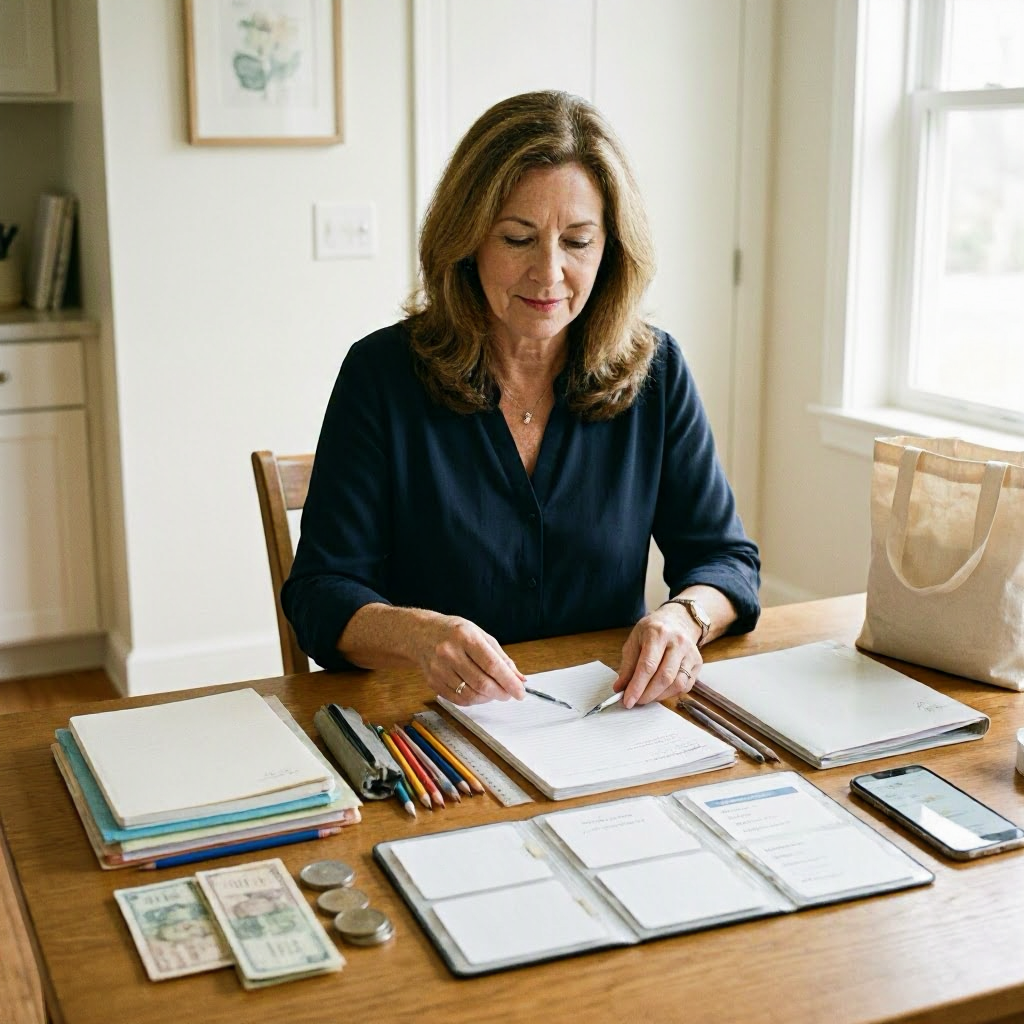
How to save money on school supplies in 2026
---
Why School Supplies Cost So Much and How to Fight Back
Back-to-school season hits US families hard each year. Notebooks, pencils, backpacks, and markers add up quickly, especially with inflation pushing prices higher into 2026. The good news is you can cut costs without sending kids to school unprepared.
Start by reviewing last year's supply list from teachers, often posted online in summer. This avoids buying extras. Focus on needs first, like crayons for kindergarten or calculators for high school.
Families on tight budgets, including single-income households or those with multiple kids, benefit most from planning ahead. Check your state department of education website for required supply lists by grade.
Build a Realistic School Supplies Budget
Before shopping, set a budget based on your household income and other expenses. Look at recent bank statements to see past back-to-school spending.
List all kids' grades and their specific needs. Multiply estimated costs by the number of children. Aim to allocate no more than 5% of your monthly budget, adjusting for fixed costs like rent or groceries.
Use this simple budget worksheet:
- Total household monthly income: $______
- Essential bills (rent, utilities, food): $______
- Leftover for discretionary spending: $______
- School supplies target (e.g., 10% of leftover): $______
Track it in a notebook, free app like Mint, or Google Sheets. Review weekly to stay on track.
For larger families, divide the budget per child. Seniors helping grandkids or gig workers with irregular pay can scale down to basics only.
Prioritize Essentials Over Extras
Not everything on a teacher's list is mandatory right away. Separate must-haves from nice-to-haves.
Must-haves include:
- Pencils, pens, erasers
- Notebooks, folders, binders
- Backpack (reusable from prior year)
- Glue sticks, scissors, ruler
Nice-to-haves: Fancy markers, colored pencils, extra binders. Buy these later if budget allows.
Ask teachers via email if supplies can be shared or bought communally. Many allow "community supplies" donations.
Check what kids already have at home. Raid junk drawers for usable pencils or binders from old projects.
Make a Master Shopping List
Create one list per child, combining school requirements with home checks.
Sample shopping list process:
- Download grade-specific lists from school website or apps like TeacherLists.
- Cross off items you own.
- Note quantities needed (e.g., "12 #2 pencils").
- Research unit prices for each item.
Use a free printable checklist from sites like Federal Trade Commission consumer tips (consumer.ftc.gov) for organized shopping.
Group similar items to buy in bulk where smart, like a 24-pack of crayons instead of singles.
Best Places to Shop for Deals
Shop where prices match your budget: dollar stores for basics, big box for sales, online for comparison.
Dollar Stores Like Dollar General or Dollar Tree
These shine for cheap fillers: pencils at 10 for $1, notebooks under $1.50. Quality works for elementary needs.
Check weekly ads via store apps. Stock up on non-perishables like tape or index cards.
Big Box Retailers: Walmart, Target, Staples
Watch for back-to-school sales in July-August 2026. Walmart often drops binders to $1 each during events.
Use store apps for digital coupons. Target's Circle program gives extra perks on school items.
Staples has teacher rewards: buy supplies, earn credits for classroom use.
Grocery Stores with Back-to-School Aisles
Kroger, Publix, or Safeway run seasonal deals. Pair with grocery loyalty cards for double savings.
Online Shopping: Amazon, Walmart.com
Compare prices using tools like Honey or Capital One Shopping browser extensions. Amazon Prime Day or Walmart+ events hit school supplies hard.
Factor in shipping: choose free pickup or Subscribe & Save for bulk packs.
Pro tip: Use incognito mode to avoid price hikes based on browsing history.
Warehouse Clubs: Costco, Sam's Club
Great for families buying multiples. A $20 membership pays off if buying 100-pack pencils or printer paper.
Share membership costs with family or neighbors.
Time Your Purchases for Maximum Savings
Back-to-school sales peak late July through Labor Day 2026. Mark your calendar for:
- Tax-free weekends in states like Texas, Florida, Georgia (check your state revenue department).
- End-of-summer clearances in September.
Shop mid-week when stores restock deals. Avoid weekends with crowds.
Post-Labor Day, prices drop further as unsold stock clears.
Stack Discounts, Coupons, and Rewards
Layer savings without overbuying.
Loyalty Programs and Apps
Sign up for free:
- Walmart app: Rollback alerts.
- Target Circle: 5% off or gift cards.
- Ibotta or Fetch Rewards: Scan receipts for cash back on supplies.
Coupons and Promo Codes
Clip from store flyers or apps like Coupons.com. RetailMeNot lists verified codes for Staples or Office Depot.
Stack rule: Use store coupon + loyalty + cash back, but read terms.
Cash-Back Portals
Rakuten or TopCashback offer 1-10% back on school buys at Target or Amazon. Payouts via PayPal or check.
Credit Card Rewards
Use cards with 5% categories on office supplies (e.g., Chase Freedom). Pay off immediately to avoid interest.
Tap Into Teacher and Student Discounts
Teachers get 10-20% off at Office Depot or Michaels with ID. Ask if they pass savings to parents.
Students: Check college bookstores for K-12 deals or homeschool co-ops.
Military families: Use Exchange or Commissary stores for tax-free basics.
Reuse, Repurpose, and Go DIY
Cut costs by 30-50% reusing items.
- Backpacks: Repair zippers or buy used on Facebook Marketplace.
- Binders/folders: Reuse from siblings.
- Art supplies: Mix food coloring for paints.
DIY ideas:
- Homemade pencil cases from socks or fabric scraps.
- Label makers from stickers and markers.
Donate extras to next year's families via school swaps.
Free and Low-Cost Supply Sources
Don't overlook community resources.
School and PTA Programs
Many districts offer free supplies for low-income families via Title I funds. Contact school counselor.
PTA swaps: Trade gently used items.
Libraries and Community Centers
Public libraries lend calculators or laptops. Check Dollar General Literacy Foundation grants for supplies.
Freecycle, Buy Nothing Groups
Facebook "Buy Nothing" groups give away extras locally. Craigslist free section too.
Nonprofits and Government Aid
United Way's 211.org connects to local back-to-school drives. Low-income households qualify for No Child Left Behind aid.
Head Start or after-school programs distribute free kits.
Bulk Buying Done Right
Bulk saves if you use it all.
Compare before buying:
| Item | Single Pack Cost | Bulk Pack Cost (e.g., 12-pack) | Unit Price Savings |
|---|---|---|---|
| #2 Pencils | $1.50 (10 ct) | $10 (144 ct) | 40% |
| Glue Sticks | $1 (3 ct) | $12 (30 ct) | 25% |
| Notebooks | $0.75 each | $5 (10 ct) | 33% |
| Markers | $2 (10 ct) | $15 (100 ct) | 30% |
Only bulk if shelf space allows and kids won't waste. Split packs with neighbors.
Tech Tools for Smarter Shopping
Free apps streamline savings:
- ShopSavvy: Barcode scanner for price compares.
- Flipp: Compiles weekly ads from 2000+ stores.
- The Krazy Coupon Lady: Deal alerts.
Avoid "savings apps" requesting bank logins, per FTC warnings.
Avoid Scams and Overspending Traps
Watch for:
- Fake coupons promising 50% off (verify on store site).
- Phishing emails for "school supply rebates."
- High-pressure door-to-door sales.
Red flag checklist:
- Unsolicited calls offering discounts.
- Requests for gift cards or wire payments.
- "Limited time" deals not on official sites.
Shop only trusted retailers. Keep receipts for price adjustments (many stores match competitors within 14 days).
Special Considerations for 2026
With potential supply chain shifts, stock basics early. Eco-friendly supplies may cost more; stick to recycled paper if affordable.
Remote/hybrid learning: Prioritize headphones or USB drives.
Homeschoolers: Join co-ops for group buys.
Track and Celebrate Your Savings
After shopping, log costs vs. budget.
Savings tracker template:
| Item/Category | Planned Spend | Actual Spend | Savings |
|---|---|---|---|
| Pencils | $10 | $6 | $4 |
| Backpacks | $40 | $20 | $20 |
| Total | $150 | $100 | $50 |
Review next year: Did supplies last? Adjust lists.
Share wins with family to build habits. Small changes compound over semesters.
Long-Term Strategies for Future Years
Build a supply stash post-season when prices crash. Store in labeled bins.
Teach kids to care for items: No snapping pencils.
Join parent groups for alerts on free events.
For tax time, check IRS Publication 970 for education credits covering supplies (irs.gov/credits-deductions). Keep receipts.
Quick Action Plan for This Week
- Gather school lists and inventory home supplies.
- Set budget using worksheet.
- Clip coupons and download apps.
- Shop tax-free weekend if in your state.
- Track receipts and savings.
By focusing on planning, smart shopping, and reuse, US families can slash school supply costs in 2026 while keeping kids equipped. Start small, stay consistent.
(Word count: 2856) ---

About the TDL Expert Panel
TDL Expert Panel · TheDigitalLife Editorial Team
TDL Expert Panel is the editorial team behind TheDigitalLife. The team researches, reviews, and creates practical guides to help everyday readers make better decisions about home repair costs, refunds, AI tools, digital safety, productivity, and useful online resources. Each guide is written to be clear, useful, and easy to understand.