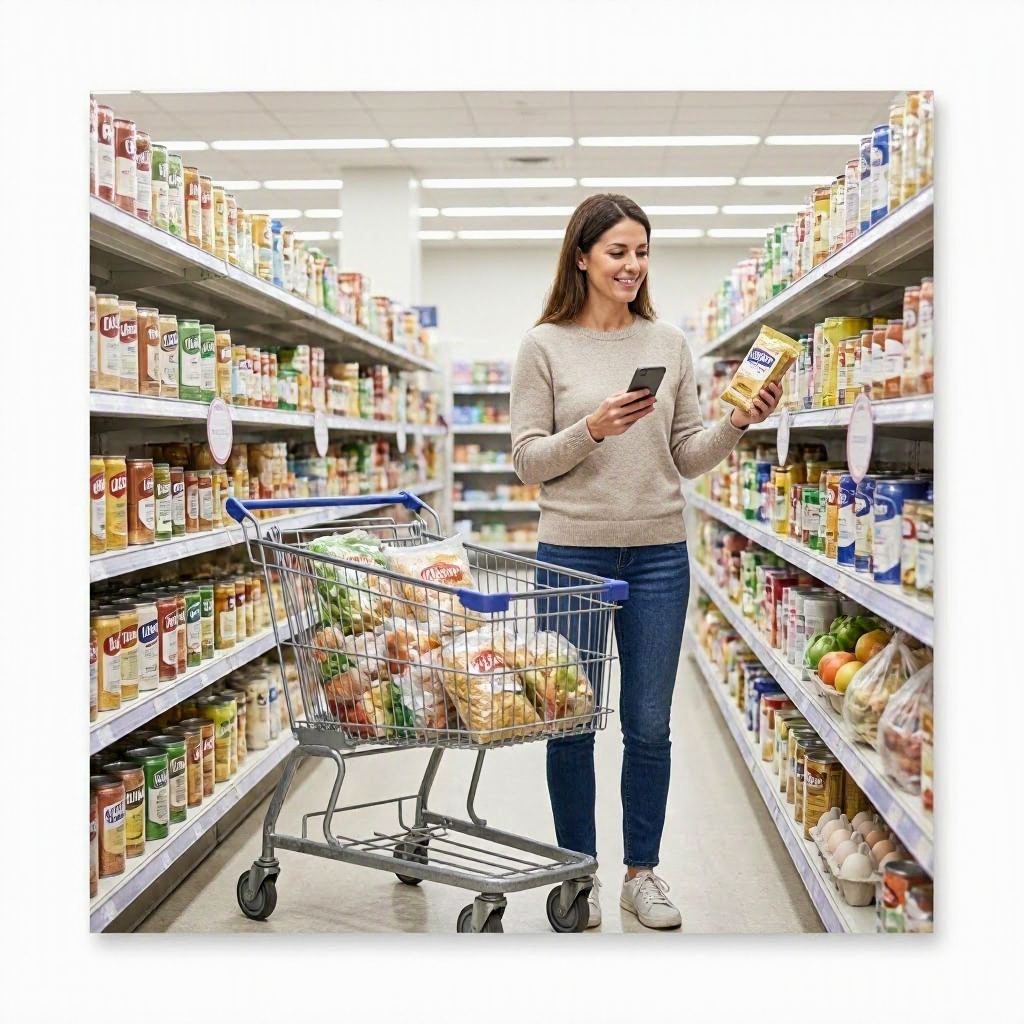
How to save money on groceries in 2026
Why Groceries Remain a Budget Challenge in 2026
Groceries make up about 10 to 15 percent of typical U.S. household spending, depending on family size and location. In 2026, factors like supply chain shifts, weather impacts on crops, and steady inflation keep prices elevated compared to pre-2020 levels. The good news is that targeted changes in how you plan, shop, and store food can cut costs by focusing on smarter habits rather than drastic cuts.
This guide walks you through practical steps tailored for U.S. shoppers. You'll learn to build a grocery budget, plan meals around sales, compare unit prices, and avoid common pitfalls like impulse buys or waste. These strategies work for singles, families, renters in cities like New York or Chicago, homeowners in suburbs, gig workers with irregular schedules, or seniors on fixed incomes.
Start by reviewing your last three months of grocery receipts or bank statements. Note total spending, average per trip, and categories like produce, meat, dairy, or snacks. This baseline shows where to focus first.
Build a Grocery Budget That Fits Your Household
A solid budget prevents overspending without feeling restrictive. Begin with your monthly take-home pay after essentials like rent, utilities, and debt payments. Aim to allocate 10 to 12 percent to groceries, adjusting based on household size. For example, a family of four might target $800 to $1,000 monthly, while a single person could aim for $250 to $400.
Separate needs from wants. Essentials include staples like rice, beans, eggs, milk, fresh veggies, and lean proteins. Flexible items are snacks, sodas, or premium cuts. Use a simple spreadsheet or free app like Mint or a bank budgeting tool to track.
Create a 30-day grocery plan. List upcoming paydays, expected expenses, and a per-week grocery allowance. For instance, divide your monthly target by 4.3 for weekly realism. Set aside cash or preload a debit card for groceries only to curb extras.
Review weekly. Check receipts against your plan and adjust, like swapping pricier chicken for affordable ground turkey next week. Keep a notebook for notes on what worked, such as "Aldi eggs were 20 percent cheaper."
Plan Meals to Drive Your Shopping List
Meal planning cuts impulse buys and waste, potentially reducing spending by matching purchases to actual needs. Start Sundays: Inventory your pantry, fridge, and freezer. List proteins, grains, veggies, and staples on hand.
Build a 7-day meal framework around them. Breakfast: oatmeal with frozen fruit. Lunch: leftovers or PB&J. Dinner: rotate simple recipes like stir-fry veggies with rice, bean chili, or baked chicken thighs with potatoes. Plan 3 to 4 dinners, using versatile ingredients across meals.
Make a precise shopping list from gaps only. Group by store aisle: produce first, then dairy, meats. Add quantities, like "2 lbs apples" not "apples." Stick to it 80 percent of the time, allowing flexibility for deep discounts.
For busy households, prep staples weekly: chop veggies, cook rice in bulk, portion meats. Families with kids can involve them in planning kid-friendly meals like tacos or pasta to build buy-in. Seniors might focus on easy, nutritious one-pan meals.
Use free tools like online recipe sites with budget filters or printable planners from USDA resources at ChooseMyPlate.gov. Plan around weekly ads, which we'll cover next.
Check Weekly Ads and Sales Before Shopping
U.S. grocers release ads Sundays or Mondays, valid through Saturday. Visit store apps or websites for Walmart, Kroger, Safeway, Publix, or regional chains like H-E-B. Look for Buy One Get One (BOGO) on meats, marked-down produce, or 10-for-$10 deals.
Match ads to your list. Prioritize staples on sale, like canned tomatoes or chicken. Avoid buying unrelated items just because they're discounted, a common trap.
Digital flyers from Flipp or Basket apps compile ads from multiple stores. Set alerts for your zip code to compare local deals without driving around.
Shop midweek for markdowns. Many stores discount near-expiry meats, bakery items, or produce 30 to 50 percent off after noon. Check apps for "manager's specials."
Compare Unit Prices for True Savings
Package size tricks shoppers, so always check unit price (cost per ounce, pound, or unit) on shelf tags. For example, a larger cereal box might seem cheaper but have a higher unit price if brand-named.
Use a calculator or phone app. At Walmart or Target, tags show it clearly. For generics, smaller sizes sometimes win after sales tax.
Focus on high-impact categories:
- Milk and dairy: Gallon vs. half-gallon; store brand often matches name brand quality.
- Meat and produce: Per-pound price; loose items over pre-packaged.
- Canned goods: Same-size cans; dented but safe ones at discount bins.
This habit alone spots overpriced "deals." Train kids or roommates to check tags too.
Switch to Store Brands and Generics
Store brands from Aldi, Kroger, Walmart's Great Value, or Trader Joe's often cost 20 to 30 percent less with similar taste and nutrition. Test blindly: Compare labels for ingredients, sodium, sugar.
Start with low-risk items like pasta, rice, canned veggies, peanut butter, or paper goods. Avoid generics for meds or baby formula without pharmacist input.
Aldi shines for basics: weekly staples under one roof, no frills. For premium needs, mix with sales at full-service stores.
Leverage Coupons, Apps, and Loyalty Programs
Coupons amplify savings when stacked with sales. Use apps like Ibotta, Checkout 51, or Fetch Rewards for cash back on scanned receipts. Clip digital ones from store apps before shopping.
Loyalty programs are free: Kroger Plus, Safeway Just for U, Walmart+ for pickup perks. Link your phone number or card at checkout for automatic discounts.
Steps for success:
- Check app offers matching your list.
- Load to loyalty account.
- Buy during sale windows.
- Scan or enter at checkout.
- Submit receipts for rebates within limits.
Beware limits: One per household, expiration dates. Avoid "couponing extremes" that buy excess; focus on planned items.
For 2026, expect more app-based personalization. Verify offers via official store sites to dodge fake coupon scams from FTC.gov warnings.
Pick the Best Stores for Your Needs
No one-size-fits-all. Compare formats:
| Store Type | Best For | Considerations |
|---|---|---|
| Discount like Aldi, Lidl | Basics, produce, dairy | Cash or debit only at some; bring quarters for carts; limited selection |
| Warehouse like Costco, Sam's Club | Bulk families | $60 annual fee; gas savings offset for big households |
| Supercenters like Walmart, Target | One-stop with non-food | Everyday low prices; curbside pickup fees |
| Ethnic markets | Cheap produce, spices | Freshness varies; language barriers possible |
Drive or use gas apps to compare totals including fuel. Gig workers might prioritize delivery via Instacart to save time.
Buy Bulk Wisely to Avoid Waste
Bulk saves on dry goods like oats, nuts, flour at Costco or online Amazon basics. Calculate cost per serving: A 25-lb rice bag might drop from $1.50/lb to $0.80/lb.
Rules:
- Only for items you use fully in 3-6 months.
- Check rotation dates.
- Divide packages into portions.
- Compare to sales: Sometimes weekly deals beat bulk.
For perishables, split with neighbors or freeze extras.
Minimize Food Waste at Home
Waste adds 20 percent to bills. Track "use it up" first: Freeze bread, blend overripe fruit into smoothies, make stock from veggie scraps.
Portion realistically. Buy family packs only if freezing space allows. Use "first in, first out" in fridge.
Apps like SuperCook suggest recipes from leftovers. Compost scraps if yard space allows, or use municipal programs.
Donate extras via food banks before spoiling; check FeedingAmerica.org for locals.
Weigh Delivery, Pickup, and In-Store Options
Pickup via Walmart+, Shipt, or Kroger saves time but adds $3-10 fees. Delivery suits no-car households but watch markups.
Compare:
- List total with fees, tip, tax.
- Minimum order requirements.
- Substitution policies (opt out pricier swaps).
- Fuel/time saved.
For seniors or caregivers, SNAP benefits work with some services; verify at your state's site.
In-store wins for cherry-picking markdowns and avoiding fees.
Tailored Tips for Different Households
Families: Double sales recipes, kid swaps like fruit pouches for whole fruit. School lunch packs from bulk.
Singles/gig workers: Smaller stores, frozen singles-serve meals, meal kit trials like HelloFresh deals.
Seniors/fixed income: Senior discounts Tuesdays at some Publix; farmers markets with SNAP doubles; LIHEAP for energy aiding food budgets indirectly.
Renters in high-cost areas: Co-op buys, community gardens, dollar stores for non-perishables.
All: Check 211.org for local food assistance if needed, no shame in bridging gaps.
Avoid Grocery Scams and Hidden Fees
Scammers push fake apps promising "50 percent off" or phishing via texts. Verify via official sites.
Watch:
- Delivery surge pricing.
- Unscanned loyalty cards.
- Pricing errors: Scan items yourself.
- "Free" trials for boxes that auto-renew.
Keep all receipts 30 days for disputes. FTC.gov has guides on grocery fraud.
Track Savings and Refine Your Approach
After one month, compare totals to baseline. Subtract savings from waste avoided, fees cut.
Savings tracker template:
- Week 1 spend: $____ | Waste: $____ | Net: $____
- Key wins: ____
- Next tweaks: ____
Review quarterly. Celebrate small wins like $20/week saved toward fun fund.
Adjust for seasons: Grill sales summer, soup staples winter. In 2026, watch for EV charging at stores cutting gas.
Sample Weekly Grocery Savings Checklist
Use this before every shop:
- [ ] Reviewed pantry/fridge inventory
- [ ] Checked 3 store ads
- [ ] Made list with quantities
- [ ] Loaded app coupons/loyalty
- [ ] Planned unit price checks
- [ ] Stuck to budget/cash only
- [ ] Noted markdowns
- [ ] Filed receipt
Putting It All Together: Your 2026 Grocery Reset
Start small: One week of planning yields quick wins. Scale to monthly mastery. These steps prioritize nutrition, convenience, and realism, fitting U.S. life from coasts to heartland.
Expect variability by region, like higher coastal prices. Verify local ads, programs via stores or Benefits.gov. Over time, habits compound, freeing cash for debt, savings, or treats.
For deeper budgeting, review bank tools or CFPB.gov spend trackers. Stay informed on food costs via USDA reports, but act on your numbers.

About the TDL Expert Panel
TDL Expert Panel · TheDigitalLife Editorial Team
TDL Expert Panel is the editorial team behind TheDigitalLife. The team researches, reviews, and creates practical guides to help everyday readers make better decisions about home repair costs, refunds, AI tools, digital safety, productivity, and useful online resources. Each guide is written to be clear, useful, and easy to understand.