How to save money on gas bill in 2026
Why Gas Bills Are a Big Household Expense in 2026
Natural gas bills cover heating, hot water, cooking, and sometimes drying clothes in many US homes. With colder winters expected in parts of the country and fluctuating energy markets, these costs can strain budgets for homeowners, renters, and families alike. The good news is that practical changes can lower your bill without major disruptions.
Start by reviewing your most recent gas bill from your utility provider. Look at usage in therms or cubic feet, plus any fixed fees, taxes, and delivery charges. This baseline helps you track progress after changes.
Many households see higher bills from December through March due to heating. Single-income families, seniors on fixed incomes, or gig workers with variable pay often feel this pinch most. Focus on safe, realistic steps that fit your home and lifestyle.
Break Down Your Gas Bill Line by Line
Before cutting costs, understand every charge. Gas bills typically include:
- Supply charges: Cost of the natural gas itself, often passed through from wholesalers.
- Delivery or distribution fees: For transporting gas to your home.
- Customer charges: Fixed monthly fees regardless of usage.
- Taxes and surcharges: State and local taxes, plus regulatory fees.
- Demand charges: Higher in some areas during peak winter usage.
Grab your latest bill or log into your utility account portal. Note your average daily usage and compare it to the same month last year. High usage might signal leaks, inefficient equipment, or habits to adjust.
Renter? Check if utilities are included in rent, but even then, overages can add up. Homeowners should verify if their bill reflects a variable rate plan or fixed rate.
Keep bills for at least 12 months. Use them to spot trends, like a sudden spike that could mean a problem.
Quick Wins: Reduce Gas Usage Immediately
Small changes yield fast results. These steps require no upfront cost and work in apartments or houses.
Adjust Your Thermostat Wisely
Set your thermostat to 68°F when home and awake, dropping to 64°F at night or when away. Each degree lower for eight hours saves energy without discomfort.
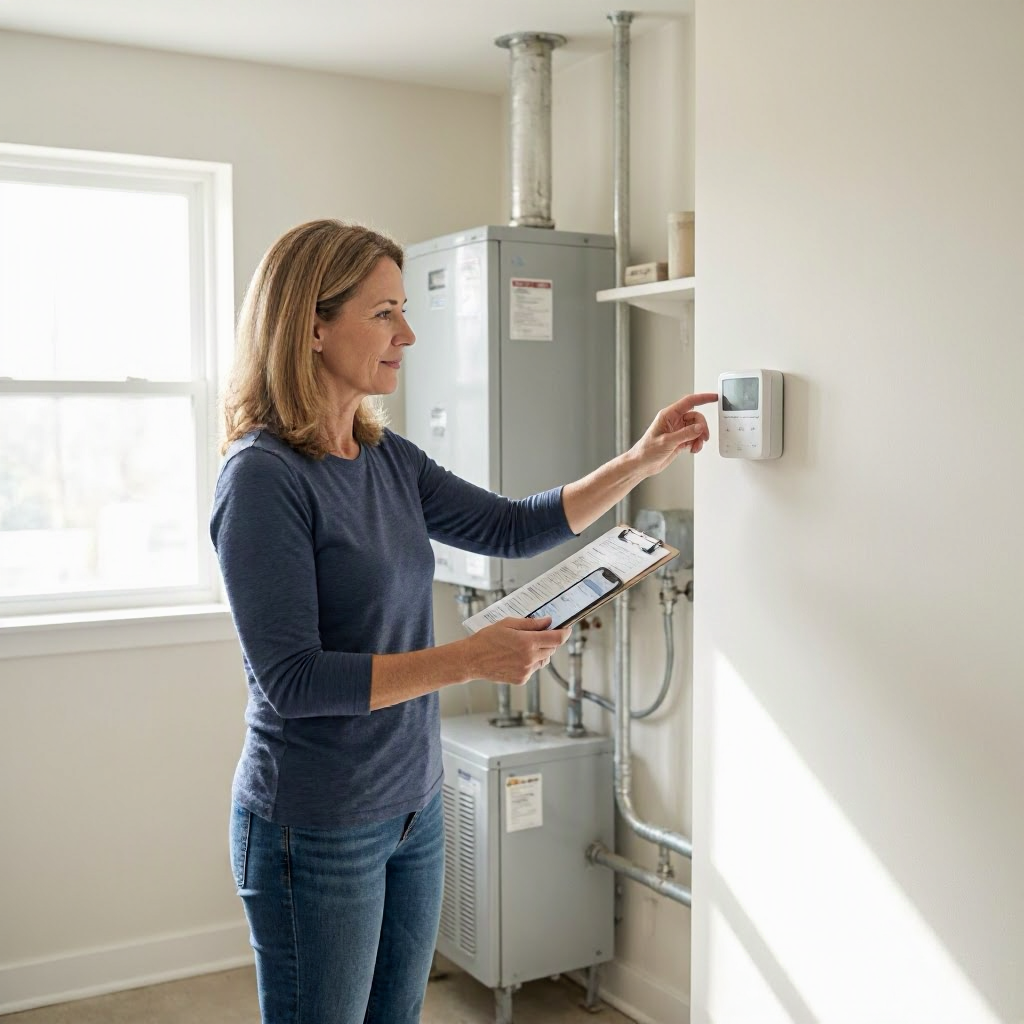
Use a programmable or smart thermostat if you have one. Program it for your schedule: lower during work hours, raise 30 minutes before returning.
Wear layers or use blankets instead of cranking heat. This keeps you comfortable while using less gas.
Shorten Hot Water Use
Lower your water heater to 120°F. This prevents scalding and cuts standby losses.
Install low-flow showerheads and faucets. They reduce hot water demand by up to 50% without weak pressure.
Take shorter showers and run full loads in dishwashers. Skip pre-rinsing dishes; scrape instead.
Behavioral Tweaks Around the House
Close doors to unused rooms and vents to direct heat where needed. Use kitchen exhaust fans sparingly; they pull heated air out.
Cook with lids on pots and use smaller appliances like microwaves or toaster ovens for single meals. Match pot size to burners.
Air-dry clothes when possible instead of using a gas dryer. If drying, clean the lint filter after every load.
Track these for one week. Note your next bill to measure impact.
Maintain Your Heating System for Efficiency
A well-maintained furnace or boiler uses less gas. Neglect leads to higher bills and breakdowns.
Annual Professional Tune-Ups
Schedule a professional inspection yearly, ideally before heating season. Technicians clean burners, check vents, and adjust for peak efficiency.
Ask for a combustion analysis to ensure complete burning. Dirty systems waste 10-20% more fuel.
Homeowners: Check your owner's manual for model-specific maintenance. Renters: Request landlord tune-ups; it's often their responsibility.
DIY Checks You Can Do Safely
Replace or clean air filters monthly during heating season. Dirty filters make blowers work harder.
Vacuum registers and baseboards to improve airflow. Straighten bent fins on radiators if you have hot water heat.
Inspect for gas leaks: Use soapy water on connections; bubbles mean a leak. Call your utility immediately if detected, never ignore.
Keep records of maintenance dates and receipts. This helps with warranties or insurance claims.
Seal and Insulate Your Home
Drafts and poor insulation are major culprits. Focus on high-impact areas first.
Find and Seal Air Leaks
Use the back of your hand or incense smoke to detect drafts around windows, doors, outlets, and chimneys. On windy days, feel for cold spots.
Apply weatherstripping to doors and caulk gaps around windows. Use foam sealant for larger cracks.
Install door sweeps and cover keyhole plates. These cheap fixes block cold air entry.
Add Insulation Where It Counts
Attics need 12-15 inches of insulation for most climates. Check via hatch; add if low.
Insulate hot water pipes in unheated spaces with foam sleeves. Wrap the first 5-10 feet of pipe from the water heater.
For basements or crawlspaces, add rigid foam board if accessible. Renters: Focus on outlet gaskets and window film.
Prioritize: Attic, then walls/ducts, then floors. Document before-and-after with photos for rebates.
Upgrade to Energy-Efficient Appliances
When replacing old equipment, choose gas-efficient models.
Furnaces and Boilers
Look for high Annual Fuel Utilization Efficiency (AFUE) ratings: 90%+ for modern units. Older ones are often 60-80%.
Consider condensing models that recover heat from exhaust. Check ENERGY STAR certified options at energy.gov/energysaver.
Financing: Many utilities offer 0% loans or rebates. Compare total costs including installation.
Water Heaters and Dryers
Tankless water heaters heat on demand, using 20-30% less gas. Ensure proper sizing for your household.
High-efficiency gas dryers with moisture sensors stop when clothes are dry.
Before buying, calculate payback: Divide cost by annual savings estimate from EnergyGuide labels.
Renters: Suggest upgrades to landlords; offer to share savings.
Shop Your Utility Provider and Plans
In deregulated states like Texas, Georgia, or Pennsylvania, compare suppliers. Elsewhere, stick to your local utility but explore plans.
Check for Deregulation in Your Area
Visit your state's public utility commission website (e.g., PUC in PA). Enter your ZIP code to see certified suppliers.
Compare rates per therm, contract length, and early termination fees. Fixed-rate plans protect against winter spikes.
Switch online or by phone. Confirm no interruption; service stays seamless.
Negotiate or Switch Plans with Your Current Provider
Call and ask about budget billing: Even payments year-round based on 12-month average.
Inquire about low-income or senior discounts, time-of-use rates, or off-peak plans.
Review before renewal; automatic plans may hike rates.
Keep quotes, account notes, and confirmation emails.
Tap Into Assistance Programs and Rebates
US households qualify for help through federal and state programs.
Low-Income Energy Assistance
Apply for LIHEAP via 211.org or benefits.gov. It covers heating bills for eligible low-income families, seniors, and disabled.
State versions like HEAP in New York open seasonally. Gather income proof, bills, and household size docs.
Efficiency Rebates and Tax Credits
The Inflation Reduction Act offers credits for insulation, windows, heat pumps (gas alternatives), and audits.
Check irs.gov/credits-deductions for 2026 details. Energy-efficient home improvements qualify up to $3,200 annually.
Utilities like PG&E or National Grid post ZIP-specific rebates. Search "[your utility] rebates" on their site.
Home performance contractors perform audits for $150-500, often rebated.
Document everything: Receipts, before/after energy use, contractor certifications.
Use Technology to Monitor and Control Usage
Smart tools provide real-time insights.
Smart Thermostats and Monitors
Nest, Ecobee, or Honeywell models learn habits and auto-adjust. Connect to apps for remote control.
Whole-home energy monitors like Sense or Emporia track gas usage by appliance.
Set alerts for unusual spikes. Review weekly via app dashboards.
Utility Apps and Online Portals
Most providers offer apps showing daily usage. Compare to neighbors or historical data.
Enroll in alerts for high usage or payment due dates.
Pair with a spreadsheet: Columns for date, usage, bill amount, changes made.
Behavioral and Lifestyle Adjustments for Long-Term Savings
Combine habits for compounding effects.
Household-Wide Plans
Hold a family meeting: Agree on thermostat rules, shower times, and laundry schedules.
For multi-generators, assign roles like filter checks or leak hunts.
Gig workers or shift employees: Use timers for heat during off-hours.
Seasonal Prep
Before winter, service equipment and seal home. Stock blankets, warm clothes, and hot pads.
In summer, maintain pilot lights if applicable (modern systems use electronic ignition).
Track over 30 days: List changes, estimated savings, actual bill drop.
Avoid Scams Targeting Gas Bill Savers
Watch for red flags like unsolicited calls promising "bill cuts" or fake rebates asking for gift cards.
Verify offers via your utility's official site or 211. Never share account numbers with unknowns.
Phony "energy auditors" or "discount services" charge upfront fees. Stick to certified pros via energy.gov.
Report to ftc.gov/complaint or your state attorney general.
Create a Gas Bill Savings Tracker
Use this simple checklist monthly:
| Action | Done? | Notes/Next Bill Check |
|---|---|---|
| Review bill line items | ||
| Adjust thermostat settings | ||
| Check/change air filter | ||
| Seal one leak area | ||
| Shorten showers by 2 min | ||
| Contact utility for plans | ||
| Log usage in app/spreadsheet |
Expand to track rebates applied or maintenance done.
Plan for 2026 Specifics: Weather and Policy Changes
With potential La Niña winters bringing colder temps to the northern US, prep early.
Monitor energy.gov/energysaver for updated tips. New IRA extensions may boost heat pump incentives, reducing gas reliance.
Budget 5-10% buffer for volatility. Review annually in summer when bills are low.
Realistic Expectations and Next Steps
Savings vary by home size, climate, and starting efficiency: 10-30% is common with multiple steps.
Start with free actions: Thermostat, habits, maintenance. Then rebates, upgrades.
Reassess quarterly. If bills stay high, get a professional energy audit.
Your efforts compound. A family in Ohio cut $200 yearly by sealing, insulating, and tuning up. Adjust for your situation.
Keep statements, confirmations, and trackers organized. Celebrate progress to stay motivated.
For personalized help, contact your utility or local energy office via 211. Safe, steady changes build lasting savings.

About the TDL Expert Panel
TDL Expert Panel · TheDigitalLife Editorial Team
TDL Expert Panel is the editorial team behind TheDigitalLife. The team researches, reviews, and creates practical guides to help everyday readers make better decisions about home repair costs, refunds, AI tools, digital safety, productivity, and useful online resources. Each guide is written to be clear, useful, and easy to understand.