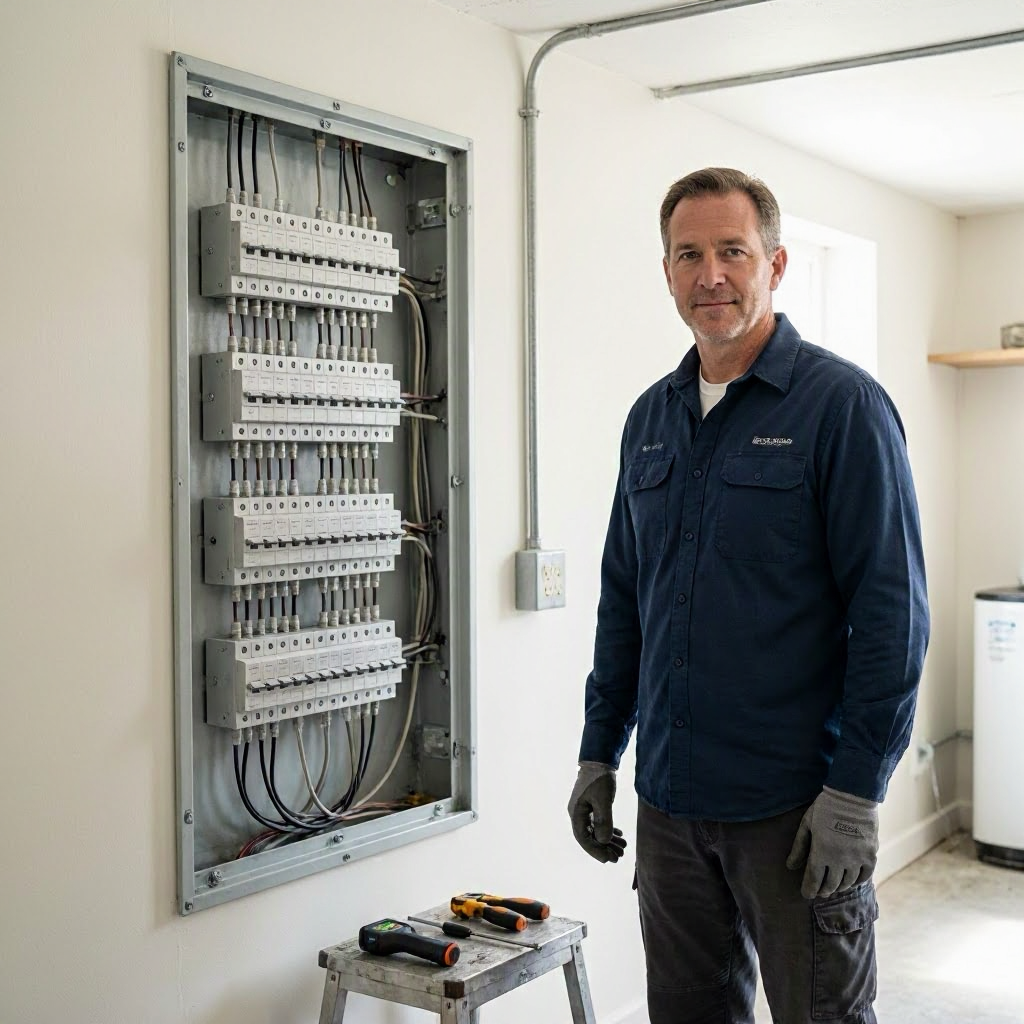
How to save money on electric bill in 2026
Why Your Electric Bill Matters in 2026
Electric bills are a major household expense for many Americans, often ranking among the top three utilities alongside water and gas. In 2026, with potential rate hikes due to grid upgrades, weather extremes, and demand growth, focusing on savings makes sense for renters, homeowners, families, and anyone on a fixed budget. The good news is most savings come from simple changes you control, like usage habits and efficiency tweaks, without major renovations.
Start by gathering your last three months of bills from your utility provider. Review them line by line for usage (in kilowatt-hours or kWh), rates per kWh, fixed fees, taxes, and any riders or surcharges. This baseline shows where your money goes, whether it's summer AC spikes or winter heating.
Many households waste 10-20% on overlooked areas like standby power or inefficient bulbs. Track patterns: compare weekday vs. weekend use, or peak summer months. Use your utility app or online portal if available, or call customer service for a usage history report.
Step 1: Audit Your Current Usage
Before changes, pinpoint high-usage culprits. Most utilities offer free online tools or paper audits. Log into your account at sites like those from Duke Energy, PG&E, or your local co-op.
Check these bill sections first:
- Total kWh used: Aim to reduce by 5-15% initially through habits.
- Tiered rates: Higher usage often means higher per-kWh costs in states like California.
- Demand charges: Common for larger homes or businesses.
- Fixed fees: These won't change, but minimizing variable costs helps.
Download a free home energy audit checklist from energy.gov/energysaver. Walk your home noting appliances, bulb types, insulation, and window seals. Apps like EnergyCAP or utility-specific trackers help log data.
For renters, focus on habits since you can't alter the building. Homeowners might qualify for free pro audits via programs like those from the U.S. Department of Energy.
Separate needs (fridge, lights) from flexible (dryer, gaming consoles). Note peak hours, often 4-9 p.m., when rates spike.
Quick Behavioral Changes for Fast Savings
Small daily tweaks yield quick results without spending money. These work for apartments, houses, or multi-family homes.
Turn off and unplug:
- Switch off lights when leaving rooms. Use occupancy sensors if installed.
- Unplug "vampire" devices like chargers, TVs, and microwaves that draw power when idle. Use power strips to cut standby load entirely.
Laundry and dishes:
- Wash full loads only, in cold water. Air-dry clothes when possible.
- Run dishwasher's air-dry cycle and skip heated dry.
Cooking habits:
- Match pot size to burner. Use lids to boil faster.
- Batch-cook in the oven instead of multiple stovetop uses.
Hot water tweaks:
- Shorten showers to 5 minutes. Install low-flow showerheads (under $20 at hardware stores).
- Wash clothes in cold; it cleans nearly as well for most fabrics.
Families with kids: Set house rules like "lights out when leaving" or device curfews. Track one week's savings by noting meter readings before/after changes.
Optimize Heating and Cooling: The Biggest Savings Opportunity
HVAC systems eat 40-50% of electric use in most U.S. homes. In 2026, with hotter summers forecast, prioritize this.
Thermostat control:
- Set to 78°F in summer, 68°F in winter when home. Raise 7-10°F when away.
- Use programmable or smart thermostats like Nest or Ecobee (check for utility rebates). They learn your schedule.
Maintenance:
- Clean or replace filters monthly; dirty ones add 5-15% to bills.
- Seal ducts with mastic or foil tape if accessible. Homeowners: Schedule annual pro tune-ups.
Fans and zoning:
- Ceiling fans on counterclockwise in summer push cool air down.
- Close blinds during peak sun hours. Use window films on south/west exposures.
For apartments, request landlord maintenance on vents or windows. Avoid space heaters; they're inefficient.
In hot states like Texas or Florida, close AC vents in unused rooms. Cold-climate homes: Layer clothing before cranking heat.
Upgrade Lighting and Appliances Efficiently
Old bulbs and appliances are money pits. Focus on high-use items first.
Lighting:
- Swap incandescents for LEDs. They use 75% less energy and last 25x longer.
- Use task lighting (desk lamps) over whole-room floods.
Appliances:
- ENERGY STAR models save 10-50% per unit. Replace first: fridge (runs 24/7), washer/dryer, water heater.
- Check labels for yellow EnergyGuide stickers showing yearly kWh.
Don't buy impulsively:
- Calculate payback: A $50 LED fridge might save $100/year.
- Shop sales at Home Depot, Lowe's, or Best Buy. Compare unit costs.
Renters: Portable options like efficient fans or LED shop lights. Homeowners: Look for bulk rebates.
| Appliance | Typical Old Model Use (kWh/year) | ENERGY STAR Savings Potential |
|---|---|---|
| Refrigerator | 700+ | Up to 40% lower |
| Clothes Washer | 500+ | 25%+ with cold water |
| Water Heater (electric) | 4,000+ | 50% with heat pump model |
| Dehumidifier | 1,000+ | 30% efficient models |
Verify your models at energystar.gov/productfinder.
Cut Phantom Power and Electronics Drain
Standby power from always-on devices adds 5-10% to bills. In 2026, with more smart home gadgets, this grows.
Hunt vampires:
- TVs, cable boxes, game consoles: Biggest offenders.
- Use smart power strips that auto-off after inactivity.
Smart home savings:
- Wi-Fi plugs (TP-Link Kasa) let you schedule or remote-control.
- Avoid always-on smart speakers if unused.
Charge phones overnight less; use blocks. Laptop users: Shut down fully.
Multi-person homes: Assign "power captain" weekly to unplug.
Explore Utility Plans and Rate Options
Rates vary by provider and state. Deregulated markets (Texas, parts of Northeast) let you shop providers.
Time-of-Use (TOU) plans:
- Shift use to off-peak (nights, early mornings) for lower rates.
- Charge EVs or run laundry then. Utilities like SCE or APS promote these.
Budget billing: - Even out payments monthly based on yearly average. Prevents summer shocks.
Prepay or managed plans: - Some offer credit for low usage. Check your bill or site for options.
Call your provider: Ask about low-income discounts, senior rates, or medical baselines. No upfront cost to inquire.
Tap Into Rebates, Incentives, and Assistance
Federal and state programs reward efficiency. Verify eligibility at dsireusa.org or energy.gov.
Federal tax credits:
- Up to 30% for heat pumps, solar panels via Inflation Reduction Act (check irs.gov/credits-deductions).
- Energy Efficient Home Improvement Credit for insulation, windows.
Utility rebates:
- Free LEDs, efficient AC tune-ups, smart thermostats. Search "[your utility] rebates".
- Home Energy Rebate programs rolling out in 2026 via DOE.
Assistance for low-income:
- LIHEAP (liheap.org or 211.org) covers bills. Apply yearly.
- Utility hardship funds: PSEG, ComEd examples have them.
Seniors, veterans, families: Check state PUC sites or 211 for local aid. Keep applications and approvals.
| Program Type | Examples | How to Access |
|---|---|---|
| Federal Credits | IRA incentives for heat pumps | IRS Form 5695 |
| Utility Rebates | Free LED bulbs, thermostat | Provider website/account |
| Bill Assistance | LIHEAP, local funds | 211.org or utility site |
| Audits | Home Performance | Energy.gov/energysaver |
Long-Term Strategies: Renewables and Insulation
For bigger savings, invest wisely.
Insulation and sealing:
- Attic, walls, floors: DIY foam sealant for gaps. Pro audits spot leaks.
- Weatherstripping doors/windows: $20 kit saves 10%.
Solar panels:
- Rooftop systems pay back in 6-10 years with net metering.
- Lease or PPA options for renters/homeowners. Check energy.gov/solar.
Heat pump water heaters: - Swap electric tanks; qualify for rebates.
Finance via utility on-bill programs. Gig workers or variable income: Start small.
Electric Vehicles and Charging Savings
EV ownership rising; charge smart.
- Off-peak charging halves costs.
- Level 2 chargers with timers.
- Utility EV rates often discounted.
Carpool or public chargers via apps like PlugShare to cut home use.
Negotiate and Switch Providers if Possible
In regulated states, call before rate hikes (notices mailed 30-60 days prior).
Script: "What lower-rate plans or discounts qualify? Any budget options?"
Deregulated: Compare at powertochoose.org (Texas) or similar state sites.
Watch for exit fees. Switch online; takes 1-2 bills to see savings.
Avoid door-to-door "bill reducers"; verify via PUC.
Track and Maintain Your Savings
Savings stick with monitoring.
Monthly checklist: 1. Read meter or check app usage. 2. Note bill changes. 3. Adjust habits as needed. 4. Log rebates received.
Use a spreadsheet: Columns for month, kWh, bill total, changes made.
Re-audit yearly. Share tips with neighbors for community solar or group buys.
Realistic expectations: 10-30% savings common with combined steps. Track actuals, not promises.
Avoiding Scams and Pitfalls
Fake "energy savers" call promising cuts; they charge fees without results. Verify via official utility sites.
Door knockers pushing unneeded audits: Stick to DOE-recommended pros.
"Free government rebates" emails: Only apply through energy.gov or 211.
Free trials for "smart savers": Set reminders; cancel before charges.
Keep records: Bills, confirmations, quotes. Dispute errors within 60 days.
Gig economy tip: Remote workers, offset AC with fans during calls.
For multi-generational homes: Balance comfort with timers.
By 2026 end, review progress. Adjust for life changes like new appliances or family size.
These steps help stretch dollars safely, prioritizing health and comfort. Verify local details with your utility or energy.gov/energysaver for tailored advice.

About the TDL Expert Panel
TDL Expert Panel · TheDigitalLife Editorial Team
TDL Expert Panel is the editorial team behind TheDigitalLife. The team researches, reviews, and creates practical guides to help everyday readers make better decisions about home repair costs, refunds, AI tools, digital safety, productivity, and useful online resources. Each guide is written to be clear, useful, and easy to understand.