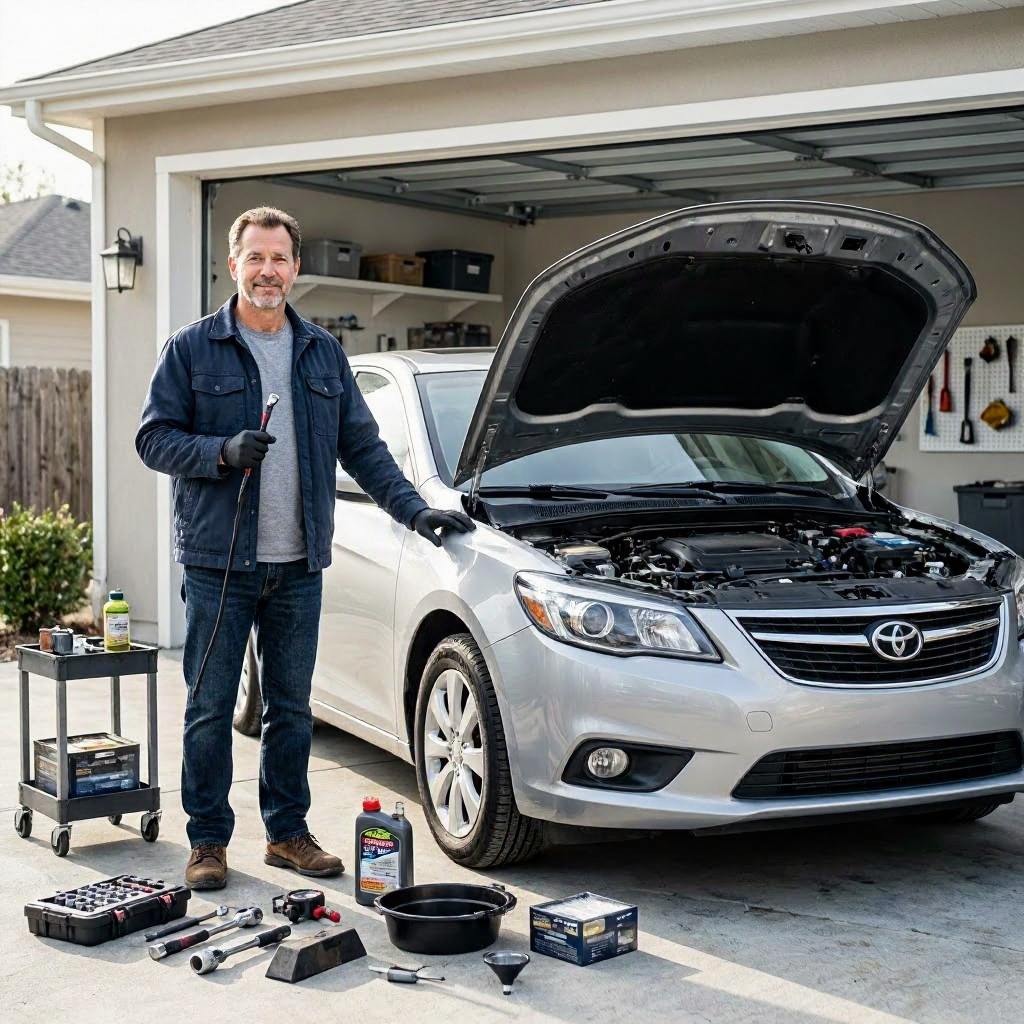
How to save money on car maintenance in 2026
---
Why Car Maintenance Costs Matter in 2026
Car ownership comes with ongoing expenses, and maintenance often surprises US drivers with unexpected bills. In 2026, rising parts prices and labor rates make it essential to plan ahead. Average households spend hundreds of dollars yearly on routine services like oil changes, tire rotations, and brake checks, according to US consumer reports.
The good news is you can cut these costs without risking safety. Focus on preventive care, smart shopping, and basic DIY steps tailored to your vehicle's needs. This guide walks you through practical ways to lower car maintenance expenses while keeping your car reliable for commutes, family trips, or gig work.
Start by reviewing your owner's manual and recent service records. Check your bank statements for past repair charges to spot patterns, like frequent brake work from skipping rotations.
Build a Realistic Car Maintenance Budget
A simple budget helps you anticipate costs instead of reacting to breakdowns. List your car's make, model, year, and mileage, then note upcoming services from the manual's schedule.
Separate essential maintenance (oil changes, tire pressure) from optional upgrades. For a typical sedan, budget $50 to $100 monthly for routine items, adjusting for trucks or SUVs that cost more.
Use free tools like a spreadsheet or bank app to track. Set calendar reminders for services two weeks before due dates. Review spending every three months to adjust.
Sample Monthly Maintenance Budget Outline
| Expense Type | Estimated Cost | Frequency | Notes |
|---|---|---|---|
| Oil change | $40–$80 | Every 5,000 miles | Check for synthetic needs |
| Tire rotation | $20–$40 | Every 5,000–8,000 miles | Often bundled with oil |
| Air filter | $15–$30 | Annually | DIY possible |
| Brake inspection | $0–$50 | Every 10,000 miles | Free at many shops |
| Total Monthly Average | $50–$100 | Varies | Build in buffer for surprises |
This table gives a starting point; verify intervals for your vehicle.
Follow a Preventive Maintenance Schedule
Skipping basics leads to pricier fixes, like neglected tires causing alignment issues. Stick to manufacturer intervals to maintain warranty coverage and fuel efficiency.
Key routine tasks:
- Oil and filter: Every 3,000–10,000 miles, depending on oil type.
- Tires: Rotate every 5,000–8,000 miles; check pressure monthly.
- Filters: Air, cabin, and fuel yearly or per manual.
- Brakes: Inspect pads every 10,000 miles.
- Battery and belts: Check every 15,000 miles.
Download your car's schedule from the manufacturer's US site. Apps like MyCarfax or Fuelly offer free reminders synced to your odometer.
For 2026 models, expect more emphasis on software updates for hybrids and EVs, which shops may charge for. Do over-the-air updates yourself if available.
Safe DIY Maintenance to Cut Costs
Many tasks require minimal tools and save 50% or more versus shop rates. Start with what matches your skill level and garage setup.
Beginner-friendly DIY jobs:
- Check and add fluids (oil, coolant, windshield washer).
- Inspect tire pressure and tread depth with a gauge ($10 at auto stores).
- Replace wiper blades ($20–$40 for a set).
- Swap cabin air filter (under $20, 10 minutes).
Buy parts from trusted US retailers like AutoZone or Advance Auto Parts, using their loaner tools. Watch manufacturer YouTube tutorials specific to your model.
Tools worth owning:
- Basic socket set ($30–$50).
- OBD-II scanner ($20–$50) for check-engine codes.
- Jack stands and floor jack for safe under-car work.
Never DIY brakes, suspension, or airbags unless experienced. Safety first: park on level ground, chock wheels, and wear gloves.
Shop Smart for Parts and Supplies
Overpaying happens when rushing to the nearest store. Compare unit prices and quality before buying.
- Buy generics: Store-brand oil, filters, and belts match OEM specs at half the price.
- Bulk for multiples: Tires or batteries if rotating among cars.
- Online vs in-store: Amazon or RockAuto for parts, but factor shipping and returns. Pick up in-store to skip fees.
Check loyalty programs at O'Reilly or NAPA for points toward free items. Use cash-back cards on auto purchases, but pay off monthly.
Avoid "lifetime" warranties that require specific shops. Read terms for restocking fees.
Parts Shopping Checklist
- Cross-reference part numbers with your VIN.
- Compare prices at 3+ retailers.
- Read recent reviews for fit and durability.
- Confirm return policy (most offer 30–90 days).
- Keep receipts for warranty claims.
Find Reliable, Affordable Repair Shops
Labor rates average $100–$200 per hour in 2026, varying by state. Shop around without compromising quality.
How to choose:
- Ask neighbors, coworkers, or online US forums like Reddit's r/MechanicAdvice for local recommendations.
- Use AAA-approved shops or those certified by Automotive Service Excellence (ASE).
- Get written estimates from 2–3 places before work starts.
Negotiate effectively:
- Mention competing quotes.
- Ask for "cash discount" or off-peak scheduling.
- Bundle services like oil with rotation.
For chain stores like Jiffy Lube or Midas, check coupons on their sites. Independent shops often beat chains on price for major work.
Verify state licensing via your Secretary of State's site or Better Business Bureau.
Use Discounts, Rebates, and Assistance Programs
Lower-income households or seniors qualify for aid. Check these US options:
- Military discounts: 10–20% at many chains for veterans.
- Student or AARP deals: Oil changes under $30.
- Fleet programs: If gig worker, ask about Uber/Lyft partner shops.
Employer perks through programs like Working Advantage offer auto savings. Credit unions like PenFed have member shop networks.
For low-mileage drivers, some insurers like Geico bundle maintenance discounts with policies. Verify through your agent.
Watch for manufacturer rebates on parts via their US sites. Enter your VIN for recall checks, which fix issues free.
Maintain Fuel Efficiency to Indirectly Save on Maintenance
Good habits extend part life. Dirty sensors or low pressure spike fuel use and wear.
Quick efficiency checks:
- Keep tires at recommended PSI (check door sticker).
- Clean air filter to improve MPG.
- Use cruise control on highways.
In 2026, with higher gas prices possible, this pays off. Track MPG monthly to spot issues early.
Handle Warranties and Recalls Wisely
Extended warranties cost $1,000+, but stock ones cover powertrain up to 60,000–100,000 miles. Read yours for maintenance requirements.
Check NHTSA.gov for free recalls using your VIN. Dealers must fix safety issues at no charge.
If buying used, get a pre-purchase inspection ($100–$200) to avoid lemons.
Avoid Common Scams and Unnecessary Upsells
Shops push extras like "fuel injector cleaning" rarely needed. Signs of trouble:
- No written estimate.
- Pressure to approve work immediately.
- Guarantees of "problems only we find."
File complaints with FTC at consumer.ftc.gov or your state attorney general. Keep service invoices for disputes.
Red flag checklist:
- Vague diagnoses without codes.
- High markups on parts (ask for breakdown).
- Ignoring your denial of add-ons.
Electric and Hybrid Vehicle Specific Savings
If driving an EV or hybrid in 2026, maintenance drops—no oil changes. Focus on:
- Tire rotations (wear faster).
- Battery health checks via app.
- Cabin filters.
Charge at home to avoid public fees. Check energysaver.gov for efficiency tips.
Track Your Savings and Adjust
After changes, monitor statements for six months. Note savings like "$200 less on tires via rotation."
Adjust for life changes, like longer commutes. Share tips with family to multiply savings.
Savings tracker template:
- Month | Service | Cost Before | Cost After | Savings
- Example: Jan | Oil change | $60 | $35 DIY | $25
Long-Term Strategies for 2026 and Beyond
Consider right-sizing your vehicle. Smaller cars or efficient SUVs lower maintenance baselines.
Carpool or use transit apps to cut miles. Remote work reduces wear.
Insure comprehensively but shop quotes annually via sites like Insurify. Higher deductibles save premiums if cash-flow allows.
Bundle with roadside assistance like Good Sam for peace of mind.
By prioritizing prevention and smart choices, US drivers can shave hundreds off yearly car care. Start with one task this week, like a pressure check, and build from there. Your wallet and reliable rides will thank you. ---

About the TDL Expert Panel
TDL Expert Panel · TheDigitalLife Editorial Team
TDL Expert Panel is the editorial team behind TheDigitalLife. The team researches, reviews, and creates practical guides to help everyday readers make better decisions about home repair costs, refunds, AI tools, digital safety, productivity, and useful online resources. Each guide is written to be clear, useful, and easy to understand.