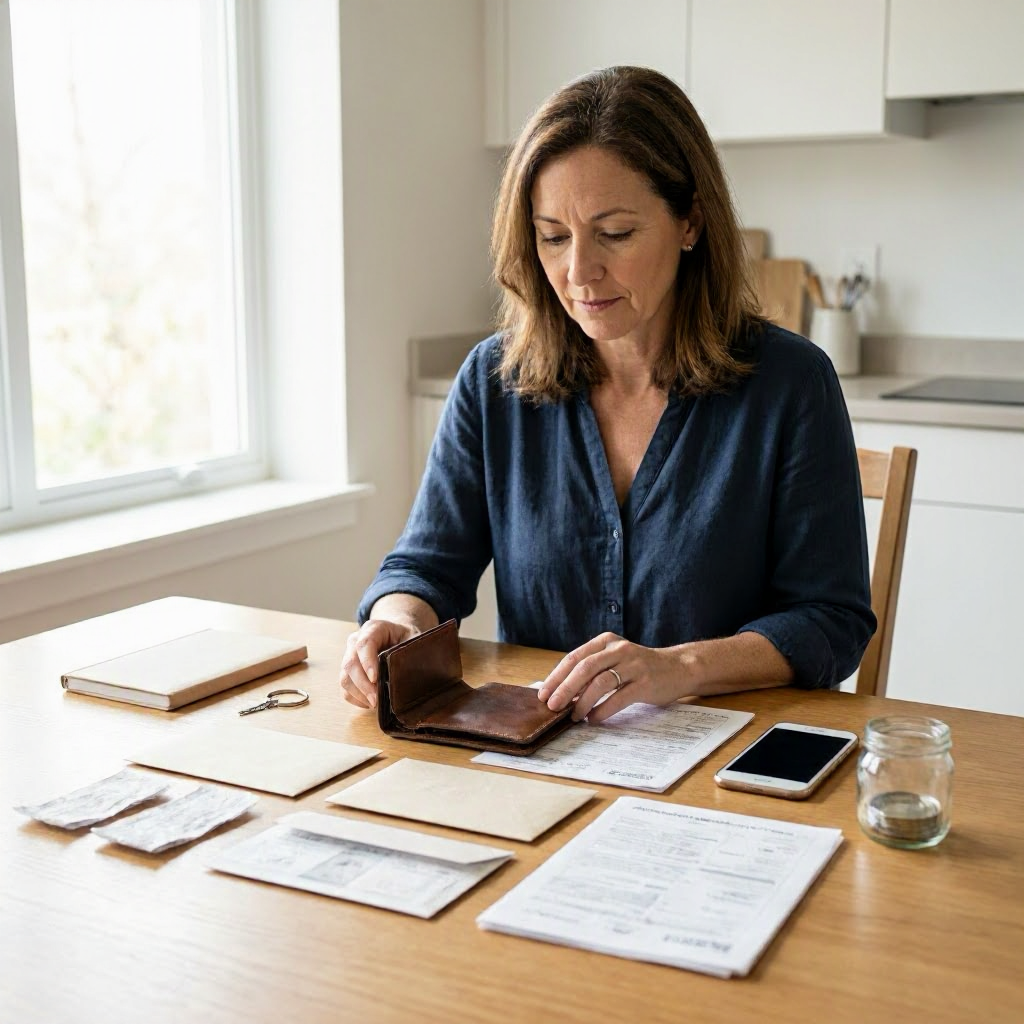
Preparing for a Financial Emergency With No Savings
An emergency fund is valuable, but preparation does not begin only after hundreds or thousands of dollars are saved. When cash is limited, organized records, insurance knowledge, working alerts, backup transportation, and a small supply of essentials can reduce the amount an emergency costs.
Build one layer at a time. Do not borrow at high cost merely to make a savings account display a target number.
Identify the most likely disruptions
List the events that would immediately threaten the household: missed work, vehicle trouble, urgent travel, medical copay, appliance failure, utility interruption, storm evacuation, or temporary housing need.
For each, write the first expense and the organization that controls it. A repair warranty, employer leave policy, insurer, utility hardship team, or local transit backup may reduce the cash required.
Prioritize high-likelihood and high-consequence events. Preparing for every imaginable disaster at once can consume money without improving the most realistic risk.
Build a financial document kit
Gather identification copies, insurance policies, lease or mortgage information, account contacts, prescriptions, household member details, vehicle records, benefit notices, and emergency numbers. Store protected digital copies and a portable paper summary without unnecessary full account numbers.
Ready.gov provides an Emergency Financial First Aid Kit for organizing household, financial, and legal information. Adapt it to the documents your household actually uses.
Review beneficiaries, emergency contacts, recovery phone numbers, and account access. A missing password or expired ID can turn a manageable event into a costly delay.
Ready.gov's guidance on the kit comes to three points: gather key financial documents, medical records and household contracts; add photos or video of your home and belongings; and store the originals securely away from home.
Create a contact map before crisis hours
Record the verified numbers for insurers, utilities, landlord or mortgage servicer, employer, school, doctor, pharmacy, roadside service, bank fraud team, local 211, and trusted contacts. Add after-hours routes where they exist.
Identify a nearby food pantry, shelter or safe lodging option, community action agency, and public transit route. Verify general eligibility, but understand that hours and funding can change.
Do not rely solely on a phone's contacts. Keep a protected paper copy in case the device is lost or unpowered.
Ask one trusted person outside the household to keep an agreed emergency contact method. Decide in advance who can collect a child, check on a pet, provide a ride, or relay information. Do not give broad financial authority merely for convenience; use formal, limited arrangements when authority is genuinely needed.
| Need | National contact |
|---|---|
| Local help of any kind | 211 |
| Food | USDA National Hunger Hotline, 1-866-348-6479 |
| Energy bills | National Energy Assistance Referral line, 1-866-674-6327 |
| Housing counseling | HUD-approved agencies, 800-569-4287 |
| A problem with a bank, lender or collector | Consumer Financial Protection Bureau, (855) 411-2372 |
Add your own landlord, utilities, insurer and bank below these.
Reduce single points of failure
Keep essential devices charged and maintain a safe backup charging option. Store a spare house key with a trusted person, keep the vehicle above a practical fuel floor, and know an alternate route to work or care.
Maintain necessary medicines through normal refill rules and keep a current medication list. Follow clinical and safety guidance; do not stockpile or change doses.
Test smoke alarms, know utility shutoffs, and maintain basic supplies appropriate to local hazards. Prevention often costs less than recovery.
Start with a tiny reserve
Choose a first target tied to a real expense: one bus week, prescription copay, insurance deductible installment, or three days of basic groceries. Save in small, repeatable amounts after essentials.
Keep emergency money accessible enough to use but separate from daily spending. Avoid an account whose fees or withdrawal rules are likely to consume a small balance.
Direct windfalls only after confirming taxes, overdue essentials, and immediate obligations. Even a partially funded target can reduce reliance on a payday or title loan.
Automate an amount small enough that it will not trigger overdraft or missed essentials, or save manually after each dependable deposit. Track progress by the emergency the balance can now cover rather than comparing it with an arbitrary social-media target.
Ready.gov advises keeping some small bills at home, because ATMs and card readers may not work in a disaster. For the rest, the CFPB's emergency fund guide says there is no set amount to aim for: look at the unexpected costs you have had before and start with a figure that would have covered one of them. See how to build a small emergency fund from zero.
Improve insurance and warranties
Read what health, renters, homeowners, auto, disability, and life coverage actually includes, with deductibles and exclusions. Photograph important property and store receipts for major items.
Check manufacturer warranties, service contracts, roadside assistance, and card benefits before buying duplicate protection. Save claim numbers and instructions.
Do not cancel critical insurance to create an emergency fund without assessing the much larger uncovered risk.
Ready.gov includes an insurance review in financial preparedness and mentions flood coverage in particular. Ask your insurer in writing what your current policy covers and what it excludes.
Prepare an emergency budget now
Write the minimum weekly costs for food, housing, utilities, medicine, transportation, and caregiving. List optional charges that can be paused and which automatic payments require notice.
Use USAGov's hardship directory to identify official benefit and assistance categories. Save the local administering agency, not merely the federal overview.
Draft a short hardship message for a landlord, utility, insurer, or creditor. Having the facts and request ready can save time when offices are busy.
Add a one-week backup menu and transportation plan using realistic local prices. Rotate stored food before it expires and replace used supplies gradually. Preparation should reduce waste, not create a second shopping category filled with items the household never uses.
Practice the plan quarterly
Check that phone numbers, documents, insurance dates, account recovery, supplies, and local referrals are current. Ask household members where the kit is and whom to contact.
After any disruption, note what cost the most and what information was missing. Use that experience to choose the next small savings target or backup.
Related guides: how to cover a $400 emergency when you have no savings and how to create a bare-bones budget in one hour.
Preparation cannot remove every financial emergency, and assistance is not guaranteed. It can make the first decisions faster, safer, and less expensive while savings grow.
Sources:
- Financial preparedness, Ready.gov
- Get help with financial hardship, USAGov
- 211, find local help
- An essential guide to building an emergency fund, Consumer Financial Protection Bureau

Written by TheDigitalLife Editorial Team
Edited by R. K. Tiwari
Owner & Editor
R. K. Tiwari is the owner and editor of TheDigitalLife. He checks each guide against official U.S. sources before it is published.
About the editor and our editorial standards