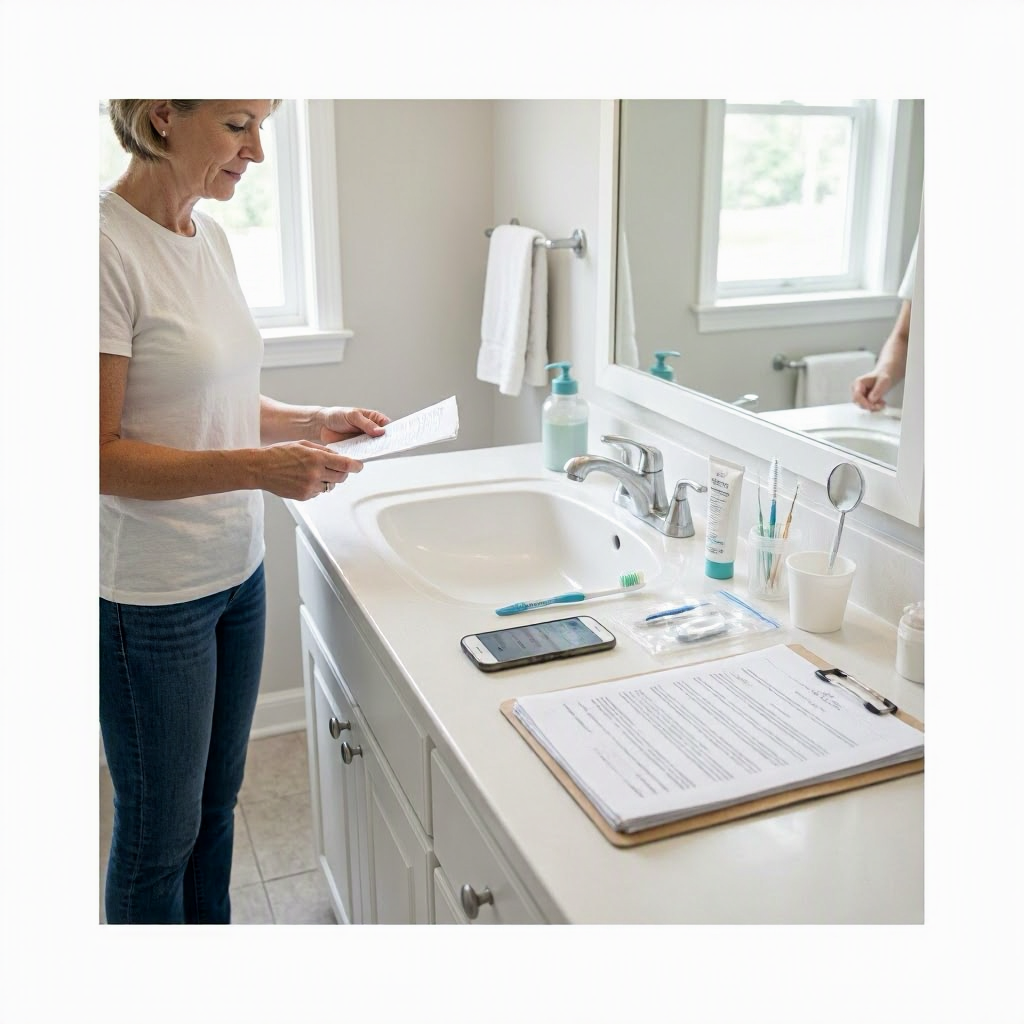
How to get low-cost dental care if you do not have dental insurance
Why Dental Care Costs More Without Insurance and What You Can Do
Dental care in the United States often stands apart from medical coverage. Most health insurance plans, including employer-sponsored ones, Medicare Part A and B, and many marketplace plans, do not cover routine dental work like cleanings, fillings, or exams. Without a standalone dental plan, you pay full price out of pocket, which can add up quickly.
Average costs for basic services range widely by location and provider. A routine cleaning might cost $75 to $200, while a filling can run $100 to $300 per tooth. More complex needs like root canals or crowns often exceed $1,000. These figures come from general consumer reports, but always verify current prices with local providers.
The good news is that low-cost options exist for uninsured adults. You can access community clinics, discount programs, government aid, and negotiation strategies. Start by assessing your needs: preventive care like exams and cleanings, or urgent fixes like extractions? Gather your ID, proof of income (pay stubs, tax returns), and household size details before seeking help. These documents unlock sliding-scale fees or assistance.
Contact local resources first to avoid overpaying. Document every call with dates, names, and reference numbers. This article outlines practical steps tailored for uninsured U.S. patients.
Find Free or Low-Cost Clinics Near You
Community-based clinics offer the most affordable entry point for uninsured patients. Many charge based on income through sliding fee scales, where you pay what you can afford, often $20 to $50 for a cleaning.
Federally Qualified Health Centers (FQHCs)
FQHCs provide comprehensive care, including dental services, to underserved communities. They receive federal funding to serve uninsured or low-income patients. No one is turned away for inability to pay.
To find one:
- Visit the Health Resources and Services Administration (HRSA) finder at findahealthcenter.hrsa.gov. Enter your ZIP code.
- Call the clinic directly from the listing. Ask: "Do you offer dental services on a sliding fee scale? What income documents do I need?"
- Bring proof of income, residency, and ID. Fees typically start at $0 for the lowest incomes (up to 100% of the federal poverty level, around $15,060 for one person in 2024).
FQHCs often handle cleanings, fillings, extractions, and X-rays. Wait times can be 2-4 weeks for non-emergencies, so book early.
Dental Schools and Teaching Clinics
Dental schools train students under licensed supervision, offering services at 30-50% below private rates. A cleaning might cost $40, a filling $80.
Steps to access:
- Search "dental school clinic [your city/state]" or use the American Dental Association (ADA) directory at ada.org.
- Call ahead: "What services do you provide for uninsured patients? Are there income-based discounts?"
- Expect longer appointments (2-3 hours) due to supervision. Quality matches private care, but availability varies.
Major schools like NYU, UCLA, and University of Michigan have public clinics. Check for evening or weekend slots.
Free Clinics and Charitable Dental Programs
Mission of Mercy (MOM) events and Donated Dental Services (DDS) provide free care for those in need. MOMs are multi-day events with volunteer dentists; DDS matches patients with pro bono providers.
How to get involved:
- Find MOM events at amdsmom.org or your state dental association.
- For DDS, contact your state dental society via ada.org or Dental Lifeline Network at dentallifeline.org. Eligibility often requires disability, age 65+, or income below 200% of poverty.
- Apply online or by phone. Provide medical history, income proof, and photos of dental issues if requested.
Other groups like Remote Area Medical (RAM) host free pop-up clinics. Search "free dental clinic [your area]" on official sites.
Enroll in Dental Discount Plans
Dental discount plans are not insurance but networks offering 10-60% off services at participating dentists. Monthly fees range from $10 to $30, often less than a copay.
Popular options:
- Careington, Aetna Vital Savings, or DentalPlans.com networks.
- Sign up via dentalplans.com or careington.com. Choose a plan covering your ZIP code.
- Show your discount card at visits. Savings apply to cleanings (up to 50% off), orthodontics, or implants.
Before buying:
- Verify dentists near you participate: Call the plan provider and ask, "Which local dentists accept this plan for uninsured patients?"
- Read terms: No waiting periods, but pre-existing conditions may limit savings.
- Cancel anytime if unused. Compare 2-3 plans using their cost calculators.
These beat paying full price for occasional visits. Pair with clinics for maximum savings.
Check Government Programs for Coverage
Even without prior dental insurance, you may qualify for public programs.
Medicaid and CHIP Dental Benefits
Medicaid covers dental for children via CHIP, but adult benefits vary by state. Some states offer emergency-only (extractions), others comprehensive care.
Next steps:
- Visit medicaid.gov or your state agency (search " [state] Medicaid dental"). Check eligibility: Income often up to 138% federal poverty level.
- Apply online or call 1-877-KIDS-NOW for CHIP. Ask: "Does my state Medicaid cover adult dental exams, fillings, or dentures?"
- If approved, get an ID card. Use it at enrolled dentists.
Twenty-eight states plus DC provide some adult dental as of recent data; verify yours.
HealthCare.gov Marketplace Plans
Standalone pediatric dental is required for kids, but adults can buy individual dental plans during Open Enrollment (November 1-January 15) or Special Enrollment Periods (SEPs).
For SEPs if uninsured:
- Triggering events like losing employer coverage qualify you. See HealthCare.gov/coverage-outside-open-enrollment/special-enrollment-period.
- Compare plans: Premiums $20-60/month, with copays and deductibles. Ask agents: "Which plans have low copays for cleanings and no waiting periods?"
- Enroll via HealthCare.gov or 1-800-318-2596.
Short-term plans sometimes include dental, but check networks.
Use Sliding Fee Scales and Hospital Financial Aid
Private dentists and hospitals with dental departments often offer income-based discounts or charity care, required by law for nonprofits.
How to apply:
- Call the billing office: "Do you have a financial assistance policy for uninsured patients? What income threshold qualifies?"
- Submit an application with pay stubs, tax returns (last two years), bills, and household details. Many forgive 100% for incomes below 200-400% poverty.
- Request to pause billing during review. Get written approval.
For chain practices like Aspen Dental, ask about in-house plans. Always get itemized estimates first.
Negotiate Fees and Set Up Payment Plans
Before treatment, shop around.
Preparation checklist:
- Get written estimates from 2-3 providers. Ask: "What is the cash price for uninsured patients? Any discounts for upfront payment?"
- Compare: Check for unbundled charges (e.g., separate fees for anesthesia).
- Negotiate: "Can you match a lower quote from [clinic name]? Or offer a 20% uninsured discount?"
Payment plans:
- Interest-free options common for 6-12 months. Ask: "What are the terms? Can I pause if income changes?"
- Document agreements in writing, including total amount and due dates.
Avoid credit cards for large bills; medical debt impacts credit.
| Common Dental Need | Average Uninsured Cost Range | Low-Cost Strategy |
|---|---|---|
| Exam & Cleaning | $100-$250 | FQHC sliding scale ($20-$50) or dental school ($40) |
| Filling | $150-$300 per surface | Discount plan (save 40%) or Medicaid if eligible |
| Extraction | $150-$400 | Free clinic event or negotiate 20-30% off |
| Root Canal | $800-$1,500 | Dental school (50% less) or payment plan |
| Crown | $1,000-$2,500 | Charity care application |
Note: Costs vary by location; get quotes.
Focus on Preventive Care to Save Long-Term
Routine checkups prevent costly fixes. Low-cost options prioritize prevention.
- Fluoride treatments or sealants: Often $25 at clinics.
- Over-the-counter aids: Brush twice daily, floss, use ADA-approved products. But see a professional for personalized hygiene.
- Schedule biannual visits at FQHCs to catch issues early.
For pain or swelling, contact a clinic ASAP—don't delay. Dental infections worsen without care.
Prepare for Your Dental Visit
What to bring:
- ID, proof of income/residency.
- List of medications, allergies, symptoms.
- Insurance status note (even if none).
Questions to ask:
- "Is prior authorization or X-rays needed?"
- "What if I can't pay full today?"
- "How will you share results or next steps?"
Use patient portals for records. Request copies of bills and summaries.
Protect Yourself from Dental Scams
Scammers target uninsured patients with fake discount cards or urgent payment demands.
Red flags:
- Unsolicited calls demanding immediate payment via wire, gift card, or app.
- Fake websites mimicking HealthCare.gov or clinics.
- Pressure for Social Security numbers over phone.
Safer steps:
- Verify via official sites like HRSA or ADA.
- Never share bank details with unknown callers.
- Report to FTC at reportfraud.ftc.gov or your state attorney general.
When to Seek Urgent or Emergency Care
For severe pain, swelling, or abscesses, go to an ER for stabilization—they bill medical insurance if you have it. Follow up with a dentist.
FQHCs handle emergencies; call first. Document ER visits for financial aid applications.
Additional Resources for Long-Term Savings
- State dental associations: Find via ADA for local low-income programs.
- Area Agencies on Aging: For seniors 60+, free screenings at eldercare.acl.gov.
- Patient advocates: Free help via patientadvocate.org.
Track all documents: Bills, estimates, applications, call notes. Store securely.
| Resource Type | Where to Start | Key Question to Ask |
|---|---|---|
| FQHC Clinics | HRSA finder tool | "Sliding scale for dental?" |
| Dental Schools | ADA directory | "Uninsured rates today?" |
| Discount Plans | DentalPlans.com | "Local dentists included?" |
| Medicaid | State agency site | "Adult dental coverage?" |
| Charity Events | AMDS MOM site | "Next event dates?" |
By starting with clinics and discounts, most uninsured patients cut costs 50-80%. Verify options in your area, act promptly, and keep records. This approach helps you maintain oral health without breaking the bank.
(Word count: 2487)

About the TDL Expert Panel
TDL Expert Panel · TheDigitalLife Editorial Team
TDL Expert Panel is the editorial team behind TheDigitalLife. The team researches, reviews, and creates practical guides to help everyday readers make better decisions about home repair costs, refunds, AI tools, digital safety, productivity, and useful online resources. Each guide is written to be clear, useful, and easy to understand.