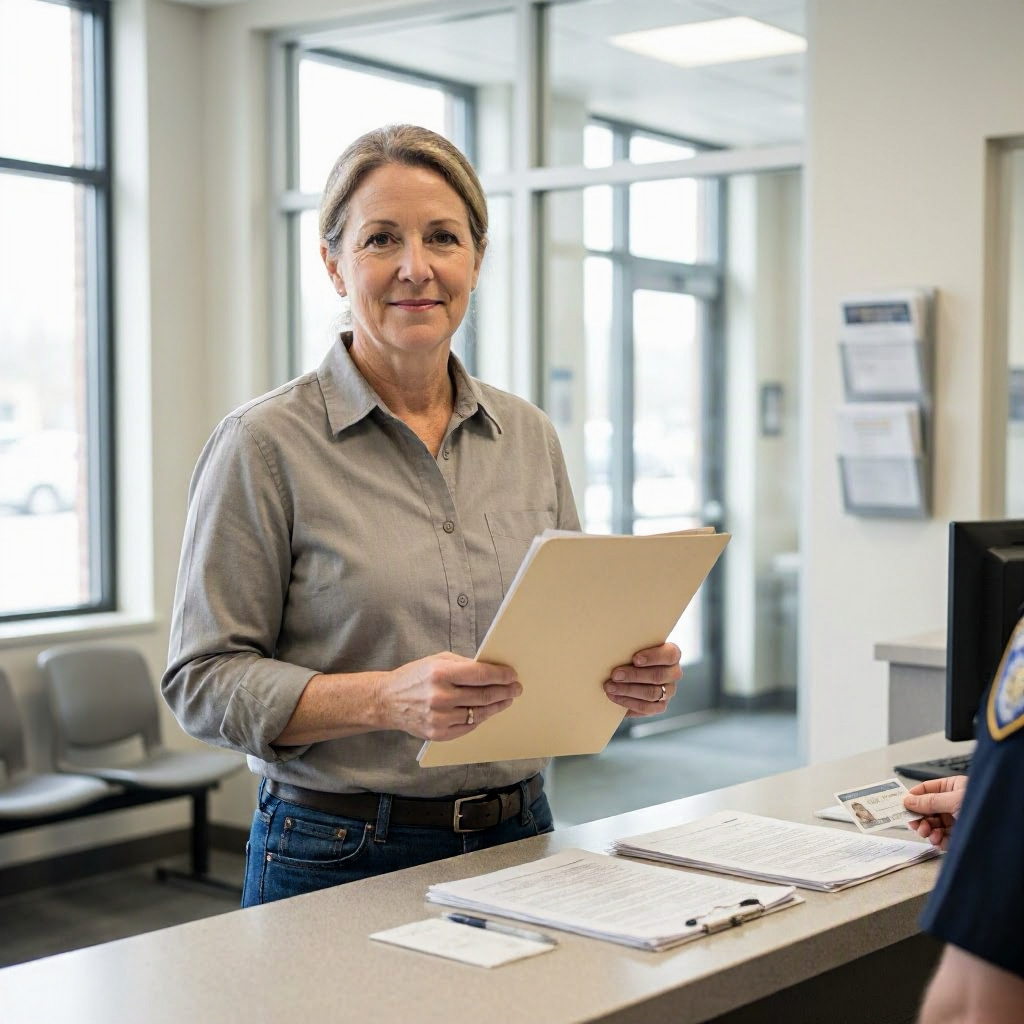
How to get a copy of your police report (and why you should)
Why You Should Get a Copy of Your Police Report
A police report documents an incident reported to law enforcement, such as a car accident, theft, assault, or traffic stop. It includes details like the date, time, location, involved parties, witness statements, and officer observations. Obtaining a copy can protect your interests in many situations.
You might need it for insurance claims, where companies often require the official record to process payouts. For example, after a fender bender in California, your auto insurer may ask for the report number and details to verify fault. Without it, claims can stall or be denied.
In legal matters, the report serves as key evidence. If you're facing charges from a traffic stop or minor crime, your attorney will review it for inaccuracies or defenses. Victims of property crime use it to support restitution requests in court.
Beyond claims and court, police reports help with employment background checks, rental applications, or immigration paperwork. Many U.S. employers and landlords request them to confirm incident details. In 2023, millions of Americans accessed reports for such purposes, though exact numbers vary by state.
Do not ignore the value of acting quickly. Reports become part of public or agency records, and details can fade from memory. This is general information, not legal advice. Always check with the relevant police department or a qualified attorney for your situation.
What Exactly Is in a Police Report?
Police reports follow standard formats across U.S. jurisdictions but vary by agency and incident type. Core elements include:
- Incident details: Date, time, location (street address or coordinates), and type (e.g., hit-and-run, domestic dispute).
- Parties involved: Names, contact info, driver's license numbers, vehicle descriptions, and relationships.
- Narrative section: Officer's summary of what happened, based on statements and evidence.
- Evidence list: Photos, fingerprints, seized items, or lab results if applicable.
- Report number and officer info: Unique ID for tracking, assigned officer's name and badge number.
Some reports are public records under state freedom of information laws, like California's Public Records Act or Florida's Sunshine Law. Others, involving juveniles or ongoing investigations, may be redacted or restricted. Access rules differ by state, county, and city, so verify locally.
Reports are not always final. Supplements can be added if new evidence emerges. Request the most current version when possible.
Common Situations Calling for a Police Report Copy
Consider requesting one if:
- You were in a vehicle accident. Insurers need it to determine liability. In Texas, for instance, reports are mandatory for crashes with injury or over $1,000 damage.
- You were a crime victim. Use it for victim compensation programs through state offices like New York's Office of Victim Services.
- You received a citation or arrest. Review for errors before contesting in traffic or criminal court.
- Identity theft or fraud occurred. File it with the FTC at IdentityTheft.gov, which requires the report.
- Workplace or housing issues arose. Provide it to HR, landlords, or agencies like the EEOC for discrimination claims.
- Child custody or family matters involve an incident. Courts often require documentation.
In these cases, the report provides an official, timestamped record. Gather it early to avoid delays. Rules vary by state and local court, so read any related notices carefully.
Step-by-Step Guide to Requesting Your Police Report
Follow these general steps to obtain a copy. Procedures differ by agency, so start with the one that responded to the incident.
Step 1: Identify the Correct Agency
Determine which law enforcement handled the call. It could be:
- City police department (e.g., NYPD for Manhattan incidents).
- County sheriff's office (rural areas or unincorporated zones).
- State police (highways like I-95).
- Campus or transit police for specific locations.
Check the incident location or original citation for the agency name. Call non-emergency lines (often 311 in cities) to confirm. Keep notes of who you speak with, date, and time.
Step 2: Gather Key Information Before Requesting
Prepare these details to speed up the process:
- Full incident or report number (from citation, call confirmation, or email).
- Date and approximate time of incident.
- Your full name, date of birth, and address at the time.
- Involved parties' names or vehicle info.
- Proof of involvement (ID, citation copy, insurance docs).
Make a checklist:
| Item to Gather | Why It Matters | Example |
|---|---|---|
| Report or case number | Identifies the exact record | "23-04567" from ticket |
| Photo ID (driver's license, passport) | Verifies you as a party | Current state-issued ID |
| Incident date/location | Narrows search | "July 15, 2024, 123 Main St., Chicago" |
| Citation or dispatch number | Links to report | From traffic ticket |
| Proof of relationship (if not primary) | For witnesses/victims | Lease or insurance policy |
This table helps organize your request. Photocopy everything and keep originals safe.
Step 3: Choose Your Request Method
Agencies offer multiple options. Check their website or call records division.
In-Person Requests
Visit the agency's records office during business hours (often 8 a.m. to 5 p.m., weekdays). Bring ID and prepared info. Many departments, like the LAPD, have public counters. Expect same-day copies if available.
Mail or Fax Requests
Download forms from the department website (search "[city] police records request"). Include a self-addressed stamped envelope. Mail to the records unit address. Processing takes 5-14 days.
Online Requests
Portals like those in Phoenix PD or Austin PD allow digital submissions. Upload ID and pay fees online. Delivery via email or mail. Over 100 U.S. departments offer this, but not all.
Phone Requests
Call to start, but most require follow-up in writing or in-person for verification.
Track your request with confirmation numbers. Follow up if no response in 10 business days.
Step 4: Understand Fees and Payment
Copies typically cost $0.10 to $1 per page, plus certification fees ($5-20). Some states cap at $10-25 total. Traffic reports may be free or $6, like in Florida.
Fee waivers exist for indigent requesters or court orders. Pay by cash, check, credit card, or money order. No gift cards or wires, to avoid scams.
Verify fees on the official agency site. Budget $10-50 for most reports.
Step 5: Receive and Review Your Copy
Expect 3-30 days, depending on method and backlog. Redactions protect sensitive info like SSNs.
Review immediately for accuracy. Note errors, but do not alter the document. Contact the agency for corrections if needed.
Keep the original copy safe. Scan and store digitally.
State and Local Variations in Access
Procedures are not uniform across the U.S. Laws like FOIA (federal) and state public records acts govern access, but police reports often have exceptions.
- In New York, use FOIL requests; reports are public after investigation closes.
- California mandates reports within 30 days for accidents; use CHP 555 form for highways.
- Texas charges per page; online portal via TxDOT for crashes.
- Smaller towns may route through county sheriff.
Search "[your city/state] police records request" for official sites. Court self-help centers or state attorney general pages list rules. Always use .gov or verified .org domains.
Checklist for a Smooth Police Report Request
Use this actionable list:
- Confirm agency: Call non-emergency line.
- Collect docs: ID, report number, incident details.
- Check website: Forms, fees, hours.
- Submit request: Choose method, pay fees.
- Track progress: Note confirmation, follow up.
- Review copy: Scan for issues.
- Store securely: Copies, receipts, notes.
Prepare questions for staff: "What is the status?" "Are there supplements?" "How do I request certification?"
How to Use Your Police Report Effectively
Once obtained:
- Insurance: Submit with claim form. Highlight relevant sections.
- Legal proceedings: Share with attorney or pro se in small claims. Do not file without advice.
- Employment/housing: Redact sensitive info before sharing.
- Federal agencies: Attach to FTC complaints or SSA fraud reports.
Never use it to harass or defame. This is general information; consult professionals for your case.
When to Contact Legal Aid or Other Help
If the report involves charges, disputes, or denials:
- Legal aid: Find via LawHelp.org or lsc.gov.
- Court self-help: Many superior courts offer free workshops.
- Victim services: State offices provide advocacy.
- Bar referral: State bar sites connect to low-cost attorneys.
Prepare by listing facts from the report and your questions. Ask: "Does this support my claim?" "What deadlines apply?"
Rules vary by state and local court. You may want to ask legal aid or a qualified attorney.
Watch for Scams When Requesting Reports
Beware third-party sites charging exorbitant fees for "instant" reports. Stick to official agencies.
Red flags:
- Demands for prepaid cards or wire transfers.
- Unsolicited calls claiming "your report is ready."
- Guarantees of "expungement" or changes.
Verify via official channels. Report scams to FTC.gov or local police.
Final Practical Tips for Success
Act promptly after an incident. Save all communications: emails, receipts, notes with names/dates.
If denied access, ask why in writing and appeal per agency policy.
Police reports empower you with facts. Check official sources for your area. This article provides general educational information, not legal advice. For personalized guidance, contact legal aid or a qualified attorney in your state.
(Word count: 2487)

About the TDL Expert Panel
TDL Expert Panel · TheDigitalLife Editorial Team
TDL Expert Panel is the editorial team behind TheDigitalLife. The team researches, reviews, and creates practical guides to help everyday readers make better decisions about home repair costs, refunds, AI tools, digital safety, productivity, and useful online resources. Each guide is written to be clear, useful, and easy to understand.