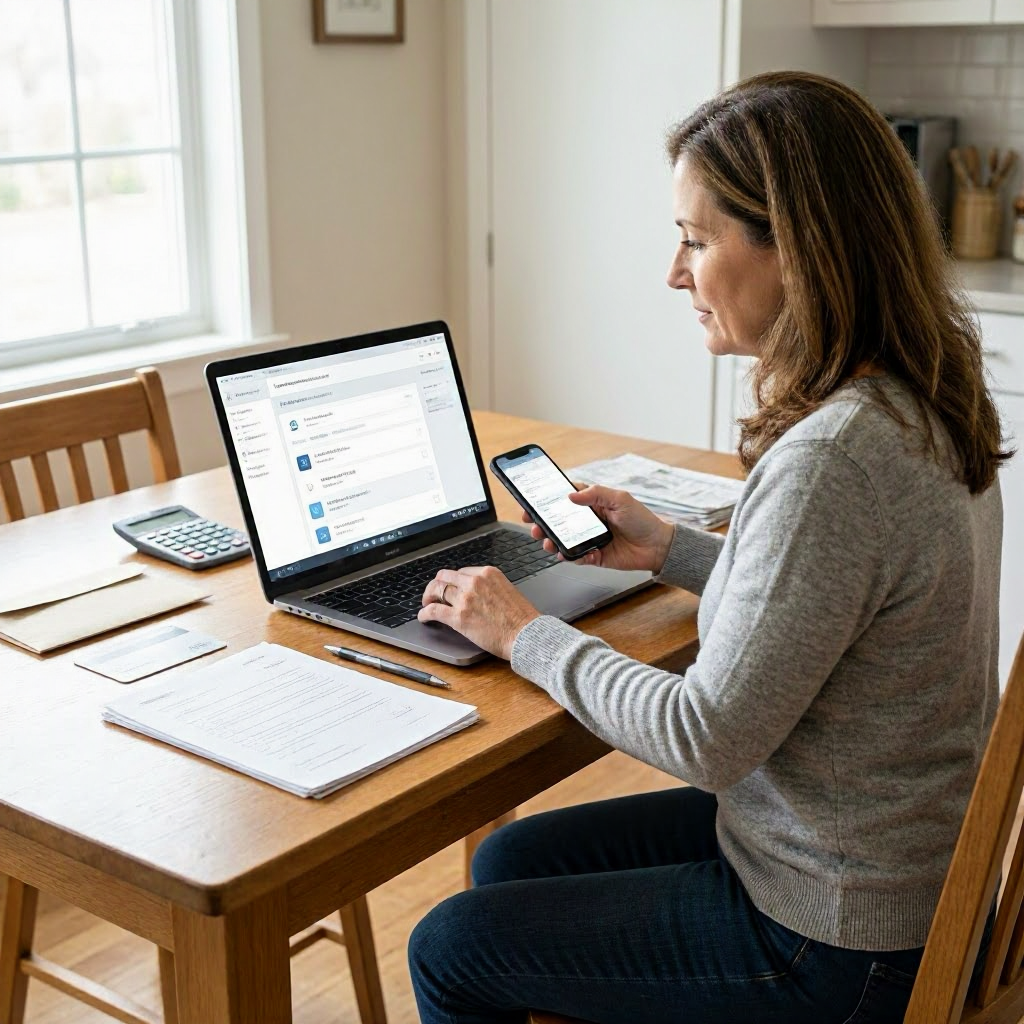
How to apply for SNAP food stamps in 2026
---
What is SNAP?
The Supplemental Nutrition Assistance Program (SNAP), formerly known as food stamps, provides food-purchasing assistance to low-income individuals and families in the United States. Administered by the U.S. Department of Agriculture's Food and Nutrition Service (FNS), SNAP helps eligible households buy groceries at authorized retailers using an Electronic Benefits Transfer (EBT) card. Benefits are loaded monthly and can cover healthy foods like fruits, vegetables, meat, dairy, and bread, but not hot foods, alcohol, or tobacco.
SNAP serves millions of Americans each year, including working families, seniors, people with disabilities, and the unemployed. In 2026, the program may continue to adapt to economic changes, inflation adjustments, and federal funding, but core rules remain focused on household need. State agencies handle day-to-day operations, so processes vary by location.
To get started, visit the official FNS SNAP page at www.fns.usda.gov/snap or Benefits.gov for federal overviews, then check your state's portal.
Who May Qualify for SNAP Food Benefits in 2026?
Eligibility for SNAP depends on factors like household size, income, resources, expenses, and residency. Federal guidelines set broad rules, but states can have slight variations, such as higher income thresholds or deductions for rent and childcare. Rules often update yearly with cost-of-living adjustments, so verify 2026 details through your state agency.
Basic Eligibility Requirements
You may qualify if you: - Live in the U.S. (all 50 states, D.C., Guam, and territories participate). - Are a U.S. citizen or have certain immigration statuses (like lawful permanent residents after a waiting period). - Meet income tests: Gross monthly income typically below 130% of the federal poverty level (FPL), and net income below 100% FPL after deductions. Exact limits depend on household size and state—check your state's SNAP site. - Pass resource tests (assets like bank accounts usually under $2,750 for most households, or $4,250 if someone is elderly or disabled; some states waive this).
Households with seniors (60+), disabled members, or children often get higher deductions for medical costs, shelter, or utilities, improving chances.
Common Household Examples
- A single parent with two kids and low-wage job may qualify if rent and childcare eat into income.
- Unemployed adults without dependents face stricter work requirements (able-bodied adults without dependents, or ABAWDs, limited to 3 months of benefits every 3 years unless working or training).
- Seniors or disabled individuals living alone often qualify based on fixed incomes like Social Security.
Students may qualify if enrolled at least half-time and working, caring for a child, or in approved training. Immigrants' eligibility varies—undocumented individuals cannot get benefits, but eligible children can.
Use the SNAP prescreener tool on Benefits.gov or your state site to estimate eligibility without committing to an application.
Gather These Documents Before Applying
Having documents ready speeds up your SNAP application. Agencies may request proof within 10 days of applying, and missing items can delay approval. Start collecting now, and keep digital scans or copies.
| Document Type | Why It's Needed | Examples |
|---|---|---|
| Proof of Identity | Verifies who you are | Driver's license, state ID, birth certificate, passport |
| Social Security Numbers | For all household members (or proof applying for one) | SSN card, pay stub with SSN |
| Proof of Income | Shows earnings and deductions | Pay stubs (last 4 weeks), unemployment statements, self-employment records, pension or Social Security award letters |
| Proof of Expenses | Reduces countable income | Rent/mortgage receipt, utility bills, childcare costs, medical expenses over $35/month for disabled/elderly |
| Proof of Residency | Confirms U.S. address | Utility bill, lease, shelter letter |
| Household Details | Lists everyone who buys/prepares food together | Names, ages, relationships, immigration status docs if applicable |
For larger households, include info for everyone. If self-employed, bring tax returns or profit/loss statements. Veterans may need VA benefit letters; disabled applicants doctor notes or SSI/SSDI awards.
If you lack a document, explain to your caseworker—they may accept alternatives or help you get it.
Step-by-Step Guide to Applying for SNAP in 2026
Applying for SNAP is free—no fees for legitimate agencies. Start at official sites to avoid scams. Most states process applications within 30 days, or 7 days for emergencies (like very low income or assets).
Step 1: Find Your State's SNAP Agency
SNAP is state-run, so search "[your state] SNAP application" on a government site or use www.fns.usda.gov/snap/state-directory. Examples: - California: cdss.ca.gov/food-assistance - Texas: yourtexasbenefits.com - New York: mybenefits.ny.gov
Call 211 or your local legal aid for help finding the right office.
Step 2: Choose Your Application Method
Options vary by state: - Online: Fastest; create an account on the state portal. Save your username/password and confirmation number. - Mail or Fax: Download the form from the state site, fill it out, and send. - In-Person: Visit a local office (find via state directory). Good if you need immediate help.
Apply for everyone in your household at once, even if only some qualify.
Step 3: Fill Out the Application
Expect questions on: - Household members (names, DOB, SSN). - Income from all sources. - Expenses (rent, utilities, medical). - Resources (bank balances, vehicles). - Work status and immigration details.
Be accurate—underreporting can lead to overpayments later. Sign electronically or by hand.
Step 4: Submit and Get Confirmation
Upload docs online if possible, or bring/mail them. Save screenshots of submissions, emails, and mailed tracking. You'll get an application ID or case number.
Step 5: Complete the Interview
Most applicants attend a phone or in-person interview within 10-30 days. Prepare: - Your docs handy. - Answers on daily food spending and job search (if required).
Sample questions: "How much do you spend on rent?" or "Are you looking for work?" Reschedule if needed by calling promptly.
Checking Your Application Status and What Happens Next
After submitting:
- Log into your state portal daily.
- Call your caseworker (number on confirmation notice).
- Expect a decision in 30 days; expedited in 7 for urgent cases.
If approved, you'll get an EBT card by mail (PIN setup required). Benefits start from application date if eligible. Monthly allotments load on a set day—check your state's schedule.
Track everything: Keep approval/denial notices, EBT balance via app or retailer receipt.
Renewing SNAP Benefits and Reporting Changes
SNAP isn't permanent—recertification is required every 6-12 months, depending on your case. Your state sends reminders.
Renewal Steps
- Read the notice for deadlines (often 10-15 days before expiration).
- Submit updated income/expense info online, by mail, or at office.
- Attend interview if requested.
- Report changes anytime: New job, household move, income drop, baby born, etc. Use portal or call.
Missing renewal stops benefits—reapply if lapsed. Keep proof of submission.
Handling Delays, Denials, or Reductions
If Delayed
- Call weekly for status.
- Ask for expedited processing if income < $100 cash + $150 food budget.
- Contact your congressperson's office via www.usa.gov/elected-officials for help.
If Denied
Read the notice for reasons (e.g., income too high, missing docs). You have 90 days to request a fair hearing in most states—file immediately via portal or mail.
Gather supporting docs, note errors, and attend the hearing (phone or in-person). Legal aid can help.
Overpayments or Stops
Repay overissued benefits via deduction or plan. Appeal if you disagree.
| Notice Type | Next Steps |
|---|---|
| Application Pending | Call caseworker; submit missing docs within 10 days |
| Denied | Review reason; request hearing within deadline (often 90 days) |
| Renewal Due | Submit by date on notice; confirm receipt |
| Overpayment | Read demand letter; appeal or set repayment plan |
| Benefits Reduced | Check for unreported changes; report errors |
Special Considerations for 2026
Broadband Expansion Tie-Ins: Some states link SNAP to Affordable Connectivity Program for internet discounts—check if eligible.
Work Rules: ABAWDs may need 80 hours/month work/training; waivers common in high-unemployment areas.
Immigrants: Eligible non-citizens include refugees, asylees; kids under 18 often qualify regardless.
Disaster Areas: Extra benefits possible post-emergencies—monitor FNS alerts.
Verify 2026 changes like Thrifty Food Plan updates on fns.usda.gov/snap.
Avoiding SNAP Scams and Fake Sites
Scammers target benefit seekers with:
- Texts/calls demanding SSN or bank info for "approval."
- Sites charging $50+ for "fast processing."
- Fake EBT cards or "refund" promises.
Safer habits:
- Only use .gov sites.
- Never share EBT PIN.
- Report fraud to USDA hotline (listed on EBT card envelope) or FTC at 1-877-FTC-HELP.
- Ignore social media "instant SNAP" ads.
Contact 211 for verified local help.
Where to Get Free Help Applying or Appealing
- Legal Aid: Search "legal aid [your state] SNAP" via www.lsc.gov.
- SNAP Navigators: Nonprofits via 211 or state sites.
- Caseworkers: Assigned after applying.
- 211.org: Local food banks, application assistance.
For complex cases (disability, veterans), try VA or SSA links on Benefits.gov.
Preparing for Your SNAP Journey in 2026
SNAP can bridge tough times—many users combine it with WIC, TANF, or LIHEAP. Track expenses pre-application to estimate deductions.
Checklist Before Applying:
- List household members and income.
- Scan docs.
- Note state portal URL.
- Budget for interview day (transport).
Stay organized: Folder for all papers, emails. Update contact info with agency.
Rules evolve—bookmark your state SNAP page and check monthly. If denied, reapply after fixing issues; circumstances change.
This guide equips you for 2026 applications, but official sites have the latest. Apply confidently knowing help is state-supported.
(Word count: 2856) ---

About the TDL Expert Panel
TDL Expert Panel · TheDigitalLife Editorial Team
TDL Expert Panel is the editorial team behind TheDigitalLife. The team researches, reviews, and creates practical guides to help everyday readers make better decisions about home repair costs, refunds, AI tools, digital safety, productivity, and useful online resources. Each guide is written to be clear, useful, and easy to understand.