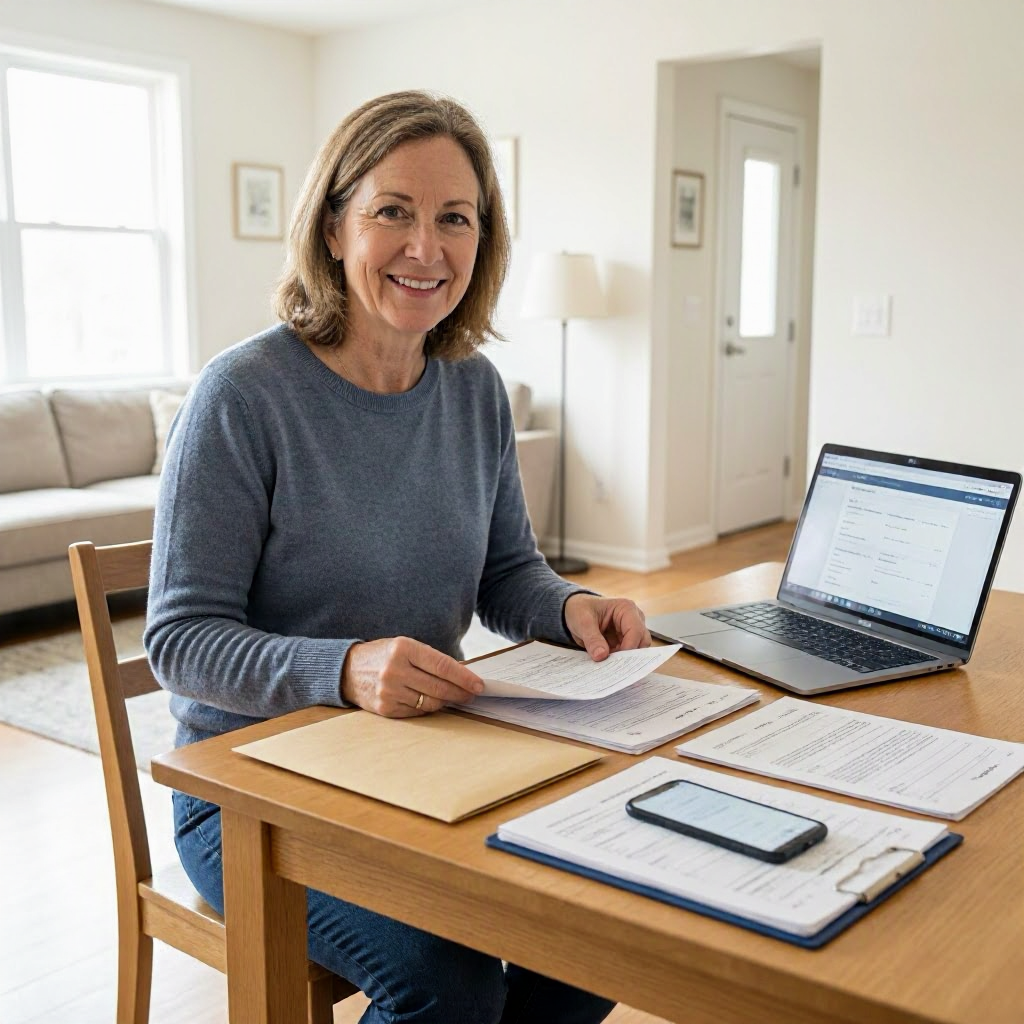
How to apply for Section 8 housing vouchers in 2026
---
What Are Section 8 Housing Vouchers?
Section 8 housing vouchers, officially known as the Housing Choice Voucher Program, help low-income families, seniors, and people with disabilities afford safe rental housing in the private market. Administered by the U.S. Department of Housing and Urban Development (HUD), the program provides rental assistance so that tenants pay only about 30% of their adjusted monthly income toward rent and utilities. The rest is covered by the voucher.
Landlords receive direct payments from the local Public Housing Agency (PHA), which manages the program in your area. Vouchers can be used for apartments, townhomes, single-family homes, or other qualifying units that meet HUD's health and safety standards. This program serves over 2 million households nationwide, but availability depends on local funding and demand.
Unlike public housing projects, Section 8 lets you choose where to live, as long as the unit passes inspection and the rent is reasonable for the area. For 2026 applications, note that processes remain consistent year to year, but waiting lists and funding can fluctuate.
Who May Qualify for Section 8 Vouchers?
Eligibility for Section 8 vouchers focuses on income, family status, citizenship or immigration status, and background checks. You may qualify if your household income is below 50% of the median income for your area, with priority often given to those at or below 30%. Household size matters, as limits adjust accordingly, and extremely low-income families get preference.
Other factors include U.S. citizenship or eligible immigration status for all household members. You must also pass criminal background checks, though some offenses may not disqualify you, depending on local PHA rules. Eviction history for drug-related or violent activity can affect approval.
Disabilities, age (elderly), or being homeless may give you priority on waiting lists in some areas. Students, veterans, and domestic violence survivors often receive special consideration. Always verify with your local PHA, as rules can vary by location and change annually.
Income Limits and Other Key Eligibility Factors
Income limits for Section 8 are set by HUD each year and vary by metropolitan area, county, and household size. For example, a family of four in a mid-sized city might need income under $40,000 to qualify as "very low-income," but exact figures depend on your location. PHAs publish current limits on their websites.
Assets count toward income if they generate substantial interest. Programs like Social Security, SSI, child support, or unemployment benefits factor into calculations. Deductions for medical expenses, childcare, or disability-related costs can lower your adjusted income.
You cannot qualify if you owe money to any PHA or have been terminated from the program recently. Full-time students may face extra rules unless they qualify under specific exemptions. Contact your PHA to review your situation, as they calculate eligibility based on verified documents.
How to Find Your Local Public Housing Agency (PHA)
Section 8 is run by over 2,000 local PHAs across the U.S., not a single national office. Start by visiting the official HUD website at hud.gov to use their PHA locator tool. Enter your city, state, or ZIP code to find the agency serving your area.
Some cities have multiple PHAs, so confirm which covers your address. If you're homeless or in a shelter, the PHA where you plan to live handles applications. Rural areas may fall under larger regional agencies.
Call or visit the PHA's office only after checking their website for online tools. Use 211.org or dial 211 for local housing help, including PHA contacts. Benefits.gov also lists housing programs.
Check if Applications Are Open in 2026
Most PHAs have closed waiting lists due to high demand, but they periodically open for new applicants, often via lotteries or first-come, first-served. In 2026, monitor announcements starting late 2025, as openings can happen anytime.
Visit your PHA's website or Facebook page for notices. Sign up for email alerts if available. Some PHAs mail postcards or advertise in newspapers. Online portals like affordablehousing.com track openings, but verify directly with the PHA.
If the list is closed, ask about preferences for veterans, elderly, or disabled applicants. Some areas have separate lists for these groups. Patience is key, as lists can be years long.
Step-by-Step Guide to Applying for Section 8 Vouchers
Gather Information Before Applying
Before starting, collect basic household details: names, dates of birth, Social Security numbers (or ITINs), incomes, and disabilities. Note your current address and rental history. Estimate your income against local limits using HUD's online charts.
Submit a Pre-Application
When open, most PHAs accept online pre-applications first. Go to the PHA portal, create an account, and fill out the form with household info. Save your confirmation number and screenshot the submission.
Paper forms are available at PHA offices or by mail, but online is faster. No fee to apply. If selected from the lottery or list, you'll get invited for a full application.
Complete the Full Application
This involves detailed info on income, assets, family, and background. Attend any required interview promptly. Bring all documents (see below). The PHA verifies everything with employers, banks, and doctors.
Undergo Verification and Screening
Expect income checks via pay stubs or tax returns, criminal background via FBI databases, and credit reviews. Landlord references may be contacted. This can take 30-90 days.
Documents You May Need for Section 8 Applications
PHAs require proof to verify eligibility. Gather these early, as missing items delay processing. Photocopy everything and keep originals.
| Document Type | Examples | Why Needed |
|---|---|---|
| Identity | Photo ID (driver's license, passport), birth certificates, Social Security cards | Confirm who lives in the household |
| Income | Recent pay stubs (2 months), tax returns (2 years), SSI/SSD award letters, unemployment stubs | Calculate total household income |
| Residency | Utility bills, lease agreements, mail with your address | Prove where you live or intend to live |
| Assets | Bank statements, investment records, vehicle titles | Assess countable assets |
| Family Status | Marriage certificates, divorce decrees, custody papers | Verify household composition |
| Disability | Doctor's notes, VA letters, SSI approvals | Support priority claims |
| Immigration | Green cards, work permits (if applicable) | Check eligible status |
Bring extras for all household members. Digital uploads speed things up. If you lack something, explain to your caseworker; they may help obtain it.
What Happens After You Submit Your Application
You'll receive a confirmation letter or email with your position or lottery number. Track status via the PHA portal or by calling. Respond to requests for more info within 10-15 days, or risk removal.
If selected, attend a briefing on program rules. Sign the voucher contract. You then have 60-120 days to find housing.
Understanding Waiting Lists and Selection Processes
Waiting lists can last 1-10 years, prioritized by income level, disabilities, or local preferences. Lotteries randomly select from applicants when lists open. Some PHAs use multiple lists (general, veterans, etc.).
Check status every 6 months or as instructed. Update contact info to avoid missing calls. If your situation changes (e.g., new baby), report it for possible priority.
Using Your Voucher: Finding Approved Housing
Once issued a voucher, search for landlords accepting Section 8. Use GoSection8.com or PHA lists, but contact owners directly. The rent must be at or below the PHA's Fair Market Rent (FMR) for your unit size.
Submit a Request for Tenancy Approval (RFTA) form. PHA inspects the unit. Sign a lease with the standard HUD addendum. Move-in happens after approval.
Portability: Moving with Your Voucher
After one year in the initial PHA's jurisdiction, you can "port" to another area. Notify your PHA 30-60 days before moving. The new PHA absorbs or bills your old one.
Interstate moves require good standing and approval. This helps families relocate for jobs or family.
Annual Renewals and Recertifications
Voucher holders recertify yearly. Report changes anytime: income up, household changes, new address. Submit forms and docs promptly.
Missing recertification can end assistance. Keep records of submissions. Your caseworker schedules interviews.
Reporting Changes and Avoiding Overpayments
Report income increases within 10 days, births/deaths immediately, or job losses promptly. Failure to report can lead to overpayments you repay.
PHAs adjust payments monthly. Save all notices.
If Your Application Is Denied: What to Do Next
Denials come by mail with reasons (e.g., income too high, background issue). You have 10-15 days to request an informal hearing. Gather evidence to challenge.
Common fixes: correct errors, provide missing docs. Legal aid via hud.gov or 211 can help. Appeals succeed if PHA made mistakes.
| Denial Reason | Possible Action |
|---|---|
| Income over limit | Verify deductions; reapply if situation changes |
| Criminal history | Provide rehab evidence; check local waivers |
| Missing documents | Submit ASAP with appeal request |
| Poor rental history | Get landlord references or explain circumstances |
Common Pitfalls and How to Avoid Them
Don't apply to multiple PHAs unless specified; it wastes time. Update your info regularly. Avoid signing leases without PHA approval.
Budget for your 30% share plus deposits. Understand pet rules vary by landlord.
Avoiding Scams in Section 8 Applications
Scammers pose as PHAs, charging fees for "fast approval" or vouchers. No legitimate PHA charges for applications or vouchers. Hang up on calls asking for bank info or gift cards.
Verify sites end in .gov or official PHA domains. Report fraud to HUD at 1-800-347-3735 (verify number on hud.gov first). Use only PHA portals.
Special Considerations for 2026 Applications
HUD may adjust FMRs and limits for inflation in 2026. Check hud.gov/topics/rental_assistance for updates. Post-COVID funding stabilized lists, but demand remains high.
Veterans use VA's HUD-VASH for priority. Domestic violence victims get protections under VAWA.
Resources for Extra Help
- HUD.gov: PHA locator, FMRs, rights.
- Benefits.gov: Search "Section 8".
- 211: Local navigators.
- Legal Aid Society in your state for appeals.
- Nonprofits like National Low Income Housing Coalition.
Preparing Your Records and Staying Organized
Create a folder for all Section 8 docs: applications, notices, emails. Screenshot portals weekly. Note caseworker names and dates.
This keeps you ready for renewals or issues.
Questions to Ask Your PHA Caseworker
- When does the waiting list open next?
- What are current income limits for my family size?
- How do I update my application?
- What preferences apply to me?
Write down answers.
Final Steps Before Applying in 2026
Review your finances and gather docs now. Bookmark your PHA site. Verify everything officially to avoid surprises. Section 8 can transform housing stability, but preparation is key.
(Word count: 2857) ---

About the TDL Expert Panel
TDL Expert Panel · TheDigitalLife Editorial Team
TDL Expert Panel is the editorial team behind TheDigitalLife. The team researches, reviews, and creates practical guides to help everyday readers make better decisions about home repair costs, refunds, AI tools, digital safety, productivity, and useful online resources. Each guide is written to be clear, useful, and easy to understand.