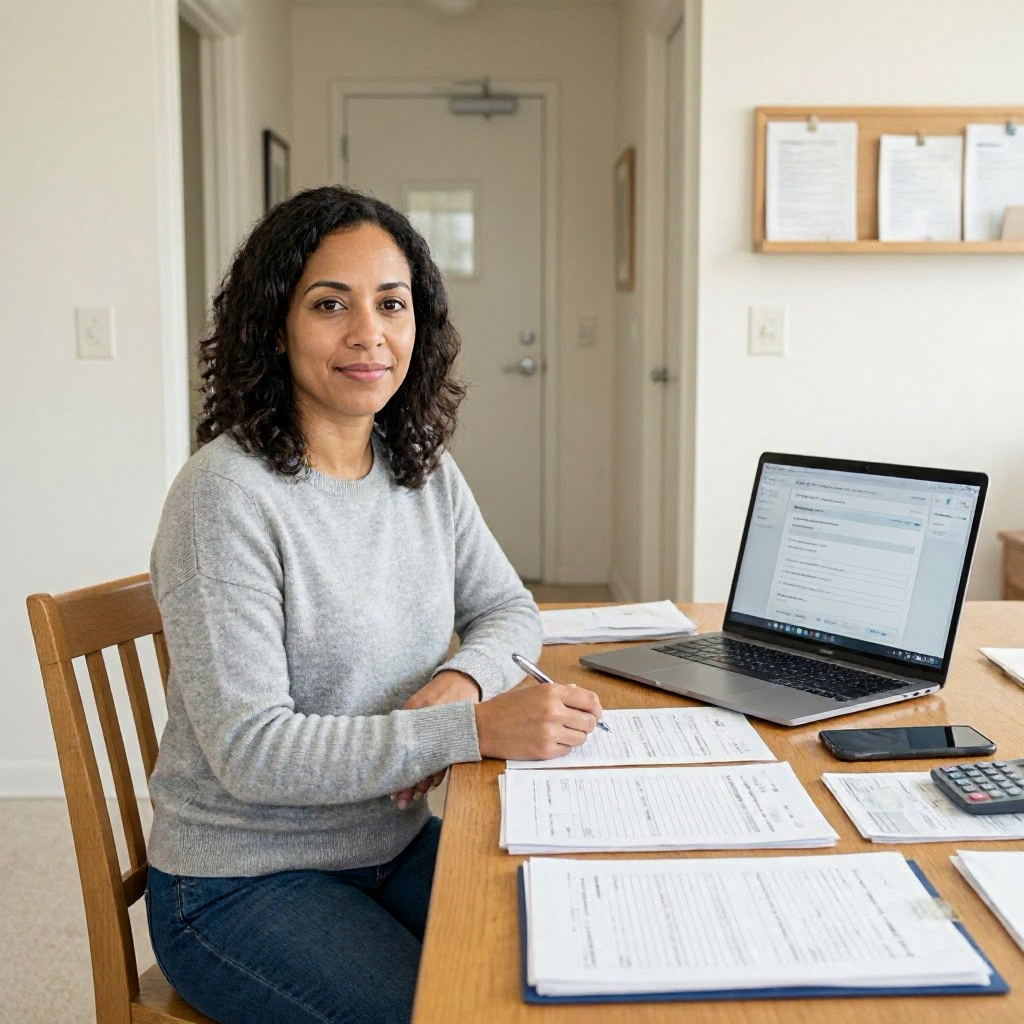
How to apply for HUD rental assistance in 2026
Understanding HUD Rental Assistance
HUD rental assistance helps low-income households in the United States afford safe, decent housing. The U.S. Department of Housing and Urban Development (HUD) funds these programs through local Public Housing Agencies (PHAs). Common options include the Housing Choice Voucher Program (often called Section 8), public housing, and project-based rental assistance.
These programs subsidize rent so tenants pay about 30% of their adjusted household income toward housing costs. The rest comes from HUD funds. Assistance targets families, seniors, disabled individuals, and others facing housing instability. Demand often exceeds supply, leading to waiting lists that can last months or years.
For 2026 applications, processes follow federal guidelines but may include updates to income rules or funding. Always verify details on official sites, as rules change yearly.
Main Types of HUD Rental Assistance Programs
HUD offers several rental programs. Each has unique features, but all aim to reduce housing costs for eligible renters.
Housing Choice Voucher Program (Section 8)
This is the most flexible option. Vouchers let you choose any private rental unit that meets HUD standards. Your PHA pays the landlord directly for the subsidy portion. You find the unit and negotiate rent, subject to PHA approval.
Portability allows moving vouchers between PHAs in some cases, useful for job changes or family needs.
Public Housing
PHAs own and manage these properties. Rent is income-based, and you live in PHA apartments or homes. Units are in developments for families, seniors, or disabled residents.
Project-Based Rental Assistance
Subsidies attach to specific buildings. You apply through the property owner or PHA. If approved, you stay in that complex but may have tenant rights to move under certain conditions.
Other programs like Section 811 or 202 for non-elderly disabled and supportive housing exist for specific needs. Check HUD's site to match your situation.
Eligibility Basics for HUD Rental Assistance
Eligibility depends on federal rules, local PHA preferences, and funding. No one is guaranteed approval, but many households qualify if they meet basics.
Income Requirements
Household income typically must be below 50% of the area median income (AMI), with priority for very low-income (under 30% AMI). Limits adjust yearly by location, family size, and year. For example, a family of four in a mid-sized city might face different thresholds than in rural areas.
PHAs set preferences like for homeless families or domestic violence survivors. Immigration status matters: U.S. citizens and certain eligible non-citizens may qualify.
Household Factors
Programs often prioritize large families, seniors (62+), disabled members, or veterans. You cannot have recent drug-related evictions or certain criminal histories in most cases. Full-time students may face extra rules.
State and local rules vary. A PHA in California might differ from one in Texas due to cost of living.
How to Check If You May Qualify
Use HUD's online tools or contact your PHA. Search for your area's income limits on HUD's site. Provide accurate household details early to avoid delays.
Finding Your Local Public Housing Agency (PHA)
Applications go through local PHAs, not HUD directly. Start here:
- Visit HUD's PHA Locator at hud.gov to find agencies by ZIP code.
- Note multiple PHAs may serve one area; compare waiting lists.
- Call or visit during business hours. Ask about open programs and preferences.
For 2026, some PHAs open waiting lists periodically. Sign up for alerts on their sites.
Documents Needed to Apply
Gather proof before applying. PHAs verify everything, so incomplete submissions delay processing.
Common documents include:
| Document Type | Purpose | Examples |
|---|---|---|
| Identity Proof | Confirm who lives in household | Photo ID (driver's license, passport), birth certificates, Social Security cards |
| Income Proof | Calculate adjusted income | Recent pay stubs (30 days), tax returns (last 2 years), unemployment stubs, SSI/SSDI letters |
| Residency Proof | Show current housing need | Lease agreement, eviction notice, utility bill, shelter letter |
| Household Info | List all members | Names, ages, relationships, disability/medical docs if claiming priority |
| Immigration Status | For eligible non-citizens | Permanent resident card, work authorization |
Keep originals and copies. Scan for online uploads. If missing something, ask the PHA for alternatives or extensions.
Step-by-Step Guide to Applying in 2026
Follow these practical steps. Processes are mostly online or mail now, but confirm with your PHA.
Step 1: Research and Pre-Apply
- Identify programs and PHAs.
- Complete pre-applications online when lists open. Note the date and time.
- Save confirmation numbers and screenshots.
Step 2: Submit Full Application
Waiting list spots trigger full applications. Provide: - Detailed household and income info. - All documents. - Sign under penalty of perjury.
Online portals are common; create an account. Mail if required, using certified mail.
Step 3: Attend Briefing (If Selected)
PHAs hold mandatory sessions explaining rules. Bring ID and questions.
Step 4: Complete Certification
Submit updated docs. PHA inspects income and may verify with employers or SSA.
For 2026, expect digital signatures and portals like HUD's AFFH system for some steps.
Checking Application Status and Timelines
Track progress via PHA portal or phone. Expect:
- Waiting list placement: Weeks to months.
- Full processing: 30-120 days after selection.
- Delays from missing docs or high demand.
Call with your confirmation number. Log every contact: date, name, notes.
If delayed over 60 days without notice, follow up politely. Keep records for appeals.
Moving In After Approval
Once certified: 1. PHA issues voucher (60-120 days valid). 2. Search for units; PHA approves rent reasonableness. 3. Pass inspection. 4. Sign lease; PHA pays landlord.
Portability requests go to new PHA if moving.
Renewals and Recertifications
Assistance is not permanent. Expect:
- Annual recertification: Update income, household changes.
- Interim reports for job loss, births, etc.
Miss deadlines, and payments stop. Respond to mailed notices within 10-14 days. Use portals for uploads.
Report changes promptly:
- Income up/down by $200+/month.
- New household members.
- Address changes.
Handling Denials, Reductions, or Terminations
Read every notice carefully. It explains reasons and appeal deadlines (often 10-15 days).
Common Reasons for Denial
- Income too high.
- Insufficient docs.
- Criminal/credit history.
- Unit fails inspection.
Appeal Process
- Request informal review or hearing in writing.
- Gather supporting evidence.
- Attend hearing; present calmly.
- Get decision in writing.
Contact legal aid for complex cases. Success depends on facts.
| Issue | First Action | If No Response |
|---|---|---|
| Application Denied | Read notice, appeal by deadline | Contact PHA supervisor |
| Benefits Reduced | Report changes, request review | File formal appeal |
| Overpayment Claim | Don't ignore; negotiate repayment plan | Appeal if disputed |
| Termination Notice | Submit missing info immediately | Request hearing |
Delays and What to Do
High demand causes waits. If selected but stalled:
- Respond to all requests within days.
- Ask for status updates weekly.
- Document everything.
Complain to PHA director if unresponsive. Escalate to HUD field office rarely.
Avoiding Scams Targeting Rental Assistance Seekers
Scammers exploit housing needs. Watch for:
- Sites charging fees for "fast approval."
- Calls demanding SSN or bank info upfront.
- Fake vouchers or "guaranteed" lists.
Only use HUD.gov, Benefits.gov, or PHA sites. No legit program charges applicants. Report to FTC at ReportFraud.ftc.gov.
Special Considerations for 2026
Funding and rules may shift with federal budgets. Disaster areas or post-pandemic priorities could open lists. Veterans get preferences via HUD-VASH.
Immigration: Eligible non-citizens prorate aid; mixed households may qualify partially.
Where to Verify Official Information
- HUD.gov/topics/rental_assistance: Program overviews.
- Benefits.gov: Search tools.
- Local PHA sites: Applications, lists.
- Dial 211 for navigators.
- Legal aid via LSC.gov.
Call HUD at verified numbers from their site only.
Practical Checklists for Success
Application Preparation Checklist
- [ ] Find PHA and check open lists.
- [ ] Gather 30 days' income docs.
- [ ] List all household members.
- [ ] Note confirmation numbers.
Renewal Checklist
- [ ] Read notice for deadline.
- [ ] Update income/household.
- [ ] Upload proofs.
- [ ] Save submission proof.
Denial Review Checklist
- [ ] Note reason and deadline.
- [ ] Collect counter-evidence.
- [ ] File appeal on time.
- [ ] Prep questions for hearing.
Real Household Examples
Consider Maria, a single mom in Florida with two kids. Her income is 40% AMI; she applies via Miami-Dade PHA, waits 18 months, then uses voucher for a 2-bedroom.
Or retiree John in Ohio: Section 811 helps with his disability, covering assisted living rent.
Your situation varies; PHA counselors guide personally.
Changes to Report and Risks of Not Reporting
Beyond renewals:
- Marriage/divorce.
- Child leaving home.
- Incarceration.
Underreporting leads to overpayments, repayment demands. Overreporting risks losing aid prematurely.
Working with Landlords
Many landlords avoid vouchers due to inspections. PHA's Landlord Liaison helps match. Offer stable tenancy proof.
Combining with Other Aid
Stack with SNAP, LIHEAP, or TANF if eligible. PHA verifies.
Getting Help from Navigators
Nonprofits like local housing councils assist free. Search HUD's partner list.
Final Preparation Tips
Print guides from HUD. Practice portal logins. Budget for 30% rent share.
Stay persistent; millions use these programs yearly. Verify 2026 updates starting late 2025.

About the TDL Expert Panel
TDL Expert Panel · TheDigitalLife Editorial Team
TDL Expert Panel is the editorial team behind TheDigitalLife. The team researches, reviews, and creates practical guides to help everyday readers make better decisions about home repair costs, refunds, AI tools, digital safety, productivity, and useful online resources. Each guide is written to be clear, useful, and easy to understand.