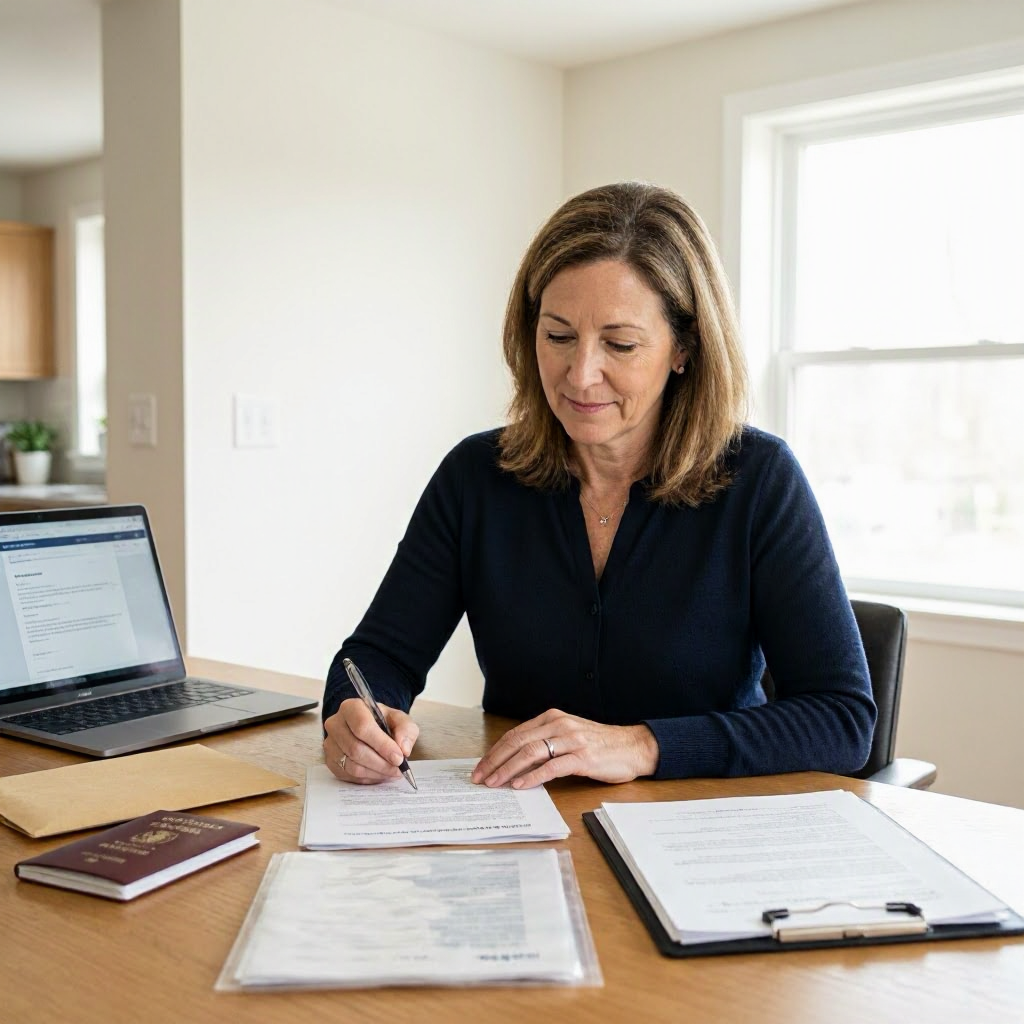
How to apply for advance parole travel document in the United States
What Is an Advance Parole Travel Document?
An advance parole document is a travel authorization issued by U.S. Citizenship and Immigration Services (USCIS). It allows certain noncitizens in the United States to leave the country and return without abandoning a pending immigration application, such as adjustment of status to lawful permanent resident.
This document is crucial for people who need to travel abroad for emergencies, family matters, or other reasons while their case is pending. Without it, leaving the U.S. could result in the denial of your application or difficulties reentering. Always check USCIS.gov for the latest details, as immigration rules can change.
Advance parole does not guarantee reentry. U.S. Customs and Border Protection (CBP) officers make the final decision at the port of entry. This is general information, not legal advice.
Who Might Need an Advance Parole Document?
Certain individuals with pending USCIS applications may need advance parole to travel safely. Common situations include:
- Applicants for adjustment of status using Form I-485 who are not yet lawful permanent residents.
- Those with Temporary Protected Status (TPS) or Deferred Action for Childhood Arrivals (DACA), if travel is necessary.
- Asylum applicants or others in humanitarian parole statuses.
Eligibility depends on your specific immigration history, current status, and reasons for travel. Traveling without proper authorization can lead to serious issues, like application abandonment. Review your situation on USCIS.gov or consult a qualified immigration attorney.
Not everyone qualifies. For example, people in removal proceedings or with certain criminal histories may face restrictions. Check official USCIS guidance before planning any trip.
Key Eligibility Factors to Review First
Before applying, verify your basics:
- Do you have a pending USCIS application that would be abandoned by departure?
- Are you in a valid nonimmigrant status, TPS, asylum pending, or similar?
- Is your travel urgent or humanitarian, or routine?
USCIS considers the purpose of travel when reviewing applications. Emergency travel, such as for a family medical issue or funeral, often strengthens a case, but routine vacations may not. Your immigration history, prior overstays, or entries matter too.
Gather your Form I-94 Arrival/Departure Record, passport, and any USCIS notices. Use the I-94 website on CBP.gov to print your most recent record. Immigration rules can change, so confirm eligibility on USCIS.gov.
Step-by-Step Guide to Applying for Advance Parole
Applying involves preparing Form I-131, Application for Travel Document. Follow these general steps, but always read the current form instructions on USCIS.gov.
Step 1: Confirm You Need Advance Parole
Review your pending application receipt notice. If you have a valid visa and plan to reenter using it, advance parole may not be necessary. Consult USCIS.gov or a qualified professional to avoid unnecessary filings.
Step 2: Download and Complete Form I-131
Get the latest edition from USCIS.gov/forms. Fill it out completely using black ink if paper filing, or online if eligible.
- Provide your A-Number, personal details, and immigration history.
- Explain your travel purpose, dates, and countries.
- Indicate if requesting it with another form, like I-485.
Double-check for accuracy; errors can delay processing. Make a copy of the completed form.
Step 3: Gather Required Supporting Documents
USCIS requires evidence to support your application. Common items include:
| Document | Why It Matters |
|---|---|
| Copy of passport biographical page | Proves identity and nationality. |
| Copy of Form I-94 | Shows current authorized stay. |
| Copy of USCIS receipt notice for pending application (e.g., I-485) | Links to your main case. |
| Two passport-style photos | Meets USCIS photo requirements (check specs on USCIS.gov). |
| Explanation letter for travel purpose | Details urgency, like medical emergency or family event; include supporting proof (e.g., doctor's letter, death certificate). |
| Birth certificate or marriage certificate (if name change) | Verifies identity. |
Translations must include a certification from the translator. Organize originals and copies in a folder. Check USCIS.gov for the full list, as requirements vary by category.
Step 4: Determine Filing Fees and Payment
Fees can change; verify the current amount on USCIS.gov/forms. Some categories, like those filing with I-485, may qualify for fee exemptions or waivers.
- Pay by check, money order, or credit card (if online).
- Keep proof of payment, like receipts.
Do not send cash. If requesting a fee waiver, include Form I-912 with evidence of financial need.
Step 5: Choose Filing Method
- Online: Create a USCIS online account at my.uscis.gov if eligible (faster for some).
- Mail: Use the correct USCIS lockbox address from form instructions (varies by state and category).
Sign and date the form. Include all documents in one package. Use trackable mail like USPS Priority with confirmation.
Step 6: Submit and Keep Records
Mail or upload securely. Save mailing receipts, tracking numbers, and screenshots. Organize everything in a dedicated immigration folder.
What Happens After You Submit?
USCIS will send a receipt notice (Form I-797C) within weeks, confirming filing. This includes your receipt number (starting with letters like MSC, LIN).
- Biometrics appointment: Schedule or attend if required; bring ID and notice.
- Request for Evidence (RFE): Respond by the deadline with requested items.
- Decision: Approval by mail (combo card if with work permit) or denial notice.
Processing times vary; check USCIS processing times tool by form and service center. Times can range from months to over a year.
How to Check Your Advance Parole Case Status
Use your receipt number to track online:
- Go to USCIS.gov case status tool.
- Enter the 13-digit receipt number exactly.
- Create or log into your USCIS account for updates.
Check regularly, but avoid calling USCIS unless past estimated times. Keep your account secure; do not share login info. Screenshots of status changes are helpful records.
If delayed, note the service center and form type for reference.
Receiving and Using Your Advance Parole Document
Approved documents arrive by mail as a standalone booklet or combo card (with work authorization). Inspect for errors like name or photo mismatches; contact USCIS immediately if issues.
To travel:
- Carry the original document, passport, I-94, and boarding pass.
- Present to airline and CBP upon reentry.
- Advance parole is typically valid for one year or multiple trips; check expiration.
Reentry is not guaranteed. CBP may question intent or history. Avoid long trips that could suggest abandonment.
Renewing or Reapplying for Advance Parole
If your document expires or you need another, file a new Form I-131 before it ends. Timing depends on travel plans; apply early due to processing.
- Same process as initial application.
- Include copy of prior approval.
Plan ahead; gaps in travel authorization can complicate reentry.
Common Mistakes to Avoid When Applying
- Filing without confirming eligibility, leading to denials.
- Incomplete forms or missing photos/evidence.
- Using wrong filing address or outdated forms.
- Traveling before approval.
- Ignoring deadlines on RFEs or biometrics.
Read every USCIS notice carefully. Keep copies of all submissions.
Travel Risks and Considerations
Even with advance parole, risks exist:
- Prior immigration violations or criminal issues may trigger scrutiny.
- Pending cases can be denied during travel.
- Humanitarian reasons strengthen cases, but vacations weaken them.
Review CBP.gov for entry rules. Consult a qualified immigration attorney before booking flights, especially with complex history.
Protecting Your Information and Avoiding Scams
Immigration scams target applicants. Watch for:
- Promises of "guaranteed approval" or expedites.
- Requests for payment via wire, gift cards, or crypto.
- Fake USCIS emails or calls demanding info.
- "Notarios" giving legal advice without bar admission.
Never share A-Number, receipt numbers, or passport details with unknowns. Verify contacts on USCIS.gov. Use only official sites.
Report scams to USCIS tip form or FTC.gov.
When to Contact Qualified Immigration Help
Consider an attorney or accredited representative if:
- Complex history (overstays, prior denials, crimes).
- Urgent travel or RFE/denial.
- Unsure about eligibility or evidence.
Find help via:
- USCIS-recognized organizations on USCIS.gov.
- American Bar Association for attorneys.
- DOJ list of accredited reps.
Ask about fees, experience with advance parole, and copies of all filings. This article is general education, not a substitute for professional review.
Organizing and Keeping Immigration Records
Maintain a secure system:
- Digital folder: Scanned copies of forms, notices, IDs, receipts.
- Physical binder: Originals and mail proofs.
- Checklist:
- Passports and visas.
- All I-94 records.
- USCIS receipts, approvals, RFEs.
- Travel itineraries and stamps.
- Attorney agreements.
Backup securely; update after events. Records prove your history for future applications.
Additional Tips for Success
- Apply well before travel needs.
- Monitor mail and USCIS account daily.
- Translate non-English documents properly.
- If denied, review reasons; refile if eligible or seek appeal guidance.
Eligibility depends on personal facts. Check USCIS.gov/advance-parole for updates.
Document Checklist for Advance Parole Applications
Use this as a starting point; verify on USCIS.gov.
| Category | Items to Prepare |
|---|---|
| Identity | Passport copy, birth certificate, photos. |
| Status Proof | I-94, prior USCIS notices, green card (if any). |
| Travel Reason | Letter, supporting evidence (invites, medical docs). |
| Filing Proof | Fee receipt, mailing confirmation. |
Customize to your case.
Advance parole helps maintain pending applications during travel, but careful preparation is key. Stay informed via official sources, keep organized, and seek qualified help when needed. Immigration processes evolve, so verify everything officially.

About the TDL Expert Panel
TDL Expert Panel · TheDigitalLife Editorial Team
TDL Expert Panel is the editorial team behind TheDigitalLife. The team researches, reviews, and creates practical guides to help everyday readers make better decisions about home repair costs, refunds, AI tools, digital safety, productivity, and useful online resources. Each guide is written to be clear, useful, and easy to understand.