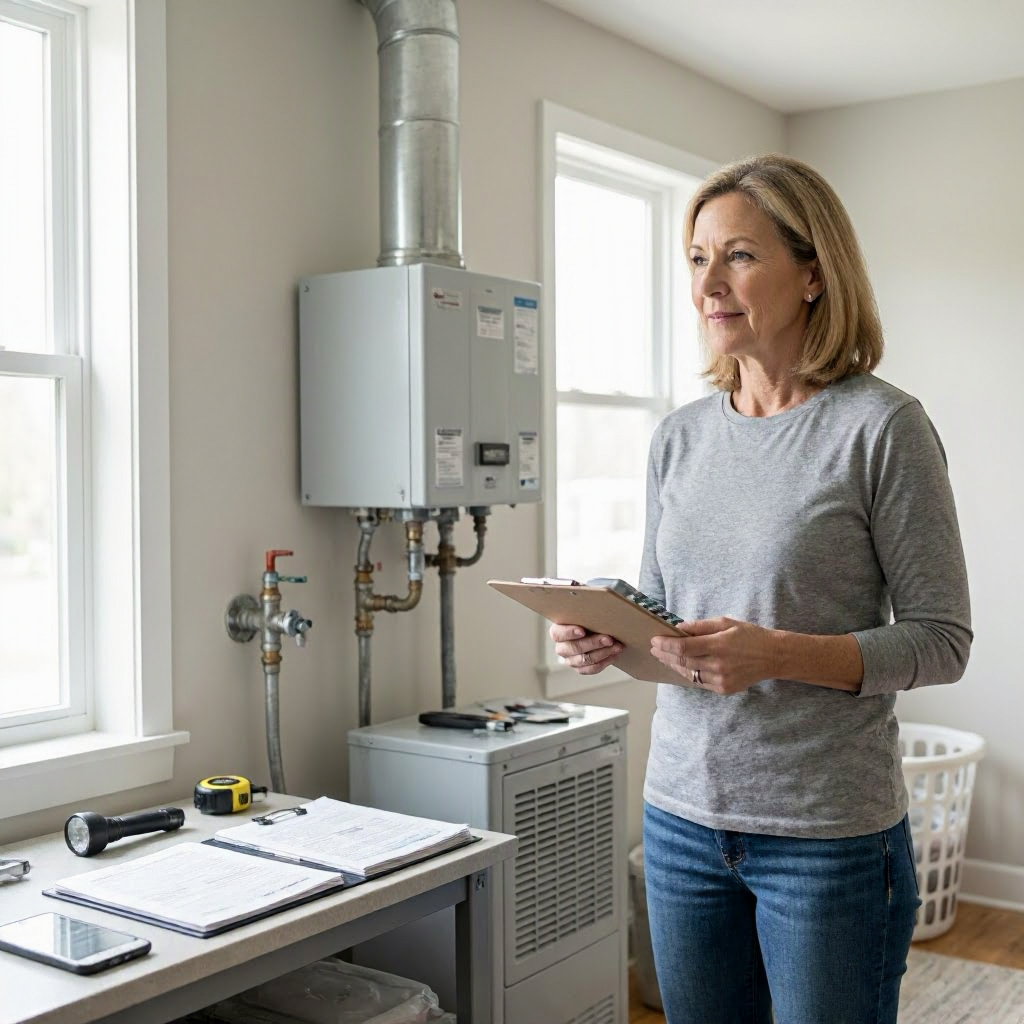
Gas Bill cost calculator: what Americans should budget
Understanding Gas Bills in American Households
Natural gas powers heating, hot water, cooking, and sometimes dryers in millions of US homes. Your gas bill comes from your local utility company and varies widely based on where you live, home size, and usage habits. Budgeting for it helps avoid surprises, especially during winter peaks when heating drives up costs.
Many Americans spend $50 to $150 monthly on gas, but this can double or triple in cold months. Fixed-income households, families with seniors, or renters in older buildings often feel the pinch most. Knowing your baseline lets you plan payments, seek assistance if needed, and cut waste without freezing or going without hot water.
Start by pulling your last three bills. Note the usage in therms or CCF, rates charged, and total amount. This gives a real picture before guessing averages.
Average Gas Bill Costs for US Households
National averages provide a starting point, but your bill depends on location and season. According to the US Energy Information Administration (EIA), the typical residential natural gas bill was around $70 per month in recent non-heating seasons. Winter averages climb to $100 or more due to heating demand.
Costs vary by state. In warmer states like Florida or Texas, year-round bills might stay under $40 monthly for cooking and water heating. Colder states like New York or Michigan see peaks over $200 in January. Regional differences stem from local rates, climate, and pipeline access.
Here's a general overview of average monthly residential natural gas expenditures by US Census region, based on EIA data patterns:
| Region | Mild Months Average | Peak Winter Average |
|---|---|---|
| Northeast | $60 | $180 |
| Midwest | $55 | $150 |
| South | $35 | $70 |
| West | $45 | $90 |
These are broad estimates; check your state's data at www.eia.gov for current figures. Homeowners with gas furnaces pay more than apartment renters using electric stoves.
Key Factors Influencing Your Gas Bill
Several elements drive your bill higher or lower. Weather is the biggest: a harsh winter means more heating therms. Home efficiency matters too, old insulation or drafty windows leak heat.
Utility rates change. In regulated states like California, public commissions set prices. Deregulated markets like Pennsylvania let you shop providers. Fixed charges cover meter reading and maintenance, often $10 to $30 monthly regardless of use.
Usage habits count: long showers, frequent baking, or pilot lights add up. Appliance age plays a role; efficient furnaces use 20-30% less gas.
Other factors include household size, home square footage, and local taxes or surcharges. Gig workers or remote families might run dryers more, bumping costs.
How to Read Your Gas Bill Line by Line
Bills look complex, but breaking them down reveals savings opportunities. Look for these sections:
- Usage measurement: Listed in therms (one therm equals about 100,000 BTU) or CCF (hundred cubic feet). Compare to prior months.
- Rate per unit: Variable charge, like $0.50-$1.50 per therm. Delivery fees separate supply costs in some states.
- Fixed charges: Base fees for service.
- Taxes and surcharges: State taxes, environmental fees, or pipeline costs.
- Adjustments: Weather normalization or budget billing even-outs.
Review checklist:
- Match meter readings to your records.
- Spot rate hikes or new fees.
- Note due date and late penalties.
- Check for low-income discounts or budget plans.
Save bills digitally or in a folder. Contact your utility if numbers seem off; errors happen.
Building Your Own Gas Bill Cost Calculator
No need for fancy apps, create a simple calculator using your bill details. This estimates monthly costs and helps budget.
Step-by-Step Gas Bill Calculator
- Find your usage baseline: Average your last 12 months' therms. Divide annual total by 12 for monthly average. Example: 900 therms yearly = 75 monthly.
- Get your rate: From bill, note per-therm cost (supply + delivery). Add fixed fees.
- Adjust for season: Multiply summer baseline by 1.5-2 for fall, 2-3 for winter based on your climate.
- Formula:
- Estimated bill = (average therms x rate per therm) + fixed charges + taxes/surcharges
Quick example (use your numbers): 80 therms x $1.00/therm = $80 + $20 fixed = $100 + $10 taxes = $110 total
- Factor in changes: Subtract 10-20% for efficiency upgrades like a programmable thermostat.
Track in a spreadsheet: columns for month, actual therms, bill amount, variance. Update after each bill.
Seasonal Adjustment Table
| Season | Usage Multiplier (from baseline) | Example for 75-therm home |
|---|---|---|
| Summer | 0.5-0.8 | $30-$50 |
| Fall/Spring | 1.0 | $60-$80 |
| Winter | 2.0-3.0+ | $120-$200+ |
Verify rates on your utility's site. Tools like the Energy.gov savings calculator refine estimates.
What Americans Should Budget Monthly for Gas
Aim for gas to be 2-5% of take-home pay, or $50-$150 for most households earning $50,000-$100,000 yearly. Singles or empty-nesters budget lower; families with kids or large homes need more.
Household examples:
- Small apartment, mild climate: $30-$60. Covers cooking, water.
- 3-bedroom house, Midwest: $80 summer, $160 winter.
- Senior on fixed income: $40-$100; check assistance first.
- Family of four, Northeast: $100 average, $250 peak.
Build a 12-month budget:
- Total last year's bills, divide by 12 for even monthly amount.
- Use utility budget billing if offered, it averages peaks and valleys.
- Set aside 10% buffer for rate hikes.
For irregular income like gig work, pay estimated amount weekly. Link to bank auto-pay for discounts, often 1-2%.
Practical Ways to Lower Your Gas Bill
Small changes yield real savings without discomfort. Focus on safe, proven steps.
Heating Efficiency Tips
- Set thermostat to 68°F daytime, 60°F night/asleep. Each degree lower saves 1-3%.
- Use ceiling fans clockwise in winter to push warm air down.
- Seal drafts around windows/doors with weatherstripping ($10 at home stores).
- Insulate attic and hot water pipes; DIY kits cost $20-$50.
Appliance and Habit Adjustments
- Install low-flow showerheads; saves hot water gas.
- Switch to LED bulbs if gas lights exist (rare now).
- Maintain furnace annually; dirty filters raise bills 5-15%.
- Cook with lids on, match pot size to burner.
Quick wins checklist:
- Close fireplace damper when not in use.
- Wash clothes in cold water.
- Unplug pilot lights on unused appliances.
- Run full loads only.
In deregulated states, compare suppliers at your public utility commission site. Switching saved some households 10-20%.
Utility Programs and Assistance for Gas Bills
Many utilities offer help. Budget billing evens payments. Prepay plans suit variable incomes.
Low-income aid via LIHEAP (Low Income Home Energy Assistance Program) covers up to $1,000 yearly for heating. Apply at www.acf.hhs.gov/ocs or call 211. Eligibility: income under 150% federal poverty level.
State programs vary; Texas has comprehensive energy fund, California offers CARE discounts. Check benefits.gov.
Rebates for efficiency: Energy Star appliances qualify for $50-$300 via energy.gov/energysaver. Weatherization Assistance seals homes free for qualifiers.
Avoiding Common Gas Bill Pitfalls and Scams
Watch for rate surprise hikes; review annual summaries. Ignore door-to-door "gas savers" pushing unnecessary rentals.
Scam red flags:
- Calls claiming "immediate shutoff" demanding gift cards.
- Fake low-income program sites asking bank info.
- "Guaranteed 50% savings" door sales.
Verify via official utility app/site. Report to consumer.ftc.gov.
Tracking Savings and Adjusting Your Budget
After changes, monitor next bills. Calculate savings: (old bill - new bill) x 12 for yearly impact.
Monthly review steps: 1. Compare actual vs. estimated from your calculator. 2. Note usage drops. 3. Adjust thermostat if savings lag. 4. Reapply for assistance yearly.
Use free tools: bank bill trackers or apps like Mint for alerts. For seniors/caregivers, set calendar reminders.
Sample savings tracker:
- Jan: Estimated Bill $150, Actual Bill $140, Savings $10, Notes: Thermostat change
- Feb: Estimated Bill $160, Actual Bill $145, Savings $15, Notes: Insulation added
Over time, consistent tracking builds a realistic budget. Revisit calculator quarterly as rates shift.
Long-Term Budgeting for Rising Gas Costs
With potential rate increases from supply issues, plan ahead. Save 5-10% of current bill in a high-yield account.
Consider switching to electric if feasible, but weigh total costs. Home efficiency audits via utilities cost little and pinpoint leaks.
For renters, talk to landlords about upgrades; some states mandate efficiency.
Final budgeting framework:
- Short-term (next bill): Implement 2-3 tips, recalculate.
- Medium (3-6 months): Apply for aid, shop rates.
- Long-term: Invest in insulation/furnace, track yearly.
This approach keeps gas under control, freeing cash for other needs. Always verify details on your bill or utility site for accuracy.

About the TDL Expert Panel
TDL Expert Panel · TheDigitalLife Editorial Team
TDL Expert Panel is the editorial team behind TheDigitalLife. The team researches, reviews, and creates practical guides to help everyday readers make better decisions about home repair costs, refunds, AI tools, digital safety, productivity, and useful online resources. Each guide is written to be clear, useful, and easy to understand.