
Future-Proofing Your Career: Strategic Navigation for the 2026 Labor Market
The world of work is changing quickly. It can feel overwhelming to hear about AI taking jobs or the need for new skills. This article is for anyone who wants a practical guide, not expert jargon.
Our goal is to break down the major shifts heading our way by 2026. We'll look at the new types of jobs emerging, the skills that will be in demand, and the practical steps you can take today. Whether you're worried about staying relevant or just curious about the future, this guide provides a clear map.
Think of it as preparing for a journey where the destination is a resilient and adaptable career. You don't need to be a tech genius to get started, just willing to learn.
Future-proofing your career by 2026 means shifting from a linear job path to a flexible, skill-based approach. It’s about partnering with AI, mastering remote collaboration, and continuously learning in-demand skills. Success depends less on a single diploma and more on your ability to adapt and learn new things quickly.
The Shift to a New Career Model - Partnering with Artifici
- The Shift to a New Career Model
- Partnering with Artificial Intelligence
- Mastering Asynchronous and Remote Work
- Growth Sectors to Watch
- Building a Personal Brand
- Continuous Learning and Skill Acquisition
- Frequently Asked Questions
| Item | Detail |
|---|---|
| Best First Contact | Your own professional network and online learning platforms. |
| Main Safety Warning | Burnout is a significant risk in a 24/7 digital world; practice digital boundary setting. |
| When to Call a Pro | When pivoting to a new technical field (e.g., data science), consider industry-specific bootcamps or courses for structured learning. |
Who should I network with
- Who should I network with? Build a 'community of practice' in niche online forums or professional platforms.
- What will learning cost? Many micro-credentials and courses are available through online platforms; costs vary by program.
- What proof is needed for skills? Employers prioritize recent certifications and a portfolio of work over older degrees.
- What are the warning signs? If your job consists entirely of following a repetitive checklist, it is at higher risk of automation.
- When should I avoid DIY skill-building? When entering a highly regulated field (e.g., healthcare tech), formal education or accredited certifications may be necessary.
| Main Customer Question | Best First Contact | Estimated Cost Range | Important URLs |
|---|---|---|---|
| How do I learn new AI skills? | Online learning platforms (Coursera, Udacity). | Varies by course/platform. | Platform websites (e.g., Coursera). |
| How do I build a professional brand? | Professional networks (LinkedIn, industry forums). | Often free to start. | LinkedIn.com, industry-specific sites. |
| Where can I find info on green careers? | Industry publications and ESG compliance resources. | Information is typically free. | Green Career Opportunities. |
The primary "cost" of future-proofing is an investment of your time and energy. The source material emphasizes that continuous learning should be baked into your weekly routine. Dedicating even three hours a week to exploring new tools is a key strategy.
Financial costs come into play when pursuing formal micro-credentials or bootcamps. The source mentions platforms like Coursera and Udacity as avenues for targeted courses. Prices for these programs vary widely based on the subject, depth, and credential offered. Some are free to audit, while certification tracks or specialized nanodegrees have associated fees.
The return on this investment is a more adaptable and valuable skill set. In the value-oriented labor market, you are paid for judgment and creative output, which these skills support.
In this context, "DIY" means self-directed learning and career management. "Pro Service" refers to more formal, structured education or career coaching.
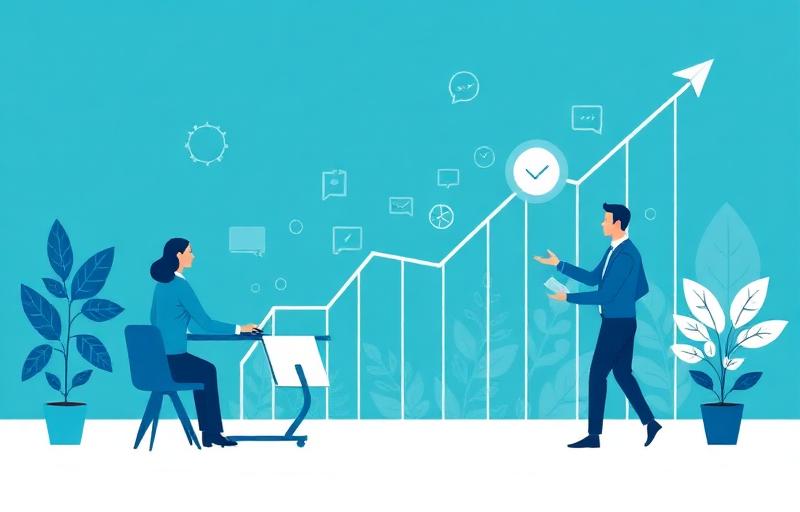
DIY (Self-Directed) May Be Safe If:
- You are building on existing knowledge in your field.
- You are disciplined enough to dedicate weekly time to learning.
- You are using free or low-cost resources to explore a new interest before committing.
Tools/Skills Needed for DIY: Self-motivation, basic online research skills, and the ability to curate information from professional networks and platforms.
Call a Licensed Professional (or Pursue Formal Training) If:
- You need to pivot into a field with strict accreditation requirements (e.g., certain healthcare technology roles).
- You learn best with structured curricula, deadlines, and instructor support.
- The career move requires verifiable certifications that are best obtained through recognized programs.
Warranty Risks: In a DIY approach, there is no formal guarantee of job placement. The "warranty" is the quality and relevance of the skills you build and how you market them.
Safety Risks: The main risk of a purely DIY approach is investing time in skills that aren't marketable. The risk of formal programs is the financial cost without a clear career outcome. Research is essential for both paths.
Call a Pro If: You are making a major career pivot into a technical field and need structured, accredited training to be taken seriously.
Your first point of contact should be your own professional network and online communities. The source stresses that networking in 2026 is about building a 'community of practice.' Engage with peers in niche forums, digital summits, or professional platforms like LinkedIn.
This network is your live source of information on industry trends, job opportunities, and recommended learning resources. Before paying for any course or program, seek advice and reviews from people in your target field.
The source does not provide specific brand phone numbers or agency contacts for career development. It references general platforms and concepts:
- Online Learning Platforms: Coursera, Udacity.
- Internal Resource Links: Developing a Growth Mindset, Green Career Opportunities.
- Collaboration Tools: Notion, Monday.com, Loom (as examples for mastering asynchronous work).
- Professional Network: LinkedIn.
Always verify the official websites of any learning platform or tool before enrolling or providing payment information.
This section does not directly apply to career development as it would to a product purchase. However, the principle of safeguarding your investment is similar.
- Research Before Enrolling. Read the terms of service for any online course or bootcamp. Understand their refund policy, completion criteria, and job placement guarantees, if any.
- Keep All Documentation. Save email confirmations, enrollment receipts, and completion certificates. These are your "proof of purchase" and skill verification.
- Verify Accreditation. If a certification is important, confirm the issuing body is recognized in your industry before you pay.
- Follow Official Channels. If you need to request a refund or have an issue with a platform, use their official support contact methods, not informal social media messages.
State-Specific or Local Checks
For career development, "state-specific" checks relate to professional licensing requirements. If your future-proofing plan involves moving into a field like healthcare technology, sustainable supply chain logistics, or project management for renewable infrastructure, certain roles may require state-issued licenses or certifications.
Always check with your state's professional licensing board for the specific occupation you are targeting. Rules and required credentials vary significantly by location and profession.
When considering a paid course, bootcamp, or career coach: -
When considering a paid course, bootcamp, or career coach:
- What is the total cost, and what is included?
- What are the instructor's or institution's credentials in this specific field?
- What is the refund policy if I cannot complete the course?
- Can you share outcomes or success stories from past students?
- How does this program help me build a verifiable portfolio?
- Is this certification recognized by employers in my target industry?
Based on the source material, be cautious of: - Any career a
Based on the source material, be cautious of:
- Any career advice that promises a "steady job" as the ultimate goal. True security now comes from a diverse skill set.
- Learning platforms or "gurus" that focus on a single, proprietary tool without teaching the underlying logic.
- A mindset that views education as a one-time event finished with a degree.
- Job roles that consist entirely of repetitive, checklist-based tasks with no room for judgment or creativity.
- A work culture that values "hours logged online" over "milestones achieved."
Practical Step-by-Step Guidance
Follow these actionable steps to begin future-proofing your career today.
- Audit Your Current Work. Spend a week identifying which of your daily tasks are repetitive. Research AI or automation tools that could handle a portion of this work.
- Schedule Learning Time. Block out three hours in your calendar this week for skill development. Treat this time as a non-negotiable meeting.
- Build One Piece of Public Content. Write one short, insightful article on LinkedIn about a problem you solved at work. This starts building your personal brand.
- Join One New Community. Find a professional forum, Discord server, or LinkedIn group related to your field or a field you're curious about. Listen and engage.
- Master One Async Skill. The next time you need to explain something to a colleague, try sending a short Loom video instead of scheduling a meeting.
- Identify a Micro-Skill. Choose one specific, small skill you can learn this month (e.g., basic data visualization, advanced features in a software you use).
DIY Is Usually Safe Only If: You are proactively building skills while employed, allowing you to test and apply new knowledge in a low-risk environment.
Frequently Asked Questions
Will AI replace my job by 2026? AI is more likely to replace tasks than entire roles. If your job consists entirely of following a checklist, it is at risk. If it involves nuanced judgment and human-centric problem solving, it is not. The goal is to use AI as a co-pilot.
Is remote work here to stay permanently? Yes, but it is evolving. The future is hybrid and asynchronous. The ability to work independently across time zones will be a standard requirement for many professional roles. The office is now an intentional choice, not a default.
What are the most important soft skills for the future? Adaptability and emotional intelligence are the most critical. As technical tasks become automated, the ability to lead through change, resolve conflicts, and think ethically will separate human workers from digital tools. High 'AQ' (Adaptability Quotient) is key.
How do I switch industries without starting at the bottom? Focus on your 'transferable skills' like project management, data analysis, or team leadership. Use these to prove your value and fill specific knowledge gaps with micro-credentials relevant to the new industry.
Does the four-year degree still matter? It matters for foundational knowledge, but its 'shelf life' is shrinking. Employers will increasingly prioritize your recent certifications and portfolio over a degree earned a decade ago.
How can I protect my mental health in a 24/7 digital world? Practice 'digital hygiene.' Set device-free zones, establish firm 'out of office' hours, and schedule deep work periods without notifications. Controlling your attention is a major competitive advantage.
Do Not Ignore: Burnout is a significant risk in a world of perpetual connectivity. Setting digital boundaries is not unprofessional; it's essential for sustained performance.
This article is based on the provided editorial source material discussing career trends toward 2026. It incorporates concepts like the career lattice, AI orchestration, asynchronous work, and emerging sectors.
The source includes internal references to supporting articles: Developing a Growth Mindset and Green Career Opportunities.
As with all forward-looking guidance, you should verify specific program details, costs, and local licensing requirements with official sources before making commitments. Industry trends can shift, so use this as a strategic framework, not a guaranteed forecast.
The transition to the 2026 labor market is an ongoing process. Start by taking one small, actionable step from this guide. The future belongs to the agile, who move toward change with curiosity.
Always verify specific educational program details with the official provider. For career moves into licensed professions, confirm requirements with your state's professional licensing board. Your career is your most important project-manage it proactively.

About the TDL Expert Panel
TDL Expert Panel · TheDigitalLife Editorial Team
TDL Expert Panel is the editorial team behind TheDigitalLife. The team researches, reviews, and creates practical guides to help everyday readers make better decisions about home repair costs, refunds, AI tools, digital safety, productivity, and useful online resources. Each guide is written to be clear, useful, and easy to understand.