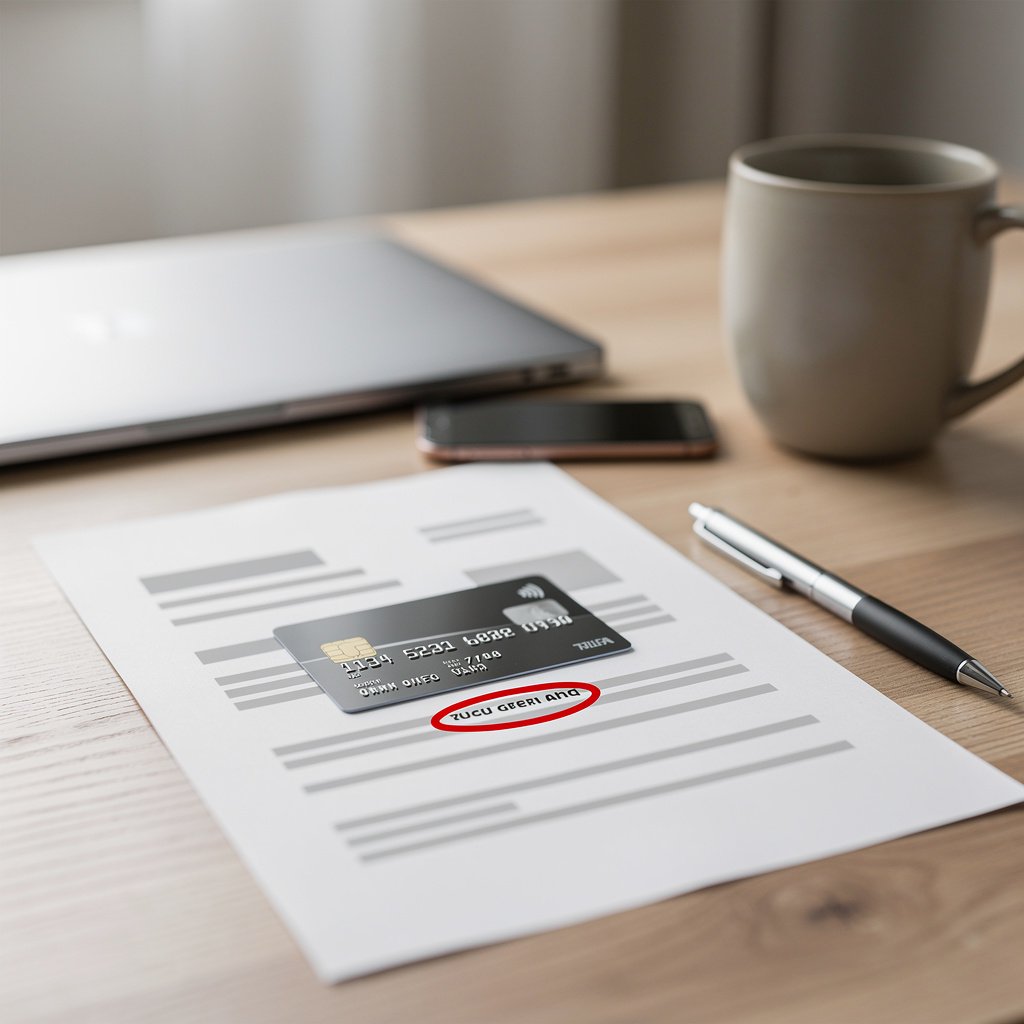
Free Trial Charged Me Anyway: What to Do Immediately
A “free” trial often requires a payment method and converts automatically unless canceled by a particular deadline. That does not make every later charge correct. The business may have billed early, concealed the renewal terms, charged a different amount, added another subscription, or continued after a valid cancellation.
First identify the merchant and billing agreement. Then stop future renewal through the service, request a refund in writing, and use the payment provider’s dispute process when the evidence supports it.
Identify the exact transaction
Record the statement descriptor, amount, date, payment method, and whether the charge is pending or posted. Search email and app-store receipts for the amount and merchant name. A service may bill under its parent company or payment processor, and a household member may have used a shared payment method.
Do not call a support number found in a sponsored result or complaint comment. Open the app or type the company’s known domain yourself. Check all email addresses, Apple or Google accounts, PayPal automatic payments, mobile-carrier billing, and marketplace subscriptions that could own the trial.
If nobody authorized the purchase, treat it as an unrecognized transaction rather than pretending it was a cancellation error. Contact the payment provider promptly and secure the associated account.
Recover the terms you actually accepted
Find the signup confirmation, product page, checkout screenshots, trial length, conversion price, billing interval, cancellation deadline, and any pre-checked option. Compare those terms with the charge. Note the time zone if cancellation happened near midnight.
The FTC’s free-trial and auto-renewal guidance warns that trials may convert to recurring subscriptions and advises consumers to retain cancellation records and monitor statements.
If the current website differs from what you saw, save both versions without altering the original evidence. Archived emails, browser history, and receipts may show the earlier offer better than a current policy page.
The same FTC page says a business must explain how to cancel before it collects your payment details, and must make cancelling simple. If the cancellation terms were missing or hidden at signup, say so in your refund request and keep the screenshots.
Cancel renewal without deleting the evidence
Use the cancellation method named in the service or platform. Save screenshots before and after each step, including the subscription status and next billing date. Obtain a confirmation email or reference number.
Uninstalling an app, deleting a profile, removing a payment card, or stopping use usually does not cancel the billing agreement. A subscription bought through an app store may need cancellation in that store rather than inside the developer’s website.
If no cancellation control works, send a concise written notice through the official support route. State the account, subscription, cancellation date, disputed charge, and instruction not to renew. Do not send passwords, full card numbers, or identity documents through ordinary email.
Make a specific refund request
Explain why the charge conflicts with the offer or cancellation record. Useful grounds include billing before the disclosed deadline, an amount or interval not disclosed, duplicate enrollment, continued charges after confirmed cancellation, or a trial account that was never authorized.
Attach the signup terms, receipt, cancellation confirmation, and statement entry. Ask for the amount, refund method, and response date. Avoid claiming “fraud” if you knowingly started the trial but dispute its renewal terms; accurate categories help the merchant and bank evaluate the case.
If access remained available after cancellation, do not keep using paid features while demanding that the entire period was unused. State precisely what was and was not used.
Escalate through the payment method
If the company refuses or keeps billing, contact the credit- or debit-card issuer through its official app or the number on the card. Ask which billing-error or chargeback process applies and the deadline for both online and written notice. Provide the cancellation and terms rather than only stating that the trial was unwanted.
The FTC advises consumers to dispute extra charges or continued billing after cancellation and to preserve related letters, notes, and emails. Card-network, bank, wallet, and local-law rules differ, so follow the provider’s current instructions.
Do not file duplicate disputes through a card issuer and a digital wallet without disclosing the other case. Track provisional credits, evidence deadlines, and final decisions.
For a credit card, the CFPB's guide to disputing a charge says to call the card company right away and then send a written billing-error notice within 60 calendar days after the charge appeared on your statement. The company has 30 days to confirm in writing that it received the dispute. A phone call alone does not replace the written notice.
If the trial billed your bank account directly instead of a card, use the CFPB's steps for stopping automatic payments: revoke permission with the company, tell the bank, and confirm both in writing.
Stop the next renewal too
A refund and a cancellation are different outcomes. Confirm in writing that the subscription is ended and check the next-renewal field. Review the following two statements for another charge, including a slightly changed descriptor or amount.
Replacing a card alone may not end recurring billing because account-updater services can provide participating merchants with new card details. The reliable control is cancellation plus a documented payment dispute when billing continues.
Remove unnecessary saved payment methods only after preserving receipts and order history. Change the account password if anyone else may have accessed it and enable purchase verification on shared devices.
Related guides: charged after cancelling a subscription, how to cancel a subscription that won't let you cancel online and chargeback vs refund: which should you try first.
Report deceptive subscription practices
If the business concealed the paid conversion, made cancellation unreasonably difficult, or continued after a clear request, report the pattern at ReportFraud.gov and to the state attorney general. A regulatory report helps document conduct but does not itself reverse a payment.
For a merchant outside the United States, the card issuer, marketplace, and relevant consumer agency may still have complaint routes. Keep the factual record consistent across them.
Make future trials auditable
Before enrolling, save the offer and cancellation terms, set two reminders before the deadline, and use a merchant-specific virtual card if the issuer offers appropriate controls. Check whether cancellation is available through the same platform used to subscribe.
The important evidence is not whether the service was called “free.” It is what price and renewal were disclosed, what you accepted, when you canceled, and what the company charged.
Before the next trial, the FTC suggests this checklist:
- Read the terms for the trial length, the price after it ends, and how and when to cancel
- Search the company name with words like "scam" or "complaint"
- Uncheck any pre-checked boxes you do not want
- Mark the cancellation deadline on a calendar
- Check card statements for charges you did not expect
This article provides general consumer information, not legal, financial, or chargeback advice. Rights and deadlines depend on the payment method and jurisdiction.
Sources:
- Getting In and Out of Free Trials, Auto-Renewals, and Negative Option Subscriptions, FTC Consumer Advice
- How do I dispute a charge on my credit card bill? CFPB
- How do I stop automatic payments from my bank account? CFPB
- ReportFraud.ftc.gov, Federal Trade Commission

Written by TheDigitalLife Editorial Team
Edited by R. K. Tiwari
Owner & Editor
R. K. Tiwari is the owner and editor of TheDigitalLife. He checks each guide against official U.S. sources before it is published.
About the editor and our editorial standards