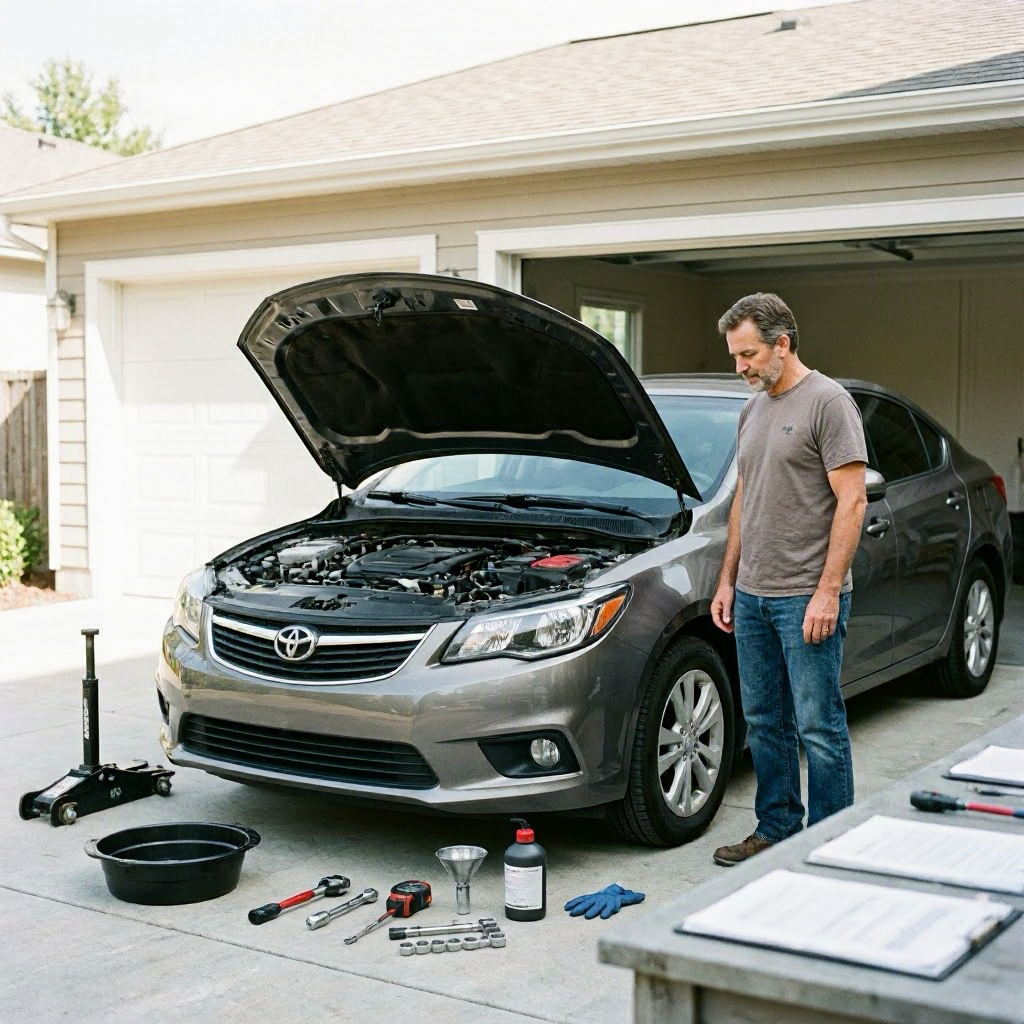
Car Maintenance cost calculator: what Americans should budget
Why Car Maintenance Budgeting Matters for American Drivers
Owning a car is a necessity for most Americans, especially in areas without robust public transit. Transportation ranks as one of the top household expenses, right after housing and food. Maintenance costs can surprise drivers who don't plan ahead, leading to bigger repair bills or unsafe vehicles.
Budgeting for car maintenance helps you spread costs over time, avoid debt from emergency fixes, and keep your car reliable. This article walks you through average costs, a simple calculator framework, and practical steps to lower expenses without cutting corners on safety.
Think of it as part of your overall transportation budget. Factor in gas, insurance, registration, and parking alongside maintenance for a full picture.
Average Annual Car Maintenance Costs in the US
Routine car care adds up quickly. According to reports from organizations like AAA and Consumer Reports, the average American spends between $600 and $1,500 per year on maintenance and minor repairs for a typical sedan, depending on age, mileage, and location.
These figures cover oil changes, tire rotations, brake checks, and fluid top-offs. Newer cars under warranty cost less, while vehicles over 10 years old or high-mileage trucks push toward the higher end.
Costs vary by state due to labor rates and parts prices. For example, urban areas like California or New York often see 20-30% higher shop rates than rural Midwest spots.
Your first step: Review your vehicle's service history. Check the odometer, owner's manual, and past receipts to estimate where you stand.
Key Components of Car Maintenance Costs
Break down expenses into routine, preventive, and unexpected categories. Routine items happen on a schedule, preventive work extends your car's life, and unexpected issues arise from wear or neglect.
Routine Maintenance Basics
These keep your car running smoothly: - Oil and filter changes: Every 3,000-10,000 miles. - Tire rotations and balancing: Every 5,000-8,000 miles. - Air filter replacements: Annually or every 15,000 miles. - Fluid checks (brake, coolant, transmission): Every 6 months or 30,000 miles.
Preventive Services
Invest here to avoid breakdowns: - Brake pad replacements: Every 30,000-70,000 miles. - Timing belt or chain: Every 60,000-100,000 miles on applicable models. - Battery testing: Every 2-3 years.
Unexpected Repairs
These stem from ignored issues, like worn belts leading to engine damage. Budget a buffer for them.
Track everything in a notebook or app. Note mileage at each service and total costs.
Building Your Personal Car Maintenance Cost Calculator
You don't need fancy software, just a spreadsheet or paper worksheet. This calculator uses your driving habits to project annual costs.
Step 1: Gather Your Inputs
List these details: - Annual mileage driven (check odometer or app like Fuelly). - Vehicle make, model, year (affects parts costs). - Current mileage on odometer. - Location (labor rates vary; urban vs. rural). - DIY comfort level (tools and time available).
Average American drives 13,500 miles per year, per Federal Highway Administration data.
Step 2: Use Cost Ranges for Common Services
Estimate per service, then multiply by frequency.
Here's a starting table for cost ranges (national averages; check local shops for quotes):
| Maintenance Item | Frequency (miles) | Cost Range (USD) | Annual Cost at 13,500 miles |
|---|---|---|---|
| Oil change | 5,000-7,500 | $40-$100 | $200-$500 |
| Tire rotation/balance | 5,000-8,000 | $20-$50 | $75-$150 |
| Brake inspection/pads | 30,000 | $150-$400 | $75-$200 |
| Air filter | 15,000-30,000 | $20-$60 | $30-$60 |
| Battery check/replace | 3 years | $100-$200 | $35-$70 |
| Transmission fluid | 30,000-60,000 | $100-$300 | $50-$150 |
Total estimated annual routine maintenance: $465-$1,130 for average driving. Adjust for your mileage: (Your annual miles / interval miles) x cost range.
Step 3: Calculate Total
Formula: Annual maintenance = (Routine services x frequency) + (Preventive x as needed) + 10-20% buffer for surprises.
Example: Drive 15,000 miles/year.
- Oil changes: 15,000 / 7,500 = 2 x $70 avg = $140.
- Tires: 15,000 / 6,000 ≈ 2.5 x $35 = $88.
- And so on. Sum up, add buffer.
Step 4: Monthly Budget
Divide annual total by 12. Set aside that amount monthly in a dedicated savings account. Use bank apps like Ally or Capital One for high-yield options.
Factors That Affect Your Maintenance Budget
Not all cars or drivers cost the same. Adjust your calculator for these:
- Vehicle type: Sedans average lower costs than SUVs or trucks. Electric vehicles save on oil but need battery checks.
- Age and mileage: Cars over 100,000 miles double repair risks.
- Driving habits: Highway miles wear less than city stop-go.
- Location: Labor $100-$200/hour in cities; parts pricier in remote areas.
- Shop choice: Dealerships charge more than independents.
Climate matters too, Rust Belt states need more rustproofing.
Review your insurance policy, some include roadside assistance that offsets tow costs from breakdowns.
Sample Budgets for Different American Households
Tailor to your situation.
Low-Mileage Commuter (10,000 miles/year, compact car)
- Routine: $400/year.
- Buffer: $100.
- Monthly: $42. Ideal for urban renters using transit part-time.
Family SUV (20,000 miles/year, 5+ years old)
- Routine: $900.
- Tires/brakes extra: $500.
- Buffer: $200.
- Monthly: $133. Covers school runs and errands.
High-Mileage Gig Worker (30,000 miles/year, truck)
- Routine: $1,500.
- Frequent tires: $800.
- Buffer: $400.
- Monthly: $233. Track via apps like Stride for tax deductions on business miles.
Gig workers: Log miles for IRS mileage rate (65.5 cents/mile in 2023; check irs.gov for current).
Practical Ways to Lower Car Maintenance Costs
Saving starts with smart choices. Aim for 20-30% reductions without risks.
Choose the Right Shop
- Get 2-3 quotes for big jobs.
- Use independents certified by ASE (ase.com).
- Avoid chains pushing upsells.
DIY Where Safe
Basic tasks like air filters or wiper blades save $20-50 each. Buy parts from AutoZone or O'Reilly; use YouTube tutorials matched to your model.
Never DIY brakes, airbags, or electrical if unsure – safety first.
Preventive Habits
- Check tire pressure monthly (saves 10% on gas).
- Use quality oil; follow manufacturer schedule.
- Combine errands to cut idle time.
Tire and Parts Savings
Shop sales at Discount Tire or Costco. Compare unit prices for oil packs.
| Cost-Saving Strategy | Potential Annual Savings | Notes |
|---|---|---|
| DIY oil changes | $100-$300 | Buy bulk oil/filter |
| Tire pressure checks | $50 (via gas savings) | Free at most stations |
| Shop around for brakes | $100-$200 | Quotes prevent overcharges |
| Follow schedule strictly | $300+ (avoids majors) | Use app reminders |
Negotiate and Discounts
Ask for senior, military, or student discounts. Join AAA for shop networks ($50-$100/year membership pays off).
Bundle with insurance reviews; some insurers offer maintenance discounts.
Avoiding Scams and Hidden Fees in Auto Repair
Shady shops inflate bills. Watch for:
- Unnecessary services like flushes you don't need.
- Pressure to approve work on the spot.
- "Check engine" bait without diagnostics.
FTC advice (consumer.ftc.gov): Get repairs in writing, refuse verbal guarantees. Verify with CFPB (consumerfinance.gov) for complaint filing.
Demand parts inspection before payment. Keep receipts for warranty claims.
Financing Maintenance Without Debt
Pay cash where possible. If needed:
- Use high-limit credit cards with 0% intro APR, pay off fast.
- Shop credit union auto loans for repairs (rates under 10%).
- Avoid payday loans or title pawns – high interest traps.
Build an emergency fund covering 3 months' maintenance.
Tracking Your Budget and Making Adjustments
Review quarterly: 1. Log services and costs. 2. Compare actual vs. budgeted. 3. Adjust for mileage changes.
Use free tools:
- Google Sheets template: Columns for date, mileage, service, cost.
- Apps like Drivvo or Fuelly for mileage/cost tracking.
Set calendar reminders for services. Share costs if multi-driver household.
Long-Term Planning for Big Savings
Replace vs. repair: At 150,000+ miles, calculate total ownership cost. Use Edmunds or Kelley Blue Book for values.
Consider certified pre-owned for lower maintenance phases.
Electric or hybrid? Lower routine costs long-term, but check upfront via energy.gov/energysaver.
Tax perks: IRS credits for clean vehicles (irs.gov/credits-deductions).
Putting It All Together: Your Action Plan
Start today:
- Calculate your annual miles.
- Build the worksheet with ranges.
- Get a free inspection quote.
- Set monthly auto-transfer to savings.
This approach keeps your car safe, reliable, and your budget intact. Regular upkeep prevents costly breakdowns averaging $500+, per industry data.
Revisit your calculator yearly as habits or vehicle change. Drive smarter, spend less.

About the TDL Expert Panel
TDL Expert Panel · TheDigitalLife Editorial Team
TDL Expert Panel is the editorial team behind TheDigitalLife. The team researches, reviews, and creates practical guides to help everyday readers make better decisions about home repair costs, refunds, AI tools, digital safety, productivity, and useful online resources. Each guide is written to be clear, useful, and easy to understand.