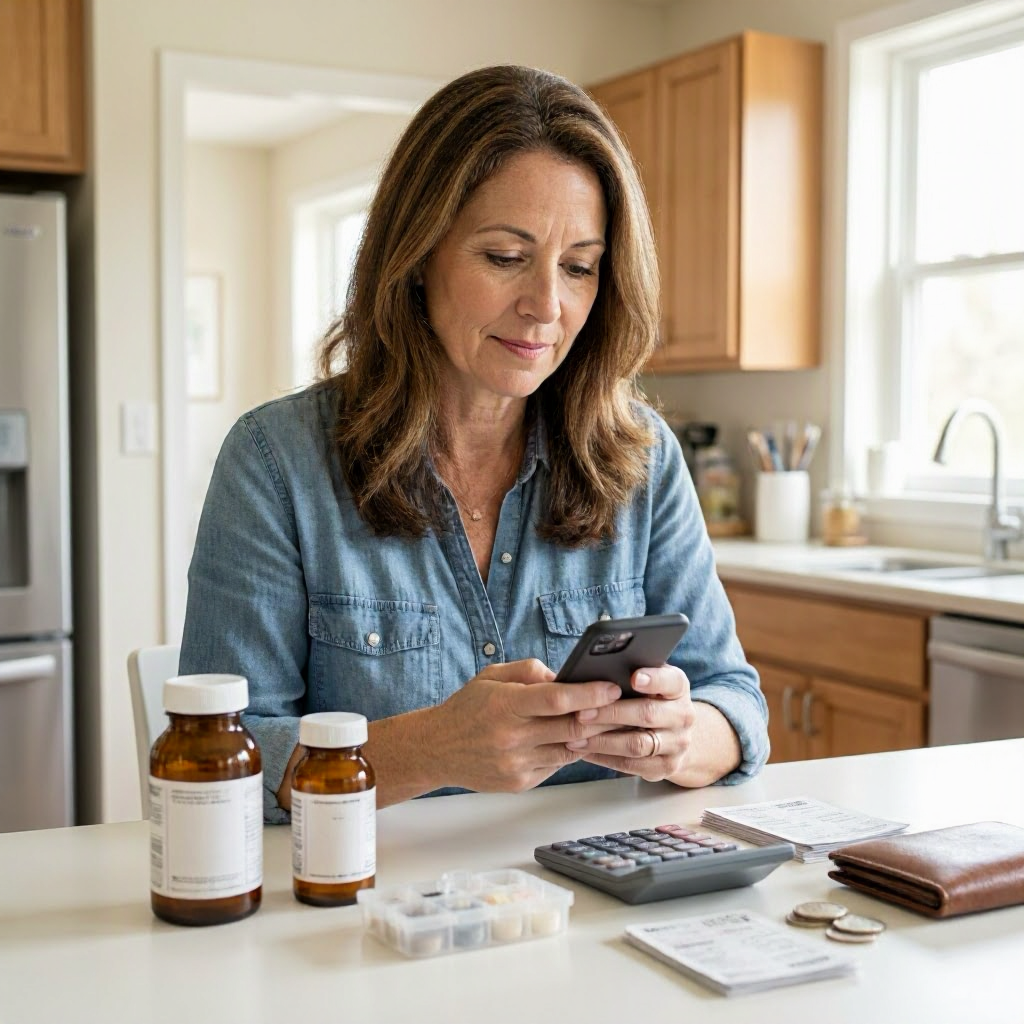
Best ways to lower your prescription drugs costs
Understand Your Prescription Drug Costs First
Prescription medications often rank among the largest recurring household expenses in the United States, especially for families managing chronic conditions like diabetes, high blood pressure, or heart disease. With out-of-pocket costs rising due to deductibles, copays, and list prices, many Americans spend hundreds or thousands of dollars yearly on drugs. The good news is you have practical options to lower these costs without skipping needed medications or risking health.
Start by reviewing your recent pharmacy receipts, insurance Explanation of Benefits (EOB) statements, and credit card or bank statements for the past three months. Note the drug name, strength, quantity, pharmacy, price paid, and any insurance details. This baseline helps track what changes actually save money. Separate costs into cash-pay drugs (no insurance coverage) versus copays, as strategies differ.
Check your insurance plan details through your insurer's portal or member card. Look for formulary lists (covered drugs), tier levels (copay amounts), prior authorization requirements, and mail-order options. If you're on Medicare Part D or Medicare Advantage, log into Medicare.gov to review your plan's drug coverage and costs.
Talk to Your Doctor and Pharmacist About Affordable Alternatives
Your healthcare team can guide you to lower-cost options that maintain effectiveness. Begin with an open conversation at your next appointment or pharmacy visit.
Request Generic Versions
Most prescriptions have FDA-approved generic equivalents that work the same but cost 80-85% less on average. Ask your doctor to specify "dispense as written" only if a brand-name is medically necessary, or switch to the generic. Pharmacists can often substitute generics automatically if your state allows it and your doctor hasn't written "do not substitute."
For example, if you're prescribed a brand-name statin like Lipitor, the generic atorvastatin might cut your copay from $50 to $10 or less. Confirm the National Drug Code (NDC) on receipts to ensure you're getting the generic.
Explore Therapeutic Alternatives
Discuss drugs in the same class with lower copays or cash prices. Your doctor might switch from a newer, pricier drug to an older, equally effective one. Tools like the formulary checker on your insurance site show copay differences.
Pharmacists know local pricing and can suggest switches. Call ahead: "Is there a lower-cost alternative to [drug name] that treats the same condition?"
Ask for Lower Quantities or Doses
Request a 7- or 14-day supply to test affordability while managing cash flow. Some doctors adjust doses to use cheaper strengths, like splitting higher-dose pills if safe (confirm with pharmacist).
Compare Prices Across Pharmacies and Use Discount Cards
Drug prices vary widely by pharmacy, even for the same generic. A 30-day supply might cost $20 at one store and $150 at another.
Shop Around with Price Comparison Tools
Use free apps and websites to compare cash prices: - GoodRx.com or the GoodRx app: Enter your drug, zip code, and dosage for nearby pharmacy prices, plus printable coupons. - SingleCare.com: Similar tool with free discount cards. - RxSaver or PharmacyChecker: Additional options.
Visit Walmart, Costco, or big-box stores for low generic prices on hundreds of common drugs (check their $4 generic lists online). Regional chains like Publix or Kroger often match competitors.
Call three to five local pharmacies for quotes, including independents. Say: "What's your cash price for 30 [drug name] [strength] without insurance?" Factor in sales tax (varies by state) and drive time.
Free Discount Cards and Coupons
Clip discount cards from GoodRx, SingleCare, or Amazon Pharmacy Savings Card, no sign-up fees, no income limits. They reduce cash-pay prices, sometimes beating insurance copays. Print or show on your phone at checkout.
Manufacturer coupons via sites like InternetDrugCoupons.com or the drugmaker's website can lower brand-name costs. Check eligibility on the official brand site.
| Discount Program | How It Works | Where to Get It |
|---|---|---|
| GoodRx | Compares prices and offers coupons for cash pay | GoodRx.com or app |
| SingleCare | Free prescription discount card | SingleCare.com |
| Costco Rx Cards | Low prices for members/non-members on generics | Costco.com/pharmacy |
| Walmart $4 List | Select generics for $4/30-day | Walmart.com/pharmacy |
Always verify the final price at checkout, as prices change.
Leverage Patient Assistance Programs (PAPs)
Pharmaceutical companies and nonprofits offer free or low-cost drugs for those who qualify based on income, usually up to 400-500% of federal poverty level.
Company-Sponsored Programs
Visit the drug manufacturer's website or RxAssist.org for a directory. Apply online or by phone, provide income proof like tax returns or pay stubs. Approvals take weeks; drugs ship to your doctor or pharmacy.
Examples include Pfizer RxPathways or AstraZeneca Savings Center. NeedyMeds.org lists programs by drug and condition.
Nonprofit and Government Aid
- Partnership for Prescription Assistance (PPARx.org): Matches you to 475+ programs.
- HealthWell Foundation or PAN Foundation: Copay assistance for specific diseases.
- State pharmaceutical assistance programs (check your state's health department site via Healthcare.gov).
For Medicaid-eligible low-income households, Extra Help from Social Security covers Medicare Part D premiums and copays. Apply at SSA.gov or call 1-800-MEDICARE.
Optimize Medicare, Insurance, and Employer Benefits
If you're on Medicare Part D, compare plans annually during Open Enrollment (October 15-December 7) at Medicare.gov/plan-compare. Switch to a plan with better formulary coverage or lower copays for your drugs, savings can exceed $1,000 yearly.
Medicare's Low-Income Subsidy (LIS) helps with costs; check eligibility at SSA.gov.
For employer or marketplace insurance:
- Use the plan's formulary tool to pick lowest-tier drugs.
- Appeal denials or request exceptions for non-covered drugs.
- Ask HR about flexible spending accounts (FSA) or health savings accounts (HSA), pre-tax dollars for prescriptions.
HSA/FSA funds cover copays and cash-pay drugs. Contribute up to IRS limits ($3,850 individual/$7,750 family for 2023 HSAs; check IRS.gov for current).
Switch to Mail-Order and 90-Day Supplies
Many insurance plans offer lower copays for 90-day supplies via mail-order pharmacies like Express Scripts, OptumRx, or CVS Caremark. Log into your insurance portal to enroll, often 50% less per dose than 30-day fills.
Amazon Pharmacy or Capsule provide free delivery with competitive pricing. Walmart and Costco offer mail-order too.
Confirm your plan covers it and ships to your address. Start with one drug to test reliability.
Consider Over-the-Counter Switches and Prevention
For mild issues, ask if prescription-strength is needed or if OTC versions suffice, like switching allergy meds or pain relievers. Compare total cost: OTC might be cheaper long-term.
Preventive steps reduce future needs: Follow lifestyle advice from your doctor, like diet for blood pressure meds.
Use Compounding Pharmacies or Pill-Splitting When Appropriate
State-licensed compounding pharmacies customize doses, sometimes cheaper for shortages or unique needs. Find via PCCA.org directory; verify licensing with your state board of pharmacy.
Pill splitters (under $10 at pharmacies) halve costs for scored tablets, ask pharmacist first for safety.
Build a Prescription Savings Checklist
Use this step-by-step list weekly or monthly:
- Review bills: Check EOBs, receipts, statements for surprises.
- Doctor visit prep: List drugs; ask for generics/alternatives.
- Price shop: Use GoodRx for three pharmacy quotes.
- Apply discounts: Use free cards; check manufacturer sites.
- Assistance check: Search RxAssist.org if income-qualified.
- Insurance review: Confirm coverage; appeal if needed.
- 90-day switch: Enroll in mail-order if available.
- Track changes: Note old vs. new prices in a notebook or app.
| Common Drug Cost Issue | Quick Check |
|---|---|
| High copay | Compare cash price with discount card |
| Non-covered drug | Search patient assistance programs |
| Frequent refills | Switch to 90-day mail-order |
| Brand-name only | Ask doctor for generic equivalent |
Avoid Scams and Misleading Offers
Beware fake "bill negotiators" or sites promising drastic cuts for fees, verify via FTC.gov. Never pay with gift cards or wire transfers.
"Canadian pharmacies" often ship unapproved drugs; stick to US-licensed via NABP's VIPPS program (vipps.nabp.pharmacy).
Free trial traps or fake coupons steal data. Use only trusted sites; check reviews on BBB.org.
High-pressure calls claiming "government discounts" are scams, hang up and contact your plan directly.
Government Resources for Extra Help
- 211.org: Local aid for meds.
- HRSA Health Center Finder: Sliding-scale clinics.
- FDA.gov: Generic approvals and safety.
- ConsumerFinance.gov: Billing disputes.
State Medicaid offices (via Medicaid.gov) offer drug coverage for eligible residents.
Track Your Savings and Plan Ahead
After changes, monitor statements for three months. Calculate savings: (old cost - new cost) x fills per year. Adjust if a drug's price drops further.
Keep records:
- Receipts and EOBs (2 years).
- Discount card printouts.
- Assistance approvals.
- Doctor notes on alternatives.
- Insurance plan summaries.
Set calendar reminders for renewals, plan changes, and annual reviews. Share strategies with family caregivers or household members.
For gig workers or fixed-income seniors, prioritize assistance programs first. Renters or homeowners on tight budgets benefit most from discount cards and generics.
Long-Term Strategies for Household Budgets
Integrate drug savings into your overall plan. List all recurring health costs alongside groceries and utilities. Use bank apps or free tools like Mint to categorize "healthcare."
Aim for small wins: One generic switch might free $20-50 monthly. Reinvest in an emergency fund or FSA contributions.
Consult a licensed pharmacist or social worker for personalized guidance, many clinics offer free help. If costs threaten basics like rent or food, contact 211 immediately.
By comparing options, using free tools, and communicating with providers, most households lower prescription costs safely and sustainably. Start with your highest-cost drug today for quick results.

About the TDL Expert Panel
TDL Expert Panel · TheDigitalLife Editorial Team
TDL Expert Panel is the editorial team behind TheDigitalLife. The team researches, reviews, and creates practical guides to help everyday readers make better decisions about home repair costs, refunds, AI tools, digital safety, productivity, and useful online resources. Each guide is written to be clear, useful, and easy to understand.