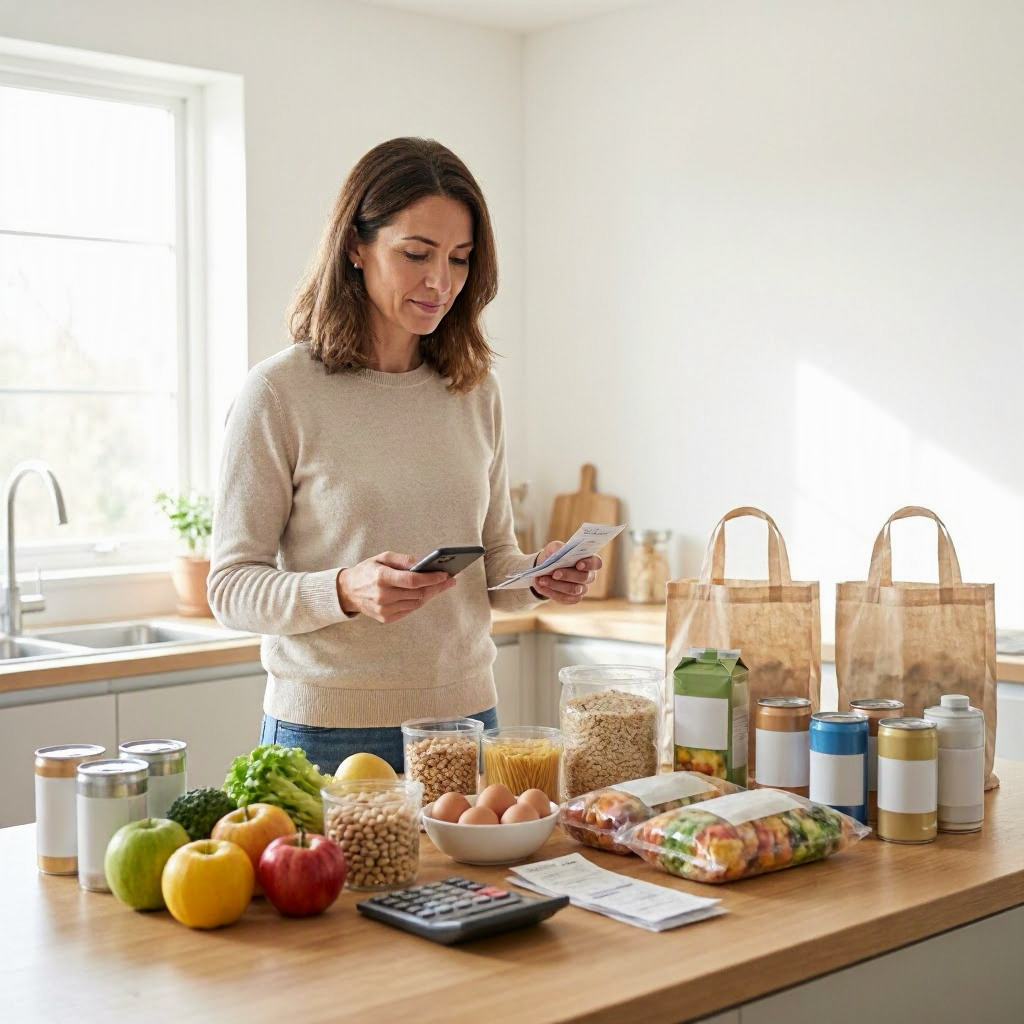
Best ways to lower your groceries costs
Why Grocery Costs Are Climbing and How to Fight Back
Grocery prices in the United States have risen steadily due to supply chain issues, inflation, and higher production costs. For many households, food spending now takes up 10 to 15 percent of the monthly budget, sometimes more for families with kids or limited income. The good news is you can lower these costs through practical changes without cutting essentials or risking health.
Start by reviewing your last three months of grocery receipts and bank statements. Note what you spend weekly or monthly, including delivery fees or impulse buys. This baseline shows where small tweaks add up.
Separate your grocery list into needs like milk, bread, and produce, and flexible items like snacks or specialty meats. Track spending for one week using a notebook or free bank app to spot patterns, such as frequent trips leading to overspending.
Set a Realistic Grocery Budget That Fits Your Household
A grocery budget helps control spending without guesswork. For a single person, aim for $50 to $75 per week; for a family of four, $150 to $250, depending on location and diet. Adjust based on your income, household size, and local prices.
List your fixed income and all expenses first, then allocate for groceries. Use the 50/30/20 rule as a starting point: 50 percent needs, 30 percent wants, 20 percent savings or debt. Subtract groceries from the needs category.
Create a weekly grocery allowance. Divide your monthly target by 4.3 for accuracy. For example, if your budget is $400 monthly, set aside about $93 weekly. Transfer this to a separate debit card or envelope to avoid overspending.
Review your budget monthly. If costs exceed the limit, cut flexible items next time. Tools like free spreadsheets from your bank or apps such as Mint can automate tracking.
Quick Budget Worksheet
- Total household income: $
- Current monthly grocery spend: $
- Target monthly grocery budget: $ (reduce by 10-20% initially)
- Weekly allowance: $
- Leftover from last week: $ (roll over to next)
Build Meal Plans Around What You Already Have
Meal planning cuts costs by 20 to 30 percent for many shoppers. Start with inventory: check fridge, freezer, and pantry for proteins, grains, veggies, and staples. Plan 5 to 7 dinners around these to avoid duplicate buys.
Theme your week. Meatless Monday uses beans or eggs; Taco Tuesday builds on ground meat or veggies. Breakfasts like oatmeal or eggs reuse pantry items. Lunches from dinner leftovers save time and money.
Write a list of 7 breakfasts, lunches, dinners, and snacks. Estimate portions realistically: a family of four might need 2 pounds of chicken for one meal, not more. Search free recipe sites for budget meals under $3 per serving.
Shop only from your list. Post it on the fridge and assign shopping days to one person to prevent extras. Rotate plans seasonally: summer salads from fresh produce, winter soups from canned goods.
Compare Unit Prices and Shop the Right Stores
Not all stores or sections save money equally. Compare unit prices (cost per ounce or pound) on shelf tags, not total package price. A larger cereal box might seem cheaper but check the per-ounce tag.
Regional store strategies:
- Discount chains like Aldi or Lidl offer 20 to 50 percent lower prices on staples. Buy produce there if fresh.
- Warehouse clubs like Costco or Sam's Club work for bulk non-perishables if you use them fully.
- Traditional supermarkets like Kroger or Safeway shine for sales and coupons.
Visit stores weekly for ads, but don't shop hungry. Combine trips: one for staples, another for produce. Use gas rewards if driving adds up.
| Grocery Category | First Savings Check | Smart Alternative |
|---|---|---|
| Dairy (milk, eggs) | Unit price on gallons vs half-gallons | Store brand over name brand |
| Produce | In-season items, loose vs bagged | Frozen if cheaper per pound |
| Meat/Protein | Sales flyers, manager specials | Chicken thighs over breasts, beans |
| Pantry Staples | Bulk aisle unit prices | Generic pasta, rice in 5-lb bags |
| Snacks/Beverages | Smaller packs first | Water over soda, bulk nuts portioned |
Maximize Sales, Coupons, Loyalty Programs, and Apps
Weekly ads from store websites or apps highlight deals. Sign up for loyalty programs at chains like Publix or Meijer for digital coupons loaded to your card. Stack them: sale price plus coupon plus rewards.
Clip digitally. Use store apps or sites like Coupons.com for printable ones. Avoid buying items just for coupons, as that leads to waste.
Cash-back apps reward scans:
- Scan receipts on Fetch Rewards or Ibotta for points redeemable as gift cards.
- Checkout 51 or Shopkick for specific store rebates.
Limit to planned purchases. Check expiration dates and minimum spends. Track rewards earnings monthly to confirm value.
Beware fake coupons online. Verify through official store sites or apps. Scams promise "free groceries" but steal data or charge hidden fees.
Switch to Store Brands and Buy in Bulk Wisely
Store brands match name-brand quality 90 percent of the time for basics like canned tomatoes, yogurt, or cereal. Taste-test one category at a time.
Bulk buying rules:
- Yes for rice, oats, toilet paper: divide into portions, freeze extras.
- No for perishables like bread or berries unless you freeze immediately.
- Calculate total cost: a 10-pound flour bag saves if used before spoiling.
Split bulk with neighbors or family if quantities overwhelm. Compare membership fees at warehouse clubs against annual savings.
Weigh Delivery, Curbside Pickup, and In-Store Options
Delivery from Instacart or Shipt adds $4 to $10 fees plus tips. Pickup at Walmart or Kroger often waives fees over $35. Compare total: delivery might save time but cost more.
Cost comparison steps: 1. List items and estimate in-store total. 2. Add fees, taxes, tips for delivery/pickup. 3. Choose lowest if quality matches.
In-store avoids surprises like out-of-stock substitutions. Use self-checkout for speed. Keep all receipts for price errors or rewards.
Cut Food Waste to Boost Savings
Americans throw out 30 to 40 percent of food. Freeze extras immediately: bread, cooked meats, veggies. Use "first in, first out" rotation in fridge.
Portion control: Measure servings, like 4 ounces protein per person. Repurpose leftovers: roast chicken into soup.
Compost scraps or use apps like Too Good To Go for discounted near-expiry food from stores. Donate extras to food banks via local drives.
Track waste weekly: log tossed items and adjust buys. This alone can save $1,500 yearly per household.
Weekly Waste Audit Checklist
- Fridge check: Monday, eat oldest dairy/produce.
- Freezer inventory: Label dates, use within 3 months.
- Pantry scan: Donate unneeded cans.
- Shopping tweak: Buy 20% less perishables next time.
Special Tips for Families, Seniors, Gig Workers, and Fixed Incomes
Families: Involve kids in planning; double recipes for freezer meals. School lunch packs from dinner save $5 daily.
Seniors: Check senior discount days at chains like Winn-Dixie. Use Meals on Wheels if eligible, freeing budget.
Gig workers: Stock easy meals like peanut butter, nuts for irregular schedules. Buy during off-peak store hours.
Fixed incomes: Contact 211 for SNAP screening or local food pantries. Stretch staples with rice/bean combos.
Tools and Apps for Long-Term Grocery Savings
Free budgeting apps like EveryDollar categorize groceries. Grocery list apps such as AnyList share plans and track prices.
Price comparison:
- Flipp aggregates ads from multiple stores.
- Basket tracks past prices at your stores.
Set reminders for sales cycles. Review app data monthly: did changes lower spending?
Track Progress and Make It Sustainable
After one month, compare receipts to baseline. Note savings in categories like dairy or snacks. Adjust: if bulk failed, switch to weekly small buys.
Savings tracker template: | Week | Planned Spend | Actual Spend | Savings | Notes | |------|---------------|--------------|---------|-------| | 1 | $90 | $85 | $5 | Less snacks | | 2 | $90 | $82 | $8 | Meal plan win | | ... | ... | ... | ... | ... |
Celebrate wins: bank savings for treats. Reassess quarterly as prices change.
Avoid Common Grocery Savings Pitfalls
Don't chase every "BOGO" without need. Bulk traps perishables. Impulse aisles near registers add 20 percent to totals, so use express lanes.
Scams: Fake apps charge for "unlimited coupons." Verify via FTC at consumer.ftc.gov. Unsolicited calls claiming "grocery rebates" want payments.
Shop ethically: Avoid expired food. Prioritize nutrition over rock-bottom prices.
Sample 7-Day $75 Grocery Plan for Two Adults
Pantry staples assumed: Oil, spices, rice.
- Day 1: Oatmeal breakfast, PB&J lunch, bean chili dinner ($12).
- Day 2: Eggs/toast, leftovers lunch, chicken stir-fry ($15).
- Day 3: Yogurt/fruit, turkey sandwiches, pasta primavera ($10).
- Day 4: Smoothie, leftovers, tuna salad ($8).
- Day 5: Pancakes, egg salad, veggie rice ($12).
- Day 6: Cereal, PB lunch, lentil soup ($10).
- Day 7: Toast/eggs, leftovers, quesadillas ($8).
Total: $75. Scale up/down. Swap based on ads.
Long-Term Habits for Lifelong Savings
Build routines: Sunday planning, mid-week inventory. Teach household members unit price checks.
Garden herbs or join CSAs for produce if feasible. Community supported agriculture shares cut costs 20 percent seasonally.
Stay informed: Check USDA resources for nutrition on a budget. Adjust for inflation by reviewing statements yearly.
With consistent steps, many households lower grocery bills 15 to 25 percent sustainably. Start small, track results, and refine. Your budget will thank you.

About the TDL Expert Panel
TDL Expert Panel · TheDigitalLife Editorial Team
TDL Expert Panel is the editorial team behind TheDigitalLife. The team researches, reviews, and creates practical guides to help everyday readers make better decisions about home repair costs, refunds, AI tools, digital safety, productivity, and useful online resources. Each guide is written to be clear, useful, and easy to understand.