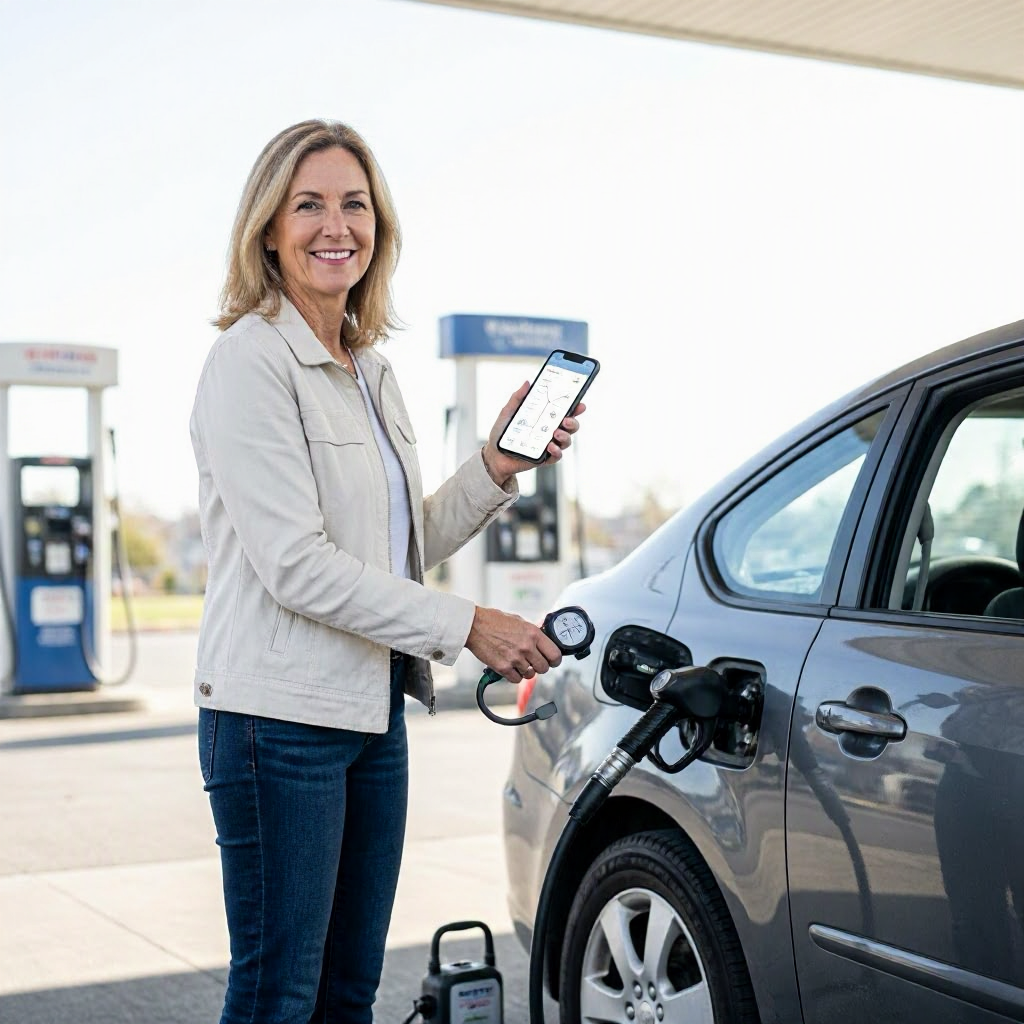
Best ways to lower your gas for commuting costs
Why Commuting Gas Costs Matter for Your Budget
Gas expenses for your daily commute can eat into your paycheck more than you realize. For many U.S. workers, driving to and from work accounts for a large share of monthly transportation spending. With fluctuating gas prices across states like California, Texas, or New York, even small changes add up over time.
This guide focuses on practical steps to lower your gas costs specifically for commuting. You'll learn how to track your current spending, tweak habits, maintain your car, and explore options without risking safety or essential needs. Start with understanding your baseline to see real impact.
Calculate Your Exact Commuting Gas Costs
Before cutting costs, know what you're spending. Many overlook this step, but a quick review of your bank statements and odometer reveals the truth.
Check your last three months of gas receipts and credit card statements. Note total spent on fuel and miles driven for commuting. Divide annual commute miles by your car's MPG to estimate yearly gas use.
Use this simple formula: (Round-trip commute miles per day × 5 workdays × 50 weeks) × (1 / your MPG) × average gas price per gallon = annual cost.
For example, a 30-mile round trip at 25 MPG and $3.50/gallon runs about $2,625 yearly. Track parking, tolls, or maintenance tied to commuting too, for the full picture.
Steps to Track Commuting Gas Spending
- Record daily commute miles using your car's trip odometer or apps like Fuelly or GasBuddy.
- Log gas-ups: Note date, gallons, price per gallon, and odometer reading.
- Separate commute from other driving: Reset trip meter weekly for work-only miles.
- Review statements for rewards cards or cash-back on gas.
Keep a notebook or free spreadsheet. Update weekly. This baseline helps measure savings later.
| Commuting Factor | What to Track | Why It Helps |
|---|---|---|
| Round-trip miles | Daily total | Calculates fuel needs accurately |
| MPG average | From recent fill-ups | Spots efficiency drops |
| Gas price paid | Per receipt | Compares best buy options |
| Total monthly spend | From statements | Shows budget impact |
Drive Smarter to Boost Fuel Efficiency
Your driving style affects MPG more than you might think. Aggressive habits waste gas, but simple adjustments save 10-20% without buying a new car.
Ease off the accelerator and brake smoothly. Rapid starts and stops burn extra fuel. Aim for steady speeds, especially on highways.
Maintain speeds at or below 60 mph on interstates where safe. Wind resistance spikes above that, hurting efficiency.
Key Fuel-Saving Driving Habits
- Coast to stops instead of braking hard.
- Use cruise control on flat highways.
- Avoid idling over 10 seconds, turn off engine.
- Keep tires inflated to manufacturer specs, checked monthly.
- Lighten trunk load, remove roof racks when not needed.
Combine errands with your commute when possible. One extra stop per trip saves a full tank yearly for some drivers.
Anticipate traffic lights and avoid rush hour tails. Apps like Waze or Google Maps predict slowdowns.
Maintain Your Vehicle for Peak MPG
Poor maintenance slashes efficiency. Basic upkeep prevents costly repairs and improves gas mileage.
Change air filter every 12,000 miles or yearly. A dirty one reduces MPG by up to 10%.
Rotate tires every 6,000 miles and align wheels annually. Uneven wear increases rolling resistance.
Use the right oil: synthetic blends for most cars improve efficiency. Follow your owner's manual schedule.
Routine Maintenance Checklist for Gas Savings
- Oil change: Every 3,000-7,500 miles.
- Tire pressure: Check cold tires monthly.
- Spark plugs: Replace per manual (often 30,000 miles).
- Fuel system clean: Every 15,000 miles if recommended.
- Annual tune-up: For older cars.
Visit a trusted mechanic or do DIY where safe. Keep records of services to spot patterns. Neglect here costs more in gas and repairs long-term.
For more tips, check Energy.gov's Energysaver page on vehicle maintenance.
Plan Efficient Routes and Timing
Route choice impacts gas use. Shorter paths or off-peak timing cut consumption.
Use navigation apps daily. Google Maps or Apple Maps factor in traffic, construction, and even fuel-efficient routes.
Carpool lanes save time and gas if you qualify. HOV rules vary by state, check local DOT sites.
Shift commute by 30 minutes to dodge peak traffic. Less stop-and-go means better MPG.
Route Optimization Steps
- Input home and work addresses into multiple apps for comparison.
- Note average time and test alternate routes weekly.
- Combine drop-offs or pickups with commute.
- Avoid construction zones via real-time alerts.
Track savings: one user switched routes and saved 5 gallons monthly.
Shop Smart at the Pump
Where and how you buy gas matters. Compare prices without chasing every penny.
Use apps like GasBuddy or AAA to find stations within 5 miles. Sort by price after taxes and fees.
Fill up mid-week, often cheaper than weekends. Avoid stations near highways, pricier due to convenience.
Pay with cash or debit if credit cards charge fees. Look for grocery store rewards: many offer 5-10 cents off per gallon.
Gas Buying Tips
- Top-tier gas: Brands like Shell, Exxon use detergents for better efficiency.
- Credit card rewards: Check statements for 3-5% cash-back on gas.
- Loyalty programs: Apps from stations like BPme track discounts.
- Avoid small fills: Fewer trips to the pump save time and idling.
Watch for scams: fake apps or "guaranteed lowest price" sites. Verify via official app stores.
Compare total cost: station near work might beat home if commute aligns.
Explore Alternative Commuting Options
Gas isn't your only choice. Realistic alternatives lower costs without stranding you.
Carpool or vanpool. Apps like Waze Carpool or local Facebook groups match riders. Split gas or go fee-free.
Public transit: Check local buses, trains, or ferries. Many cities offer commuter passes cheaper per mile than driving.
Biking or walking for short commutes (under 5 miles). E-bikes extend range safely.
Rideshares like UberPOOL for occasional use, but track costs vs. gas.
Comparing Commuting Alternatives
| Option | Pros for Gas Savings | Cons to Consider | Best For |
|---|---|---|---|
| Carpool | Share fuel cost | Schedule coordination | 10+ mile commutes |
| Public transit | Zero gas, often $50-150/month pass | Fixed schedules | Urban areas |
| Bike/e-bike | Free "fuel" | Weather, distance | 1-10 miles |
| Remote work | No commute | Needs employer OK | 2+ days/week |
Discuss with employer: many offer reimbursements.
For low-income options, explore Lifeline via FCC.gov for transit discounts.
Consider Fuel-Efficient Vehicle Changes
Upgrading makes sense long-term if your car guzzles gas.
Hybrids or electrics cut fuel 50%+. Check EPA.gov for MPG ratings by model.
Trade-ins: calculate total ownership cost including insurance, repairs.
Right-size: smaller sedans beat trucks for solo commutes.
Test drive before buying. Factor depreciation, state rebates.
Leasing hybrids sometimes cheaper monthly.
Wait for deals, but compare true costs. Consumer.ftc.gov has buying guides.
Leverage Employer and Tax Benefits
Programs exist to offset costs.
Ask HR about commuter benefits. Under IRS Section 132(f), pre-tax up to $315/month for transit or parking (2024 limit).
Vanpool reimbursements common.
Self-employed? IRS standard mileage rate (67 cents/mile in 2024) for business drives, not pure commuting. Verify at IRS.gov.
Commuter checks or apps like WageWorks.
Energy.gov lists federal incentives for efficient vehicles.
Avoid Common Gas-Saving Pitfalls
Scams promise big savings: ignore "gas pill" additives or mileage doublers. Stick to proven methods.
Don't underinflate tires or overload to "save," it wastes more.
Skip premium gas unless required, costs extra without benefit.
High-mileage additives? Test one tank, track MPG change.
Track Your Progress and Adjust
Review monthly: compare new gas spend to baseline.
Savings tracker template:
- Month | Commute Miles | Gallons Used | Total Gas Cost | Savings vs. Last Month
- Log in spreadsheet.
Adjust: if biking saves $100/month, invest in gear.
Set reminders for maintenance, route checks.
Keep receipts, statements for taxes or reimbursements.
Celebrate small wins: redirect savings to emergency fund.
Putting It All Together: Your 30-Day Gas Reduction Plan
Week 1: Calculate baseline, track drives.
Week 2: Adopt habits, check tires/oil.
Week 3: Optimize routes, shop pumps smart.
Week 4: Explore alternatives, talk employer.
Expect 10-30% drop realistically, depending on commute.
Reassess quarterly. Sustainable changes beat quick fixes.
For more, visit ConsumerFinance.gov on transportation budgets.
This approach fits renters in apartments, families in suburbs, or gig workers in cities. Tailor to your life for lasting results.

About the TDL Expert Panel
TDL Expert Panel · TheDigitalLife Editorial Team
TDL Expert Panel is the editorial team behind TheDigitalLife. The team researches, reviews, and creates practical guides to help everyday readers make better decisions about home repair costs, refunds, AI tools, digital safety, productivity, and useful online resources. Each guide is written to be clear, useful, and easy to understand.