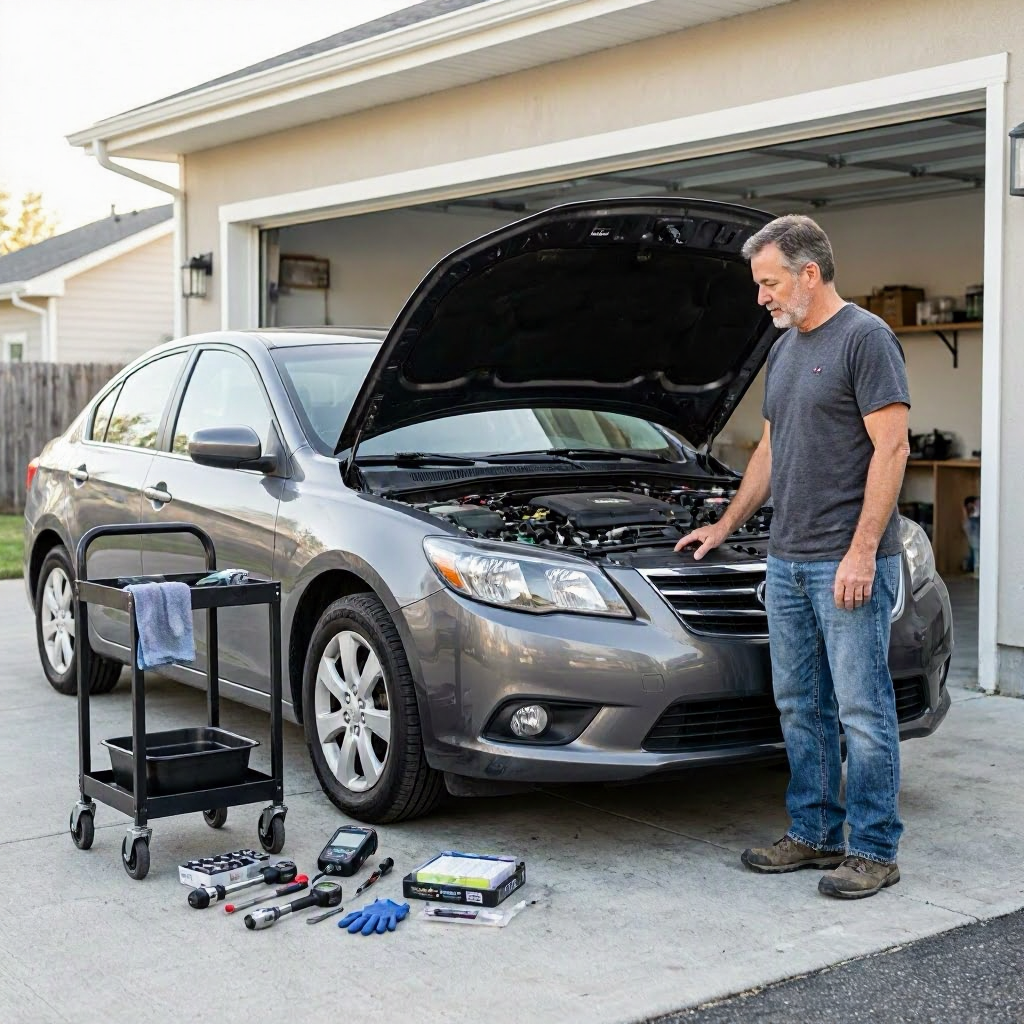
Best ways to lower your car maintenance costs
---
Why Car Maintenance Costs Matter for Your Budget
Car ownership in the United States comes with ongoing expenses beyond gas and insurance. Routine maintenance like oil changes, tire rotations, brake pads, and fluid checks can total $1,000 or more annually for many drivers, according to general household spending patterns. High repair bills from neglected issues can strain budgets, especially for families, commuters, or those on fixed incomes.
The good news is you can lower these costs through smart habits, preventive care, and informed choices. Focus on tracking expenses first, prioritizing essentials, and comparing options safely. These steps help avoid unnecessary spending while keeping your vehicle reliable on US roads.
Start by Tracking Your Car Maintenance Expenses
Before cutting costs, know where your money goes. Review your bank statements, credit card bills, and service receipts from the past 6 to 12 months. Look for recurring charges like oil changes at quick-lube shops or parts from auto stores.
Separate fixed needs (like annual inspections in states requiring them) from flexible ones (like premium synthetic oil). Use a simple notebook, spreadsheet, or free bank app to list:
- Date and service type
- Provider or shop name
- Total cost including taxes and fees
- Odometer reading
This audit reveals patterns, such as overpaying for the same service or skipping recommended checks that prevent bigger bills. Check your vehicle's owner manual for the manufacturer's maintenance schedule, tailored to your make, model, and mileage. Many US cars have digital manuals accessible via the manufacturer's website.
Set a monthly car budget based on your findings. For example, allocate $50 to $100 for routine items, adjusting as you implement savings. Track actual spending weekly to stay accountable without overhauling your entire household budget.
Prioritize Preventive Maintenance to Avoid Costly Repairs
Neglecting basic upkeep leads to 30% higher repair costs over time, as small issues like worn belts or low fluids escalate. Follow your owner's manual schedule, but space out non-critical services if safe.
Oil and Filter Changes
Standard oil changes every 5,000 to 7,500 miles cost $40 to $80 at shops. Switch to conventional oil if your manual allows, or buy filters and oil in bulk from US retailers like AutoZone or Walmart. Change it yourself (see DIY section) to save $30 per service.
Check your dipstick monthly and top off between changes with the grade specified in your manual. This extends intervals safely.
Tire Care and Rotation
Tires wear unevenly, leading to replacements every 40,000 to 60,000 miles at $500 to $800 per set. Rotate every 5,000 to 8,000 miles yourself using a jack and basic tools, avoiding $20 to $40 shop fees.
Maintain 32 PSI (check sidewall for exact pressure) weekly with a $10 gauge. Proper inflation improves fuel economy by up to 3% and extends tire life.
Brake Inspections and Pads
Brake pads last 30,000 to 70,000 miles but signal wear with squealing. Inspect monthly by feeling for pedal vibration or listening for noises. Replace pads yourself if comfortable, sourcing from reputable US parts stores for $50 to $100 per axle versus $300 shop labor.
Flush brake fluid every two years per manual to prevent corrosion.
Battery, Belts, and Fluids
Test your battery free at most auto parts stores annually; replacements run $100 to $200. Tighten or replace serpentine belts ($20 part) before they snap, causing towing fees.
Top off coolant, transmission fluid, and power steering fluid monthly using types matching your manual. This prevents $500+ breakdowns.
Master Basic DIY Maintenance Skills
DIY handles 70% of routine tasks, cutting labor costs that make up 50% of shop bills. Start with low-risk jobs requiring $50 to $100 in tools like a jack, stands, wrenches, and oil drain pan.
Essential Tools for Beginners
Invest once in a starter kit from Harbor Freight or Amazon:
| Tool | Approximate Cost | Primary Uses |
|---|---|---|
| Floor jack and stands | $50 to $100 | Tire rotation, inspections |
| Socket set and ratchet | $30 to $60 | Oil changes, filters |
| OBD-II scanner | $20 to $50 | Read check engine codes |
| Tire pressure gauge | $5 to $15 | Weekly checks |
| Funnel and drain pan | $10 to $20 | Fluid changes |
Step-by-Step DIY Guides
- Oil Change: Park on level ground, warm engine slightly, drain old oil, replace filter, refill with 4 to 6 quarts. Dispose of oil at recycling centers (free at AutoZone).
- Air Filter Swap: Open hood, unclip box, install new filter ($10 to $20). Clean reusable ones if applicable.
- Wiper Blades: Replace annually ($20 pair) for safe visibility.
- Cabin Filter: In glovebox or under dash; swap for $15 to $30.
Watch free YouTube tutorials specific to your car model from trusted channels. Practice on easy tasks first. If unsure, stick to professional service for safety-critical items like brakes or alignments.
Always wear gloves, eye protection, and work in a well-ventilated area. Keep receipts for parts as proof of maintenance for warranties.
Shop Smart for Parts and Repairs
Overpriced parts inflate bills. Compare unit prices at US chains like O'Reilly Auto Parts, Advance Auto Parts, or online at RockAuto.com. Opt for OEM-equivalent quality over cheapest generics to avoid repeats.
Buy in off-peak seasons (winter for summer tires) or during sales advertised in weekly flyers. Use loyalty programs for 5% to 10% back on purchases.
Avoid "lifetime" warranties on parts that require return shipping or exclusive shop use, as they limit savings. For repairs, get itemized quotes from 2 to 3 shops, asking for used or remanufactured parts if reliable.
Choose Reliable, Affordable Mechanics and Shops
Independent shops charge 20% to 40% less than dealers for the same work. Use word-of-mouth from neighbors, Nextdoor app, or AAA-approved lists for vetted options.
Look for ASE-certified technicians (check badges). Ask:
- Hourly labor rate (typically $100 to $150)
- Parts markup percentage
- Warranty on work (30 to 90 days standard)
- Free loaner cars or shuttles
Negotiate by mentioning competitor quotes politely. Schedule during slow times like mid-week mornings for potential discounts. Join shop loyalty programs for free rotations after paid services.
For chain shops like Jiffy Lube or Midas, compare coupons from their apps or Valpak mailers, but verify coverage matches your needs.
Improve Driving Habits to Extend Vehicle Life
Aggressive driving wears parts faster. Gentle acceleration, coasting to stops, and avoiding jackrabbit starts save on brakes, transmission, and suspension.
Combine errands to reduce mileage; apps like GasBuddy route efficiently. Park in shade to preserve battery and interior, cutting AC use.
In cold US winters, use block heaters if equipped to ease starts. These habits delay major services without new costs.
Maximize Warranties, Insurance, and Assistance Programs
Check remaining factory warranty (often 3 years/36,000 miles basic, 5/60,000 powertrain). Extended warranties from dealers add costs; buy third-party only after comparing via Consumer Reports or FTC.gov.
Bundle auto insurance with roadside assistance (AAA starts at $60/year) for tow savings. Some policies cover minor repairs; review yours annually.
For low-income households, check state energy assistance analogs or 211.org for vehicle repair grants. Military families use USAA or Navy Federal perks.
Use Apps, Calculators, and Trackers for Ongoing Savings
Free tools simplify budgeting:
- Fuelly or GasBuddy: Log maintenance and MPG for patterns.
- RepairPal or YourMechanic: Fair price estimates by ZIP code.
- CarMD: OBD scanner apps for codes ($50 device).
Create a maintenance calendar in Google Calendar or phone reminders for schedules. Review quarterly: did DIY save $200? Adjust as needed.
Long-Term Strategies to Keep Costs Low
Maintain one reliable car over multiple lemons. When buying used, get a $100 to $200 pre-purchase inspection from a trusted mechanic.
Consider hybrids or efficient models for lower fluid needs, but calculate total ownership via EPA.gov fuel economy tools.
Sell parts from old cars on Craigslist or Facebook Marketplace safely. For high-mileage vehicles, weigh trade-in against repair costs.
| Common Expense | Quick Savings Check | Potential Annual Savings |
|---|---|---|
| Oil changes | DIY vs shop | $200 to $400 |
| Tires | Proper inflation/rotation | $100 to $300 |
| Brakes | Early pad swap | $200 to $500 |
| Battery | Annual test | $50 to $150 |
Avoiding Scams and Hidden Fees in Car Maintenance
Watch for high-pressure upselling like "flush everything now" without explanation. Verify recommendations against your manual.
Beware unsolicited calls claiming warranty issues; hang up and contact your dealer directly. Fake shops use Google ads; check BBB.org ratings and reviews.
Demand written estimates before work. Decline "core charges" refunds if not returning old parts. Keep all service records for resale value and disputes.
Putting It All Together: Your 30-Day Action Plan
Week 1: Audit expenses and manual schedule. Week 2: DIY one easy task (oil or filter). Week 3: Get 2 quotes for next need; rotate tires. Week 4: Set reminders, track savings.
Repeat monthly. Expect 10% to 25% reductions initially through prevention and DIY, scaling with habits. Safe, reliable driving saves more than shortcuts.
Your car is a major household asset; invest time to protect it affordably. Verify local rules via DMV sites and consult pros for complex issues. ---

About the TDL Expert Panel
TDL Expert Panel · TheDigitalLife Editorial Team
TDL Expert Panel is the editorial team behind TheDigitalLife. The team researches, reviews, and creates practical guides to help everyday readers make better decisions about home repair costs, refunds, AI tools, digital safety, productivity, and useful online resources. Each guide is written to be clear, useful, and easy to understand.