
10 Best Platforms to Learn New Skills for Free in 2026
Gone are the days when gaining new skills meant enrolling in expensive degree programs. Today, the most successful people take charge of their own learning, using the vast knowledge available online. This is the era of the self-taught expert. For beginners, the sheer number of choices can be the biggest obstacle. This guide will help you cut through the noise and identify the best places to start your learning journey, completely free of charge.
While many platforms offer paid certificates, their core educational material is available for free. This lets you explore new careers, hobbies, or professional skills with zero financial risk.
Yes, you can learn valuable new skills for free in 2026. Platforms like Khan Academy, Coursera, and freeCodeCamp offer high-quality courses from universities and industry experts at no cost. The knowledge is identical to what paying students receive, though a free audit may not include a graded certificate. The key is knowing how to access these free resources and staying disciplined to complete them.
What Beginners Should Look For in a Learning Platform - Th
- What Beginners Should Look For in a Learning Platform
- The Top 10 Learning Platforms for 2026
- How to Actually Finish What You Start
- Frequently Asked Questions
| Item | Detail |
|---|---|
| Typical Cost | Free for core educational content. |
| Best First Contact | The platform's website or, for LinkedIn Learning, your local public library. |
| Warranty Proof Needed | Not applicable (no purchase). |
| When to Call a Pro | Not applicable. For skill verification, build a portfolio of work. |
Where to start: Use Khan Academy to build foundational
- Where to start: Use Khan Academy to build foundational knowledge before tackling advanced topics.
- Accessing paid content for free: Look for 'Audit Mode' on Coursera and edX, or use your public library card for LinkedIn Learning.
- Proving your skills: Focus on building a portfolio of projects, not just collecting certificates.
- Getting unstuck: Use community forums like Stack Overflow or explainer AI tools like ChatGPT.
| Main customer question | Best first contact | Estimated cost range | Official brand contacts | Important URLs |
|---|---|---|---|---|
| Learning foundational academic subjects | Khan Academy website | Free | Khan Academy | khanacademy.org |
| Taking university-level courses | Coursera or edX website (use Audit Mode) | Free (audit track) | Coursera, edX | coursera.org, edx.org |
| Learning to code | freeCodeCamp website | Free | freeCodeCamp | freecodecamp.org |
| Learning marketing & business | HubSpot Academy website | Free (with free certificates) | HubSpot Academy | academy.hubspot.com |
| Accessing LinkedIn Learning | Your local public library's website | Free (with library card) | Your public library | Local library site |
The core educational material on all the platforms listed is available for free. This is a foundational fact of modern online learning. You can access video lectures, readings, and interactive exercises without paying.
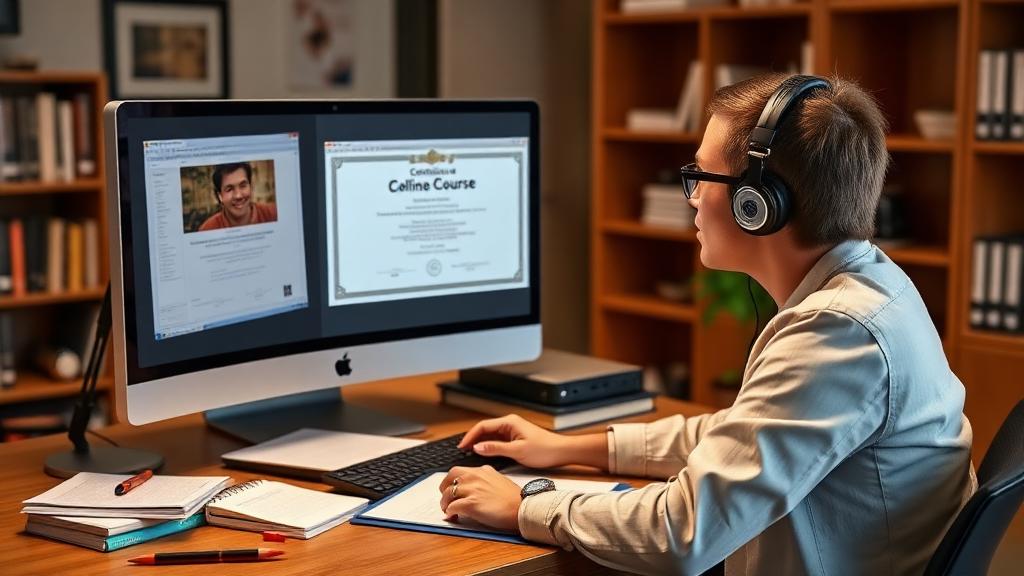
The primary costs are for optional add-ons. These include official graded certificates, personalized feedback, or access to exclusive community features. For example, Coursera’s audit mode is free, but a verified certificate requires payment. HubSpot Academy is a notable exception, as it provides official certificates for free.
Average Cost: $0 for core knowledge. Paid tiers for certificates typically start around $39-$99.
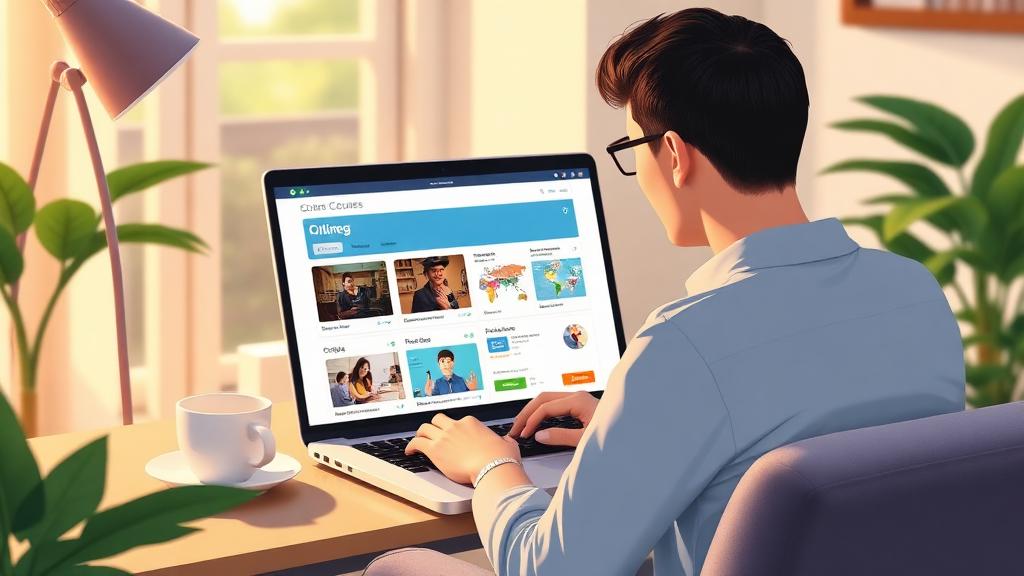
Some platforms, like LinkedIn Learning, are usually paid services but can be accessed for free through a public library partnership. All you need is a library card and PIN.
In this context, "DIY" means learning on your own using free resources. "Pro Service" would be paying for a formal degree, bootcamp, or private tutor.
DIY learning is usually safe and effective if you have the discipline to follow a structured curriculum and use community support when stuck. The tools (browsers, code editors) are free, and the information is comprehensive.
Consider a paid "pro" service only if you require a formally recognized degree for licensure (e.g., to become a licensed engineer or lawyer), or if you need the rigid structure, deadlines, and direct mentorship that a paid program provides. A free course provides the same knowledge but requires more self-motivation.
Your first point of contact should always be the official learning platform's website. For general learning path questions, community forums on the platforms themselves or sites like Reddit (r/learning) are invaluable.
If you encounter technical issues with a course or platform, use the official support or help desk linked on their website. For accessing LinkedIn Learning for free, contact your local public library to obtain a library card and learn their login process.
The key contacts are the official websites for each learning platform. The source does not provide specific phone numbers for support.
- Khan Academy: khanacademy.org
- Coursera: coursera.org
- edX: edx.org
- freeCodeCamp: freecodecamp.org
- HubSpot Academy: academy.hubspot.com
- YouTube Learning: Accessed via the YouTube website or app.
- Alison: alison.com
- LinkedIn Learning: Access via your public library's portal.
- Google Skillshop: skillshop.withgoogle.com
- OpenLearning: openlearning.com
For community support, use:
- Stack Overflow (for coding questions)
- Reddit (r/learning and topic-specific subreddits)
Warranty and refund claims are not applicable to free educational content. Your "proof of completion" is your own knowledge and the portfolio of work you build.
If you have paid for a certificate or premium feature and need a refund, you must contact the customer support of that specific platform (e.g., Coursera Support, edX Support) directly. The process will be outlined in their terms of service.
State-Specific or Local Checks
There are no state or local agency checks required for consuming free online education. However, if you are using a skill learned online to start a business or offer professional services, you must check with your state licensing board or local building department for any required permits, licenses, or insurance.
Since the focus is on free learning, these questions apply if you consider upgrading to a paid certificate or course.
- What does this paid certificate provide that the free knowledge does not?
- Is this certificate widely recognized by employers in my target industry?
- Can I see examples of student work or success stories from this specific paid program?
- What is the refund policy if I am not satisfied?
Be cautious of any platform or course that exhibits these warning signs.
- Outdated Content: In fast-moving fields like AI or digital marketing, content older than six months may be obsolete. A social media strategy course from 2022 is not practical for 2026.
- Overwhelming Jargon Early: A beginner-friendly site should start with simple concepts, not overwhelm you with technical language in the first five minutes.
- No Hands-On Application: Avoid platforms that are purely video-based. Look for those with coding environments, interactive quizzes, or peer-reviewed projects.
- Hidden Costs: A platform that is not transparent about its free tier or aggressively pushes subscriptions before you can access content.
Do Not Ignore: Platforms that lack a supportive community forum or discussion board. Getting unstuck is a critical part of learning.
Practical Step-by-Step Guidance
Follow these steps to start learning a new skill effectively today.
- Define Your "Why": Be specific. Instead of "learn coding," choose "learn Python to automate my monthly expense reports."
- Choose Your Platform: Use this guide to match your goal with a platform (e.g., freeCodeCamp for coding, HubSpot Academy for marketing).
- Access the Free Tier: On Coursera/edX, find and click the small 'Audit' link. For libraries, get your card and PIN ready.
- Schedule Consistent Time: Block 30-60 minutes daily in your calendar. Consistency beats marathon sessions.
- Engage with the Community: When stuck, post in the course forum or on related Reddit/Stack Overflow threads.
- Build as You Learn: After each module, create a small project. If learning design, make a mock logo. This builds your portfolio.
Frequently Asked Questions
Are free online certificates worth anything to employers? The knowledge is most important, but certificates show initiative and a growth mindset. Ultimately, demonstrating your skills through a portfolio or technical interview is what lands the job.
Can I really learn to code for free? Yes. Many top software engineers are self-taught using freeCodeCamp and YouTube. The necessary tools (editors, frameworks) are free, and the information is available if you follow a disciplined curriculum.
How much time should I dedicate to online learning? Consistency is key. Spending 30 to 60 minutes daily is far more effective for retention than one long weekly session. Small, daily habits use "spaced repetition" to help your brain store information.
What if I get stuck on a difficult concept? Use community forums like Stack Overflow or the platform's discussion boards. You can also use AI tools like ChatGPT to explain complex topics in simple terms.
Do I need a high-end computer for these platforms? No. Most platforms run in your web browser. If your computer can play a video and run Chrome or Firefox, it's sufficient. You only need better hardware for intensive tasks like video editing, and that's after the initial learning phase.
Is it better to learn one skill at a time or several? Mastery requires focus. Pick one 'primary' skill and perhaps one 'hobby' skill to prevent burnout. Learning multiple complex topics at once often leads to quitting.
This article is based on the provided editorial source material detailing the free learning landscape of 2026. All platform names, features, and access methods (like Audit Mode) are drawn from that source.
Readers should note that URLs, platform features, and library access methods can change. Always verify:
- The current free offerings on any platform's official website.
- Your local public library's specific process for accessing LinkedIn Learning or other digital resources.
- The recognition of any free certificate within your specific industry before relying on it for career advancement.
The landscape of education has permanently shifted. In 2026, the main barrier to learning is your own time and discipline. You can build expertise without a formal degree by using the structured, free resources available online.
Start small. Pick one platform from this list and commit to just one lesson today. Your future self will thank you for the investment.
Call a Pro If: You require a state-licensed profession. Otherwise, the tools for self-education are in your hands.

About the TDL Expert Panel
TDL Expert Panel · TheDigitalLife Editorial Team
TDL Expert Panel is the editorial team behind TheDigitalLife. The team researches, reviews, and creates practical guides to help everyday readers make better decisions about home repair costs, refunds, AI tools, digital safety, productivity, and useful online resources. Each guide is written to be clear, useful, and easy to understand.